
In facial aesthetic consultations, one of the most common questions I receive is whether temple augmentation can become visible. This concern is entirely valid, as the temple area has relatively thin soft tissue and plays a crucial role in overall facial harmony. In reality, material visibility can occur, but it is not inevitable when the procedure is properly indicated and performed according to medical standards.
What Is Temple Augmentation and What Does “Visible Material” Mean?
Temple augmentation is a procedure used to restore volume to sunken temples using materials such as autologous fat, dermal fillers, or synthetic implants, helping the face appear fuller and more youthful. The term “visibility” in temple augmentation refers to situations where the material becomes noticeable through the skin, feels palpable or irregular, appears unnatural, or in severe cases, becomes exposed with accompanying inflammation or pain.
Not all temple augmentation procedures carry a risk of material visibility. This largely depends on the type of material used, the surgical technique, and the individual’s temple tissue characteristics.
Will Temple Augmentation Be Visible? Risk Based on Material Type
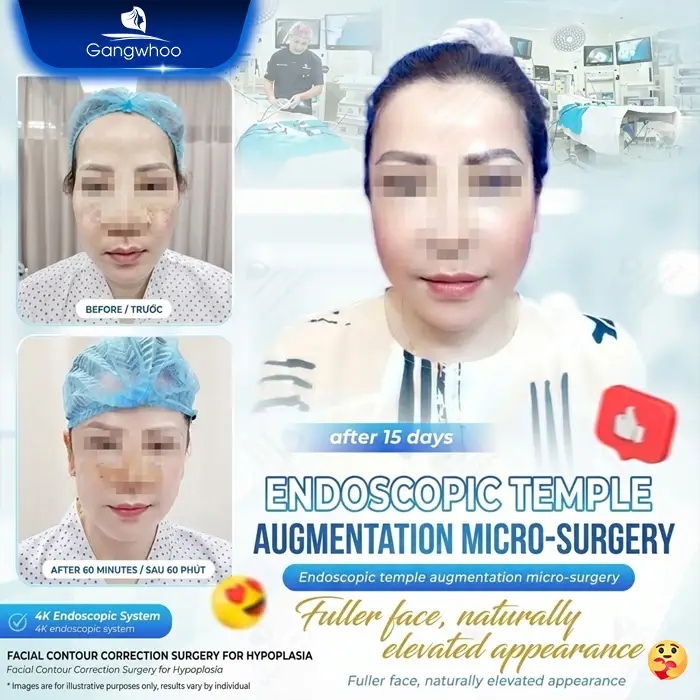
With synthetic cartilage or implant-based temple augmentation, visibility may occur if the overlying tissue is thin, the implant is placed in the wrong anatomical layer, or fixation is inadequate. In cases of infection or capsular contracture, the implant may gradually shift and become more apparent.
For autologous fat temple augmentation, the concept of “visible material” rarely applies, as fat is the patient’s own tissue. However, uneven fat resorption may lead to asymmetry between the temples, creating an unnatural appearance that can be mistaken for visibility.
Meanwhile, temple filler injections do not involve solid implants, but if injected too superficially or in an incorrect layer, fillers may form palpable lumps that are visible beneath the skin—especially in individuals with thin skin.
Causes of Visible Temple Augmentation
Clinically, visible augmentation rarely results from a single cause. The most common factors include incorrect anatomical placement of materials or inappropriate material selection for the patient’s temple tissue structure. Post-procedure infection is a serious cause, as inflammatory reactions can damage the covering tissue, leading to exposure or necessitating material removal.
Additionally, thin soft tissue, post-operative trauma, capsular contracture around synthetic implants, or improper aftercare can all increase the risk of visible temple augmentation.
Warning Signs and When to See a Doctor Immediately
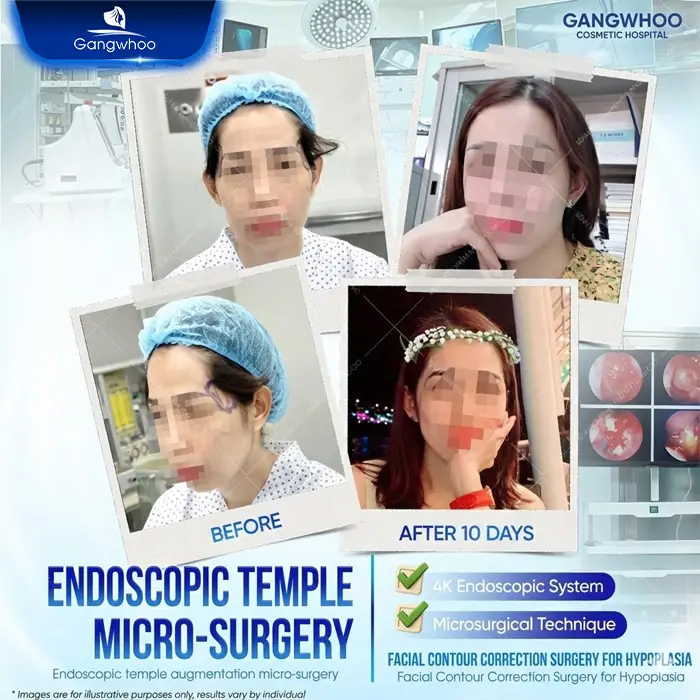
After temple augmentation, patients should seek prompt medical evaluation if any of the following signs occur:
- Unnatural appearance of the temples, asymmetry, or changes compared to the initial result
- Clearly palpable material, hardness, or visible contour under the skin
- Persistent redness or swelling that does not improve after several days
- Increasing pain, especially with tenderness or localized warmth
- Abnormal discharge from the treated area, whether clear or cloudy
- Pus or foul odor, suggesting infection
- Fever or fatigue, indicating systemic involvement
If one or more of these symptoms appear, patients should visit a specialized medical facility as soon as possible for accurate assessment and timely management. Delaying evaluation may allow tissue damage to progress, increasing complication risk and affecting long-term aesthetic outcomes.
Medical Management Options for Visible Temple Augmentation
From a modern plastic surgery perspective, visible temple augmentation is considered a complication that must be evaluated and managed based on severity—never through subjective or purely aesthetic-driven decisions. The widely accepted principle is: prioritize tissue safety, control infection, stabilize anatomy, and only then consider aesthetic reconstruction.
1. Clinical Evaluation and Severity Classification
The first step is a comprehensive clinical examination to assess the degree of visibility, tissue coverage, and signs of infection. Clinicians must distinguish between mild prominence (palpable or visible contour without skin breakdown) and true exposure (visible material or tissue damage with discharge). Proper classification determines the appropriate treatment strategy.
2. Observation and Medical Treatment for Mild Inflammation
In mild cases without clear infection and with stable soft tissue coverage, conservative management may be indicated. This includes close monitoring, anti-inflammatory medications, antibiotics when necessary, and strict aftercare instructions. Early surgical intervention is discouraged during active inflammation, as it may worsen tissue damage and increase complication risk.
3. Material Removal in Clear Exposure or Infection
When temple augmentation becomes clearly visible, especially with infection, pain, swelling, discharge, or tissue necrosis, complete removal of the augmentation material is mandatory. This recommendation is consistent across international plastic surgery guidelines, as retaining foreign material in an infected environment can lead to extensive tissue damage, poor scarring, and long-term complications.
After removal, the temple area must be thoroughly cleaned, inflamed tissue treated, and infection fully controlled before considering any further aesthetic intervention.
4. Recovery and Tissue Stabilization Phase
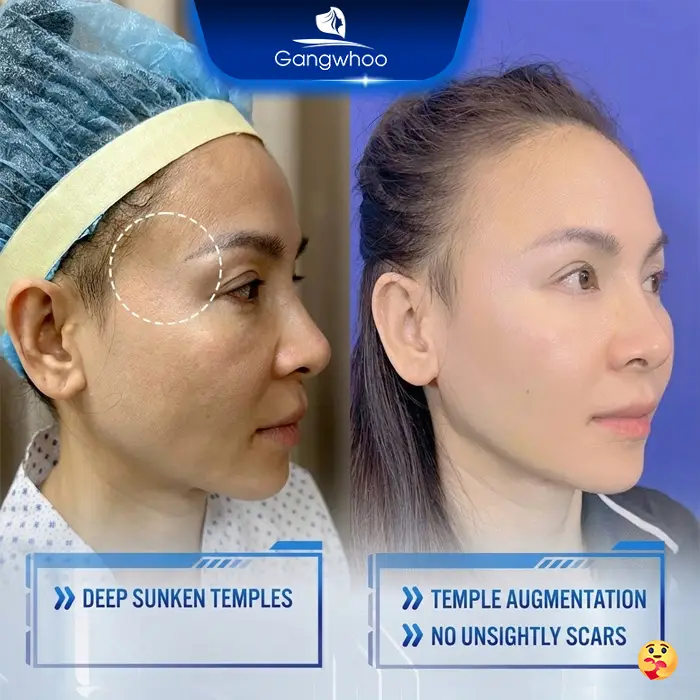
Following acute management, the temple tissues require time to fully heal—ranging from several weeks to months, depending on prior damage. Medical guidelines emphasize that premature re-intervention increases the risk of recurrent exposure, so careful monitoring is essential before proceeding further.
5. Secondary Reconstruction After Tissue Stabilization
Once tissues have stabilized, surgeons reassess the temple structure to determine the most suitable reconstructive approach. In many cases, autologous fat grafting is preferred due to its high biocompatibility and ability to improve tissue quality. When synthetic materials are necessary, placement and fixation techniques are adjusted to minimize recurrence risk.
The ultimate goal is not merely to conceal materials but to restore harmonious anatomy, ensure safety, and maintain long-term aesthetic results.
6. Core Principles in Managing Visible Temple Augmentation
Reputable medical organizations agree that managing temple augmentation complications should be performed by qualified plastic surgeons at accredited medical facilities, following clear protocols and long-term follow-up. Correct timing and appropriate methods are key determinants of both safety and aesthetic preservation.
How Can Visibility Be Prevented in Temple Augmentation?
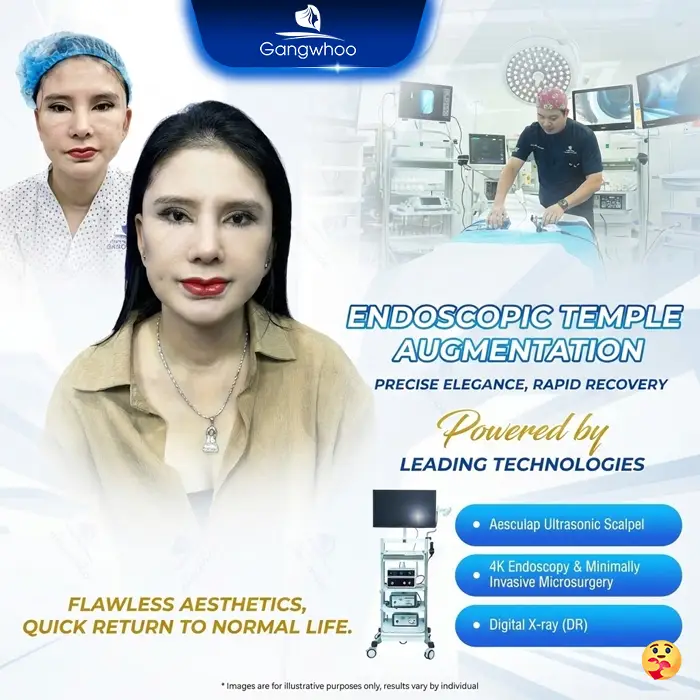
To minimize the risk of visible temple augmentation, the most critical factor is undergoing consultation and treatment at a reputable medical facility with surgeons experienced in temple anatomy. Appropriate material selection, correct anatomical placement, strict sterility control, and adherence to post-operative care instructions are decisive in preventing complications.
Why Does Temple Augmentation at Gangwhoo Aesthetic Hospital Minimize Visibility Risk?
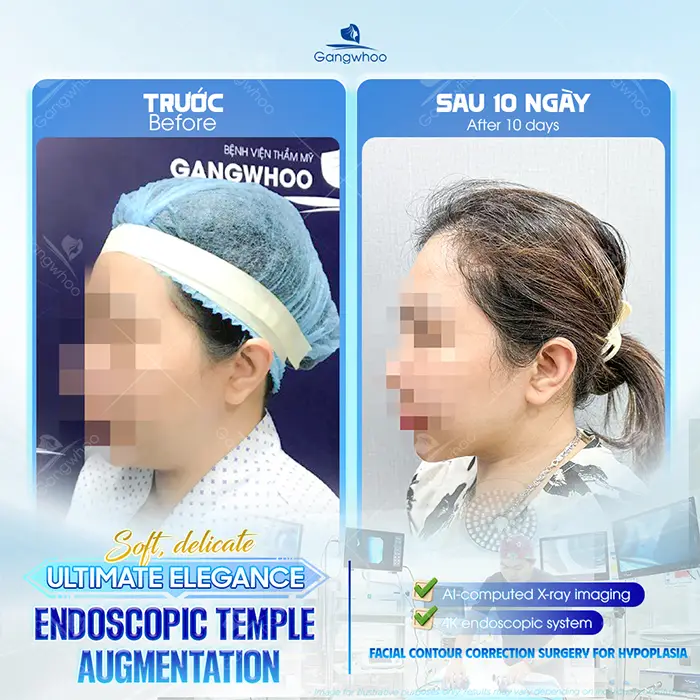
In temple plastic surgery, the risk of material visibility does not depend on a single factor but on the entire process—from consultation and method selection to surgical technique and post-operative monitoring. At Gangwhoo Aesthetic Hospital, achieving safe, non-visible temple augmentation is ensured through strict medical standards that prioritize safety and long-term effectiveness.
Specialist surgeons conduct thorough examinations, assessing bone structure, soft tissue thickness, skin condition, and the degree of temple hollowing. Based on individualized anatomical analysis, the most suitable augmentation material is selected, avoiding incorrect material choice or excessive volume—common causes of later visibility.
Gangwhoo also applies advanced supportive technologies in both planning and execution. Imaging and facial structure analysis tools help determine precise placement, ensuring materials are positioned in anatomically appropriate layers with sufficient coverage and support—especially important in patients with thin soft tissue or when implants are used.
Technically, temple augmentation is performed in a hospital-standard sterile environment with rigorous infection control protocols. Materials are placed in the correct layer, securely fixed, and handled delicately to reduce pressure on overlying tissues, supporting long-term stability.
Post-procedure, patients receive close follow-up care from dedicated medical teams. Timely check-ups, inflammation control, and detailed aftercare guidance allow proper healing and significantly reduce the risk of late complications such as visibility or displacement.
From a professional standpoint, safe, natural, and non-visible temple augmentation results from the coordinated combination of experienced surgeons, advanced technology, and standardized medical protocols. This foundation has made Gangwhoo Aesthetic Hospital a trusted destination for both primary temple augmentation and the correction of previous complications.
Whether temple augmentation becomes visible depends greatly on proper consultation, material selection, surgical technique, and post-operative care in accordance with medical standards. Choosing Gangwhoo Aesthetic Hospital—with its experienced specialists, advanced technology, and comprehensive safety protocols—plays a vital role in achieving natural, harmonious, and long-lasting temple augmentation results.