
Post-operative care after abdominoplasty plays a crucial role in maintaining long-term aesthetic results. Although a tummy tuck is an effective reconstructive procedure for individuals after childbirth or significant weight loss, the final outcome depends heavily on whether the patient understands and follows a proper post-operative care regimen.
In this article, I will provide a comprehensive, medically based recovery guide—drawn from clinical experience, safety standards, and international guidelines—to help you heal correctly, minimize risks, and achieve the best possible cosmetic results.
Why is post-abdominoplasty care so important?
A tummy tuck directly affects the skin, subcutaneous tissue, and sometimes the muscle fascia. These structures require adequate time to heal, adhere, and stabilize. With proper care, recovery is significantly faster: swelling subsides sooner, the scar becomes flatter and lighter, the umbilicus forms naturally, and the abdominal contour stabilizes with minimal risk of seroma.
Conversely, improper or inconsistent post-operative care greatly increases the likelihood of complications such as infection, seroma, wound dehiscence, hypertrophic scarring, hyperpigmented scars, umbilical distortion, or even tissue necrosis. Most of these issues can be prevented when patients follow medical guidelines carefully.
Recovery timeline and what patients should prepare for
1. The first 24–72 hours after surgery
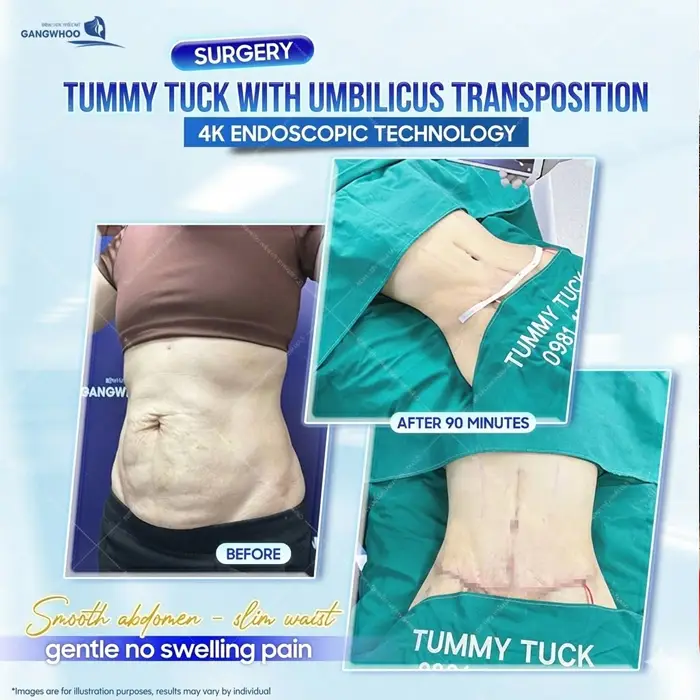
During the early stage, most patients feel tightness and heaviness in the abdomen, especially when attempting to stand upright. This is completely normal. You should maintain a slightly bent posture while walking to reduce tension on the incision.
I always require patients to wear a compression garment immediately in the recovery room, as it helps reduce swelling, minimize seroma formation, protect the incision, and promote proper tissue adhesion.
Light movement during this period—such as ankle rotations, leg flexion/extension, and slow walking—is essential to reduce the risk of deep vein thrombosis. Pain is expected but will be managed with prescribed medication.
2. Weeks 1–2: strict incision care
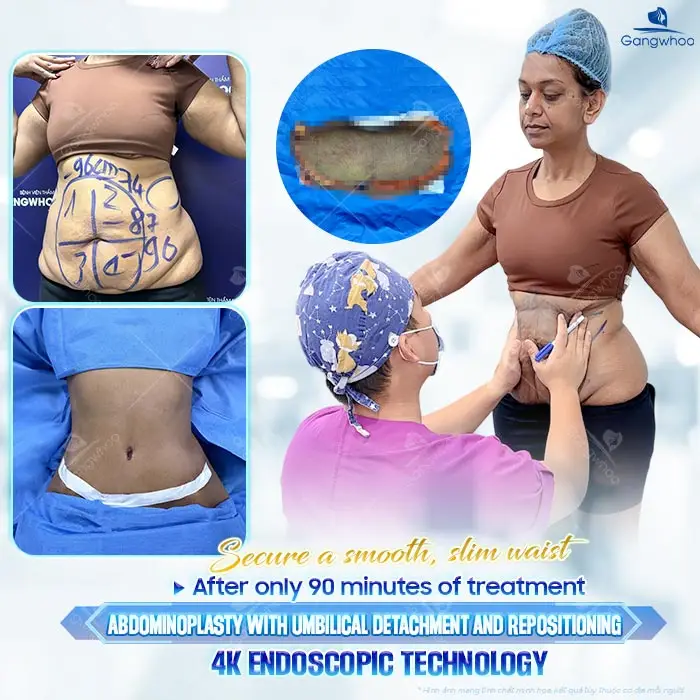
This is the phase where patients must strictly adhere to all post-operative instructions. The incision must remain clean and dry. Do not remove the dressing unless approved by your surgeon. Cleaning should be gentle; avoid scrubbing or letting water flow directly onto the incision.
If a drain tube is placed, monitor the amount of fluid daily. Clear or slightly pink drainage is normal. Cloudy, yellow, green, or foul-smelling fluid requires immediate medical attention. The drain will be removed once the output decreases to a safe level.
This is also when swelling and bruising peak. Consistent use of the compression garment—nearly 24 hours a day—is key to controlling edema and shaping the abdomen.
3. Weeks 3–6: progressive stabilization
By week three, most patients feel significantly more comfortable. You can begin standing more upright and moving more freely, with noticeably reduced pain. However, internal tissues are still healing, so wearing the compression garment remains necessary.
Once the incision is dry and swelling has decreased, you may begin taking quick showers. Returning to office work is usually possible after 2–3 weeks, depending on your comfort. Physically demanding jobs should be postponed for at least 6 weeks.
4. After 6 weeks–3 months: scar care and full recovery
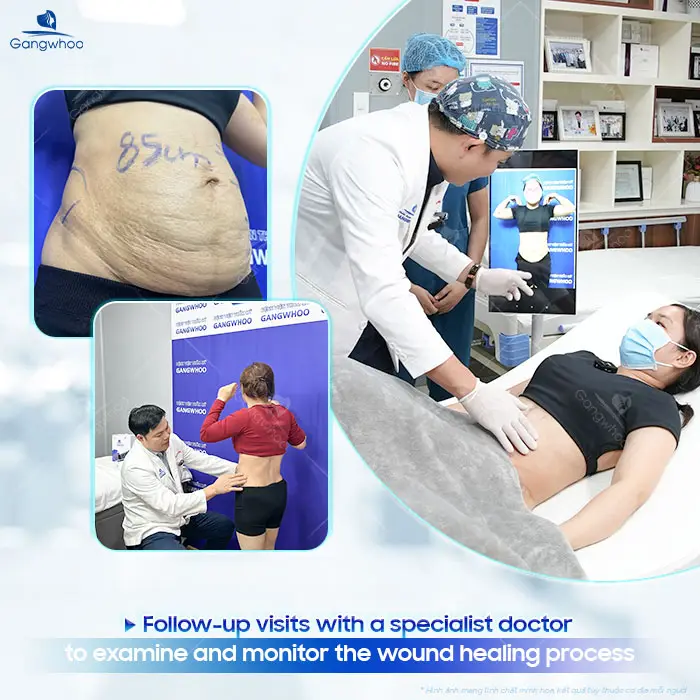
This is when I begin structured scar-management protocols. The tummy tuck incision will gradually transition from red or pink to softer and lighter tones. Silicone sheets or gels can significantly improve scar appearance when used properly. Gentle scar massage also helps flatten and soften the tissue.
Vigorous exercise, abdominal workouts, or heavy lifting should only resume after the surgeon confirms that healing is sufficient—typically between 8–12 weeks.
Detailed Post-Abdominoplasty Care Instructions from a Medical Professional
1. Incision care

Keep the incision completely clean and dry during the first days. Wash your hands before changing the dressing, remove the tape gently, and observe any drainage. Only use disinfectant solutions prescribed by your doctor; avoid strong alcohol, homemade saline, or folk remedies as they may damage healing tissue.
Do not pick at scabs, even if they itch. This is normal and indicates healing. Picking prematurely can worsen scarring. When showering, let water flow gently around the abdomen—never directly onto the incision.
2. Drain management
Drain tubes prevent seroma formation, one of the most common complications. Keep the tube secure and avoid tugging or twisting. Sudden color changes or unexpected increases in drainage volume may indicate infection or seroma and require immediate medical attention.
The surgeon will determine the appropriate time to remove the drain based on specific fluid measurements—never request early removal.
3. Wearing the compression garment
I emphasize to every patient that the compression garment accounts for up to 50% of successful post-operative outcomes. It helps tissues adhere properly, reduces swelling, minimizes seroma risk, and contours the waistline.
Wear the garment continuously in the early stages, removing it only for showering. Most patients need to wear it for at least 4–6 weeks; some require longer. The garment should fit snugly but not cause shortness of breath or numbness.
4. Medication and pain control
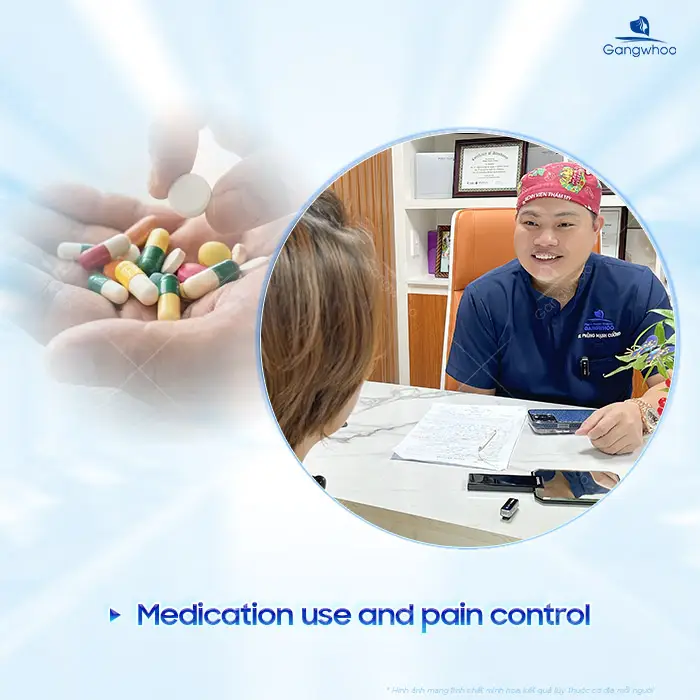
You will be prescribed pain medication, anti-inflammatory drugs, and antibiotics if necessary. Take them exactly as instructed. Do not stop early even if symptoms decrease. Avoid taking additional medications—especially NSAIDs—without consulting your surgeon, as they may increase bleeding risk.
5. Diet and lifestyle

Diet greatly affects recovery speed. During the first week, choose soft, easily digestible foods, and increase vegetables, fruits, and water intake to prevent constipation. Straining during bowel movements increases abdominal pressure and affects the incision.
Avoid alcohol, cigarettes, and stimulants. Nicotine is a major cause of delayed healing and tissue edge necrosis in cosmetic surgery.
6. Activity and posture
In the first day, standing straight will feel difficult, so maintain a slightly bent posture. When lying down, elevate your head and place pillows under your knees to reduce tension on the incision.
You may walk slowly around the house but avoid running, climbing stairs frequently, or lifting anything heavier than 2–3 kg for the first 4–6 weeks. Abdominal workouts, running, jumping, or deep bending should only resume once medically approved.
Warning signs requiring immediate medical attention
Seek medical care immediately if you notice:
- Increasing redness, heat, pain, or yellow-green discharge with foul odor
- Localized bulging, tightness, or unusual swelling (possible seroma)
- Fever above 38°C
- Shortness of breath, chest pain, or calf pain
Final thoughts
Post-abdominoplasty care requires patience and strict adherence. Most complications can be prevented with proper care from the beginning. Always listen to your body, stay in close contact with your surgeon, and never attempt self-treatment for unusual symptoms.
Optimal results are achieved through a combination of precise surgical technique and patient cooperation during recovery. At Gangwhoo Aesthetic Hospital, we implement medically standardized post-operative protocols and closely monitor each stage of the healing process to ensure long-term aesthetic success.
If you are seeking a reputable place for structured, safe, and personalized post-abdominoplasty care, Gangwhoo is always ready to accompany you.