
After undergoing cosmetic surgery—especially facial procedures—post-treatment care plays a crucial role in determining long-term aesthetic results. Proper aftercare following temple augmentation not only helps reduce swelling and shorten recovery time, but also contributes to preventing complications and maintaining a stable temple contour over time.
With extensive professional experience in aesthetic surgery, the medical team at Gangwhoo Aesthetic Hospital shares essential medical recommendations to help patients feel confident and achieve optimal aesthetic outcomes after temple augmentation.
Why Is Proper Aftercare Important After Temple Augmentation?
The temple area has a complex anatomical structure, with thin skin and a high concentration of blood vessels and nerves. After temple augmentation—whether using implants, autologous fat, or fillers—the soft tissues require time to adapt and stabilize.
Improper aftercare may lead to prolonged swelling, hematoma, infection, or even deformation of the augmented temple area. In contrast, following correct post-temple augmentation instructions helps reduce edema more quickly, stabilize the temple contour sooner, and maintain long-lasting aesthetic results.
Post-Temple Augmentation Care During the First 7 Days
1. The First 24–48 Hours After Temple Augmentation
The first 48 hours are extremely important for recovery. After temple augmentation, patients should prioritize rest, limit physical activity, and avoid any direct pressure or impact on the temple area.

The recommended sleeping position is on your back with your head elevated above heart level. This helps reduce blood pressure in the surgical area and minimizes swelling. During this period, gentle cold compresses around the temple area—as instructed by your doctor—may help reduce swelling and tightness. Do not apply ice directly to open incisions (if any), and do not massage or touch the area without medical approval.
2. From Day 3 to Day 7 After Temple Augmentation
From the third day onward, swelling and bruising typically begin to subside. This is a normal physiological response. Patients may resume light daily activities but should still avoid prolonged bending, direct impacts, and sleeping on their side with pressure on the temples.

The surgical area should be cleaned gently according to medical instructions. If there is an incision, keep it clean and dry, and attend follow-up appointments as scheduled so the doctor can assess healing. Proper care during this stage plays a key role in recovery speed and long-term stability of the temple contour.
Post-Temple Augmentation Care by Each Method
Each temple augmentation technique affects soft tissue differently; therefore, aftercare principles vary accordingly. Understanding and following method-specific aftercare instructions ensures safe recovery and long-term aesthetic stability.
1. Aftercare Following Temple Augmentation with Implants
Temple augmentation using implants is a more invasive procedure involving tissue dissection and placement of synthetic materials. As a result, recovery time is usually longer than with minimally invasive techniques. During the early postoperative period, patients must strictly avoid impacts or strong pressure that could cause implant displacement or hematoma formation.
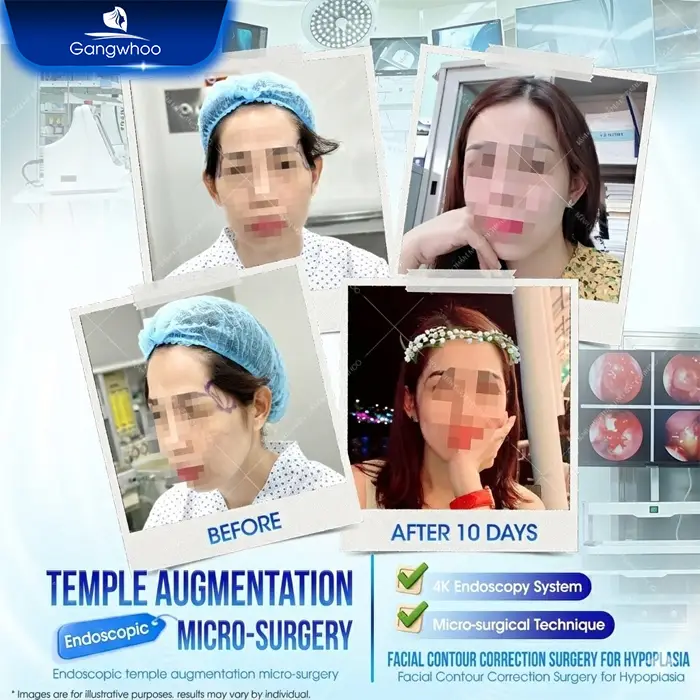
In some cases, doctors may apply light compression bandaging to stabilize the implant and reduce swelling. Bandages should be worn exactly as instructed and should not be removed without medical approval. Patients should sleep on their back with the head elevated and avoid side sleeping for at least 2–3 weeks to allow proper implant stabilization.
Regular follow-up visits are especially important for implant-based temple augmentation. During these visits, the doctor evaluates implant position, healing progress, and detects any early signs of abnormality.
2. Aftercare Following Temple Augmentation with Autologous Fat
Autologous fat grafting uses the patient’s own fat tissue, offering high biocompatibility. However, transplanted fat requires time to establish blood supply and survive in the recipient area. Partial fat resorption during the first few weeks is a normal physiological response and is anticipated during the procedure.
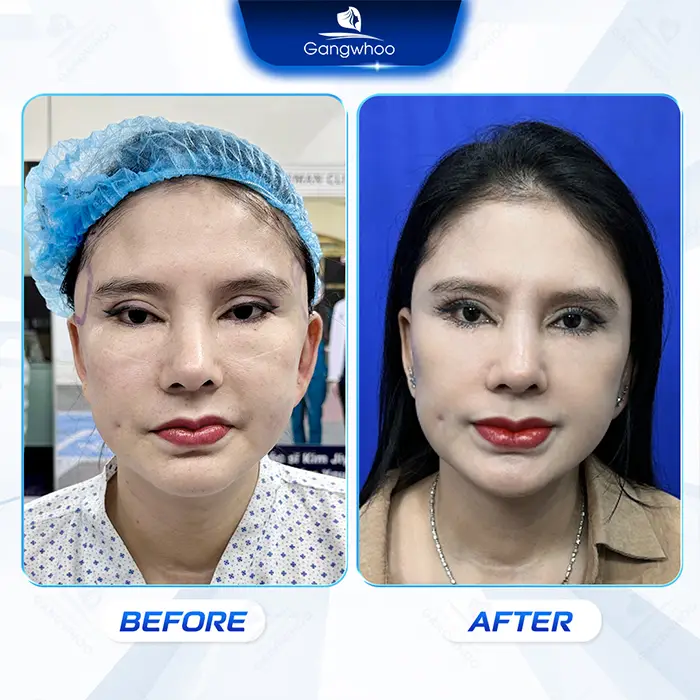
In addition to caring for the temple area, patients must also pay attention to the fat donor site (commonly the abdomen or thighs). This area should be kept clean and dry, and strenuous activity should be avoided to prevent fluid accumulation or prolonged bruising. Massage, pressure, or heat exposure to the temple area should be avoided, as these factors can affect fat survival.
Maintaining a healthy diet, adequate rest, and avoiding alcohol and smoking during the early recovery phase helps improve fat survival rates and ensures more stable, natural results for temple augmentation using autologous fat.
3. Aftercare Following Temple Augmentation with Fillers
Filler-based temple augmentation is the least invasive method and typically has a shorter recovery period. However, strict aftercare is still required during the first 24–48 hours to allow the filler to settle properly.

Patients should avoid massaging, touching, or applying pressure to the temple area, as this may cause filler migration. Heat exposure such as saunas, hot baths, or intense sun exposure should also be avoided, as high temperatures can affect filler integrity.
Alcohol and stimulants should be avoided for several days after injection to prevent vasodilation and prolonged swelling. Although recovery is relatively fast, follow-up visits are still recommended to ensure filler stability and long-term safety.
Daily Activities and Diet After Temple Augmentation

Postoperative lifestyle and nutrition play a supportive role in recovery. Patients should stay well hydrated and consume foods rich in protein, vitamin C, and minerals to promote tissue regeneration.
Alcohol and smoking should be avoided, as they cause vasodilation, prolong swelling, and interfere with wound healing. High-intensity exercise, inverted yoga poses, saunas, and hot baths should be avoided for at least 2–3 weeks after temple augmentation.
Makeup on the forehead and temple area should only be applied once the wound has fully healed and with the doctor’s approval to minimize infection risk.
Foods to Avoid After Temple Augmentation to Prevent Complications
Diet directly affects wound healing and the stability of the augmented temple area. Clinically, prolonged swelling or delayed healing is often associated with non-compliance with postoperative dietary restrictions.
Patients should avoid foods that may cause inflammation or tissue irritation. Spicy, heavily seasoned, or stimulant-containing foods can increase inflammatory responses, leading to prolonged swelling and tightness—especially during the first 7–10 days.

Foods associated with hypertrophic scarring or skin darkening should also be limited. Items such as beef, seafood, and sticky rice may stimulate fibrous tissue overgrowth in sensitive individuals, potentially affecting healing and aesthetic outcomes.

Alcoholic beverages should be strictly avoided, as alcohol causes vasodilation, prolongs swelling and bruising, reduces antibiotic effectiveness, and increases the risk of infection or secondary bleeding.

High-sodium foods are not recommended during recovery, as they can cause fluid retention and prolong edema, delaying stabilization of the temple contour.
From a medical perspective, patients should follow a light, easily digestible diet and avoid inflammatory triggers for at least 2–3 weeks. Once healing is confirmed by the doctor, normal dietary habits may gradually resume.
Strict adherence to dietary guidelines not only accelerates swelling reduction but also plays an important role in preventing complications and maintaining long-term aesthetic results.
Medication Use and Follow-Up After Temple Augmentation
Proper medication use after temple augmentation is essential for preventing infection, controlling pain, reducing swelling, and supporting wound healing. Depending on the technique used and individual patient factors, doctors will prescribe appropriate medications.
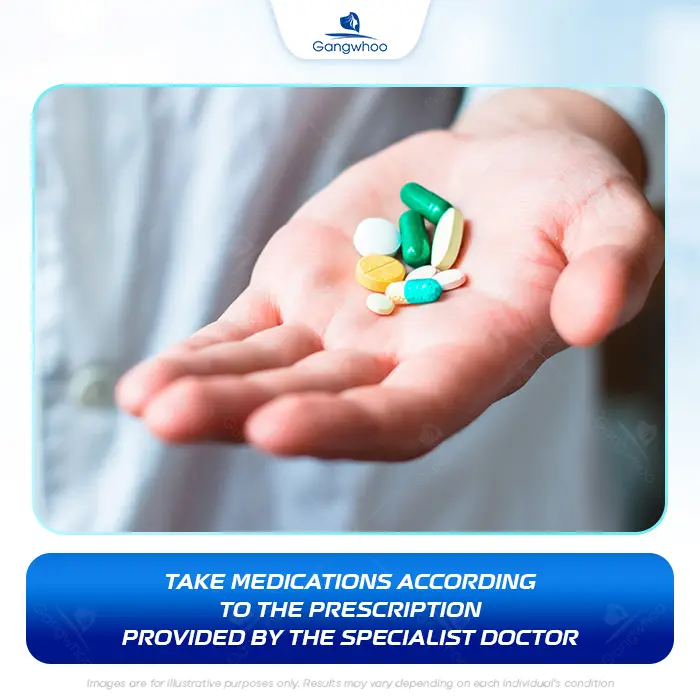
Antibiotics are commonly prescribed to prevent postoperative infection. These may include Amoxicillin–Clavulanic Acid, Cephalexin, or Cefuroxime, typically for 5–7 days. For patients with penicillin allergies, alternatives such as Clindamycin may be used. Antibiotic choice and dosage are always individualized.
Pain relievers such as Paracetamol are usually sufficient. Stronger analgesics or NSAIDs are prescribed only when necessary and under medical supervision to minimize bleeding risk.
To reduce swelling and bruising, doctors may prescribe anti-edema medications such as Alpha chymotrypsin or Bromelain. Patients must follow dosage instructions precisely and should not adjust or discontinue medications without medical approval.
An important rule in post-temple augmentation care is to avoid taking additional medications outside the prescribed regimen, especially anti-inflammatory drugs, herbal medicines, or supplements that have not been approved by the treating physician.
Alongside medication use, attending scheduled follow-up appointments is mandatory. The first follow-up usually occurs 5–7 days after the procedure to assess healing, swelling, and detect early abnormalities. Additional follow-ups may be scheduled after one month or later, depending on recovery progress.
During each follow-up, the doctor evaluates temple contour stability, soft tissue response, and provides necessary adjustments to care instructions. This ensures medical safety and helps maintain natural, long-lasting aesthetic results.
Warning Signs Requiring Immediate Medical Attention
During recovery, patients should contact their doctor immediately if they experience increasing pain or swelling, fever above 38°C, abnormal discharge, skin discoloration in the temple area, or persistent numbness.
Early detection and timely treatment of abnormal signs help prevent serious complications and protect the results of temple augmentation.
In summary, following proper post-temple augmentation care instructions is essential for safe recovery, minimal discomfort, and long-lasting aesthetic outcomes. Each temple augmentation method requires specific aftercare considerations, making professional medical guidance crucial.
If you are seeking a safe facility for both the procedure and post-operative care, Gangwhoo Aesthetic Hospital, with its experienced medical team and hospital-standard treatment protocols, will accompany you throughout your recovery journey to deliver harmonious, natural results.