
During consultations, I encounter many clients wondering whether hymenoplasty is dangerous, and whether the procedure affects reproductive health or leaves long-term complications. This is one of the most common questions, since most women research the topic online before deciding whether to proceed.
In reality, hymenoplasty is a relatively minor intimate-area minor surgery, but like any surgical procedure, its safety depends not only on the technique used but also on the patient’s health condition, the surgeon’s expertise, sterile procedures, and post-procedure care.
From a professional standpoint, I always encourage clients to gather full information before making a decision. What matters isn’t advertising claims like “painless,” “absolutely safe,” or “100% complication-free,” but understanding the real benefits, limitations, and possible risks in order to choose a reputable medical facility.
In this article, I will objectively analyze whether hymenoplasty is dangerous, the factors that determine the procedure’s safety, and important precautions to minimize the risk of complications.
What Is Hymenoplasty?
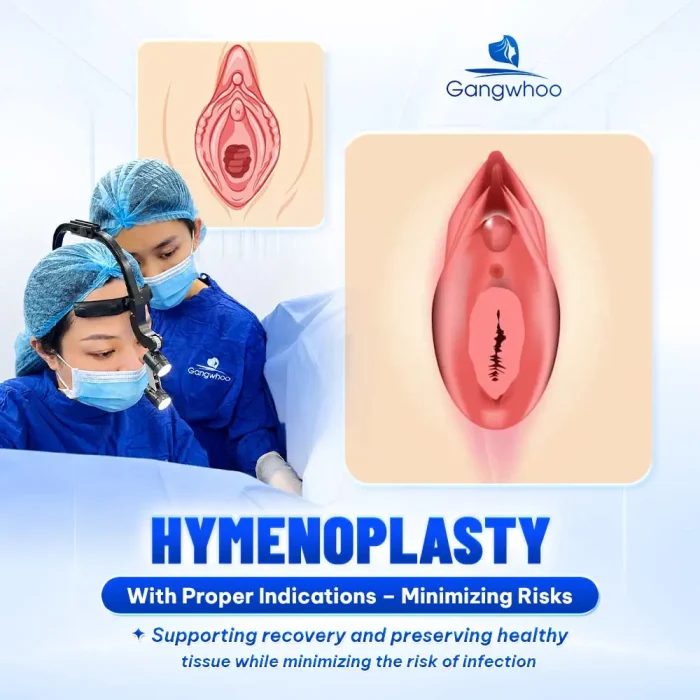
Hymenoplasty (also called hymen restoration) is a surgical procedure that reconstructs a torn hymen using microsurgical suturing techniques. The goal of the procedure is to restore the hymen’s anatomical form, without altering the structure of the vagina, uterus, ovaries, or a woman’s reproductive capacity.
This procedure is now fairly common at medical facilities with cosmetic or gynecological specialties. With advances in microsurgical techniques and specialized sutures, the process is generally gentler than before, reducing tissue trauma and supporting recovery.
It’s important to understand that the hymen has a very thin structure that varies considerably between individuals. Not all women have the same hymen shape — some are born with a very thin hymen or almost none at all. Therefore, assessing the condition of the hymen should be done by a qualified physician rather than based on hearsay.
At Gangwhoo Cosmetic Hospital, before recommending hymenoplasty, clients undergo a clinical examination to assess the condition of the intimate area, rule out gynecological conditions, and receive thorough counseling on the benefits, limitations, and possible risks. This is a crucial step to ensure the procedure is only performed when the patient is medically fit.
How Does the Hymenoplasty Procedure Work?
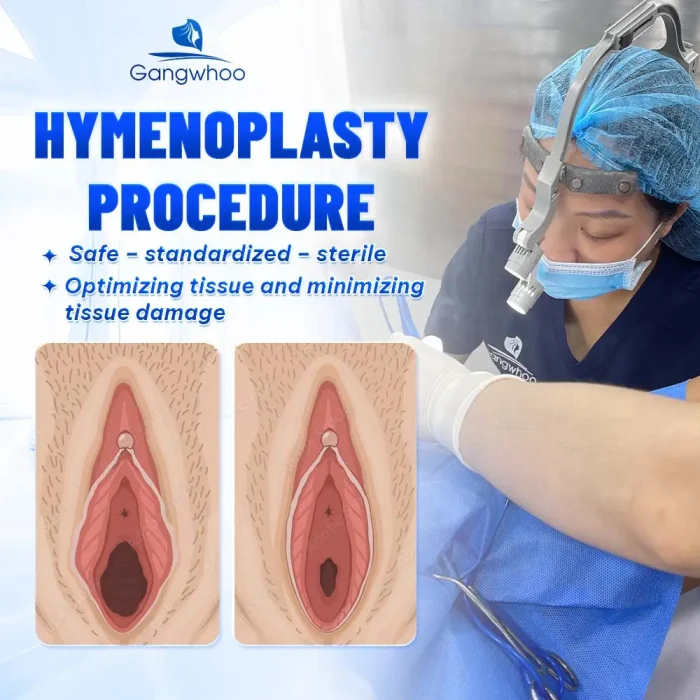
Although it is only a minor procedure, hymenoplasty still requires strict adherence to sterilization protocols to minimize infection risk.
Typically, the patient undergoes a general and gynecological examination to assess the hymen’s condition and detect any inflammatory conditions. If the patient currently has vaginitis, cervicitis, or other gynecological conditions, the doctor will prioritize treating these fully before considering the procedure.
Once the patient is deemed eligible, the surgical area is thoroughly disinfected and local anesthesia is administered to reduce pain during the procedure. The doctor uses microsurgical instruments and specialized sutures to restore the remaining edges of the hymen or reconstruct it appropriately for each individual case.
The entire process usually takes 30 to 60 minutes depending on the extent of the damage. Afterward, the patient is monitored briefly before being discharged if her condition is stable.
Although the procedure itself doesn’t take long, it still requires a doctor experienced in female intimate anatomy and precise technique to minimize tissue damage and achieve good recovery results.
Is Hymenoplasty Dangerous?
This is the question almost every client asks during their first consultation.
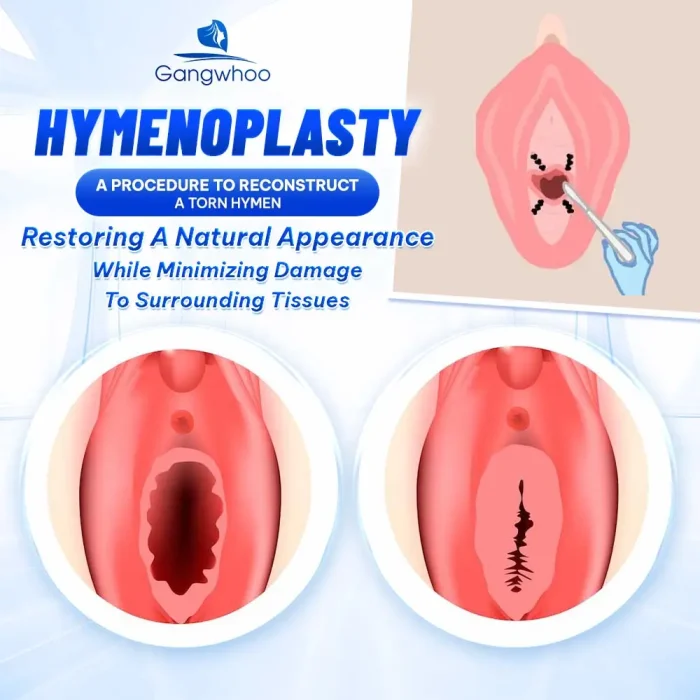
From a professional perspective, the answer is: hymenoplasty is not an especially dangerous procedure when performed according to proper indications, by a qualified physician, under sterile conditions, and with the patient following post-procedure care instructions fully.
Conversely, if performed at facilities lacking proper professional standards or by inadequately trained individuals, the risk of complications increases significantly.
In practice, most of the post-procedure complications I’ve had to treat stemmed from causes such as improper suturing technique, inadequate sterilization, patients undergoing the procedure while having an active gynecological infection, or failure to follow post-procedure care instructions.
Many people assume that simply suturing the area is sufficient. However, the intimate area is a high-moisture environment with its own natural microbiota. If sterilization protocols aren’t strictly followed or aftercare is inadequate, the infection risk is higher than in many other parts of the body.
Besides sterilization, the surgeon’s skill level also plays a decisive role in safety. An experienced doctor knows how to preserve as much healthy tissue as possible, minimize damage to small blood vessels, and select the suturing technique appropriate to each individual’s hymen condition — helping to reduce pain, bleeding, and recovery time.
Another often-overlooked factor is pre-procedure screening. If a patient has an active gynecological infection but proceeds with hymenoplasty anyway, the risk of post-procedure infection increases significantly. This is why examining and stabilizing any gynecological conditions before the procedure is a mandatory requirement in professional practice.
At Gangwhoo Cosmetic Hospital, clients always undergo a health check and receive full counseling on the benefits and potential risks before signing consent to proceed. This ensures every decision is based on full understanding rather than being influenced solely by advertising or anxiety.
It should also be noted that no surgical procedure can ever be guaranteed as absolutely safe or 100% complication-free. It would be more accurate to say that the risk of complications is minimized when the procedure is performed to proper professional standards and the patient cooperates well with aftercare.
So, when asked whether hymenoplasty is dangerous, I usually respond that the real concern isn’t the procedure itself, but rather the choice of facility and the aftercare that follows. These are the two factors that have the greatest impact on the final outcome.
Who Should and Shouldn’t Get Hymenoplasty?
Not everyone who wants the procedure is necessarily a good candidate.
In professional practice, assessing overall health and gynecological condition is always a mandatory step before making a recommendation.
Those in stable health, without any acute gynecological conditions, and who have been thoroughly examined by a doctor may consider the procedure if they have a personal reason to do so.
On the other hand, some cases should delay or avoid hymenoplasty altogether, including:

- Those currently experiencing vaginitis, cervicitis, or other untreated gynecological infections.
- Those currently menstruating, since assessment and the procedure itself become more difficult.
- Those with blood clotting disorders or currently taking anticoagulant medication, who require careful specialist evaluation before deciding.
- Women who are pregnant or suspect they may be pregnant are also not suitable candidates for this procedure.
- Additionally, for those with unrealistic expectations or who feel pressured by others, the doctor should provide thorough counseling before any decision is made.
From a professional standpoint, hymenoplasty is a personal choice that should be made voluntarily and with full information — never as a result of coercion or social pressure.
How to Reduce the Risk of Complications After Hymenoplasty
As someone who directly examines and counsels many clients seeking hymen restoration, I’ve noticed that most people focus only on the final result without paying enough attention to the factors that determine the procedure’s safety.
In fact, the question “is hymenoplasty dangerous” cannot be answered with a simple yes or no. The level of safety depends heavily on whether the person chooses the right facility, the right doctor, and follows aftercare instructions properly.
With good preparation from the start, the risk of complications can be significantly reduced.
1. Choose a Medical Facility With Full Professional Qualifications
This is the most important factor in determining the procedure’s success.
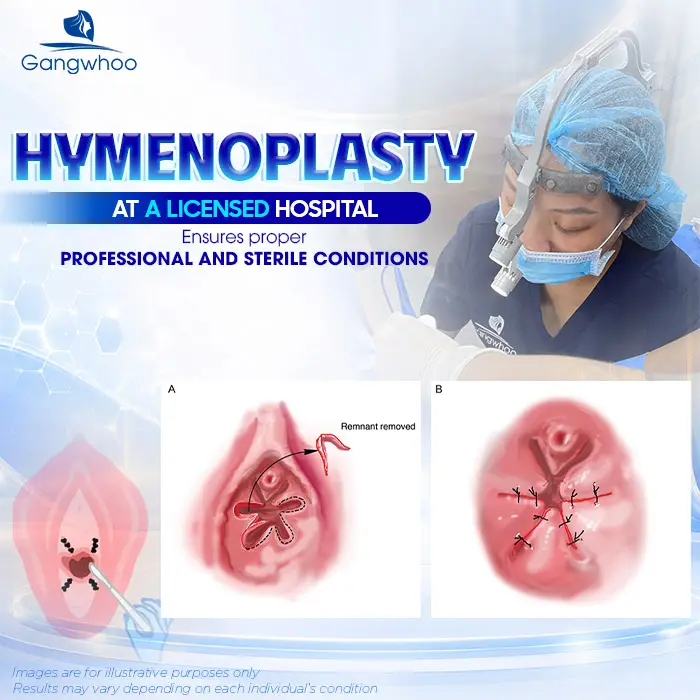
Nowadays, many facilities advertise hymenoplasty at very low prices, with quick turnaround times or guaranteed results. However, patients should understand that this is still a minor surgical procedure involving an intimate area with complex anatomy and strict sterilization requirements.
A reputable medical facility should meet several criteria: a team of professionally trained doctors, a surgical room meeting sterilization standards, adequate equipment, and a clear post-procedure monitoring process.
At Gangwhoo Cosmetic Hospital, every client goes through an examination, health assessment, and counseling process before the procedure. Only those who meet the eligibility criteria are recommended for hymenoplasty. This helps minimize any risks that could arise during or after the procedure.
2. Get a Gynecological Exam Before the Procedure
This is a step many people tend to skip, thinking it’s unnecessary.
In reality, however, untreated vaginitis, cervicitis, or other gynecological conditions increase the risk of post-procedure infection.
Through the examination process, the doctor can detect abnormalities that may not yet show clear symptoms and provide appropriate treatment before proceeding with hymen restoration.
This is also why patients should avoid getting hymenoplasty at facilities that don’t perform pre-procedure screening.
3. Follow Medication Instructions Properly
After the procedure, the doctor may prescribe pain relievers or antibiotics in certain cases to support recovery.
Patients should take the correct dosage for the prescribed duration. Stopping medication early because the pain has eased, or self-medicating with additional over-the-counter drugs, can both affect treatment outcomes.
If any unusual symptoms occur while taking medication, contact the doctor immediately rather than trying to manage it at home.
4. Maintain Proper Intimate Hygiene

After hymenoplasty, the treated area needs to be kept clean, but should not be over-cleaned.
Patients should gently wash with clean water or a cleansing solution as instructed by the doctor, then pat dry with a soft towel before dressing.
Avoid soaking in a bathtub or pool, or using solutions with strong antiseptic properties, as these can disrupt the vaginal environment and affect the healing process.
5. Avoid Strenuous Physical Activity
During the first few weeks, while the tissue is still healing, patients should avoid activities that put pressure on the perineal area.
Activities such as running, high-intensity gym workouts, long-distance cycling, horseback riding, or lifting heavy objects can all increase the risk of the sutures tearing.
Adequate rest helps tissue heal faster and reduces the risk of complications.
6. Abstain From Sexual Intercourse as Directed by the Doctor
This is a very important rule, but also a common reason many patients need to repeat the procedure.
Typically, the doctor evaluates the healing progress through follow-up visits before allowing intercourse to resume.
Resuming intercourse too soon, before the tissue has fully healed, can cause bleeding, torn sutures, or loss of the restoration results.
Therefore, patients should not decide on their own when to resume sexual activity, and should instead follow their doctor’s guidance.
Proper Aftercare Helps Speed Up Recovery After Hymenoplasty
Recovery depends not only on the doctor’s technique but also significantly on at-home aftercare.
In the first 24–48 hours, patients should rest more, limit unnecessary movement, and wear loose clothing to avoid friction on the surgical area.
In the following days, intimate hygiene should be maintained regularly but gently. Patients should also drink enough water and eat a diet rich in protein, vitamin A, vitamin C, and zinc to support tissue regeneration.
Additionally, patients should get enough sleep, avoid staying up late, and limit alcohol or tobacco use, as these can slow the healing process.
Attending follow-up appointments on schedule is also important. At each visit, the doctor evaluates the healing progress, detects any early warning signs, and provides appropriate treatment if needed.
Why Choose Gangwhoo Cosmetic Hospital for Safe Hymenoplasty?
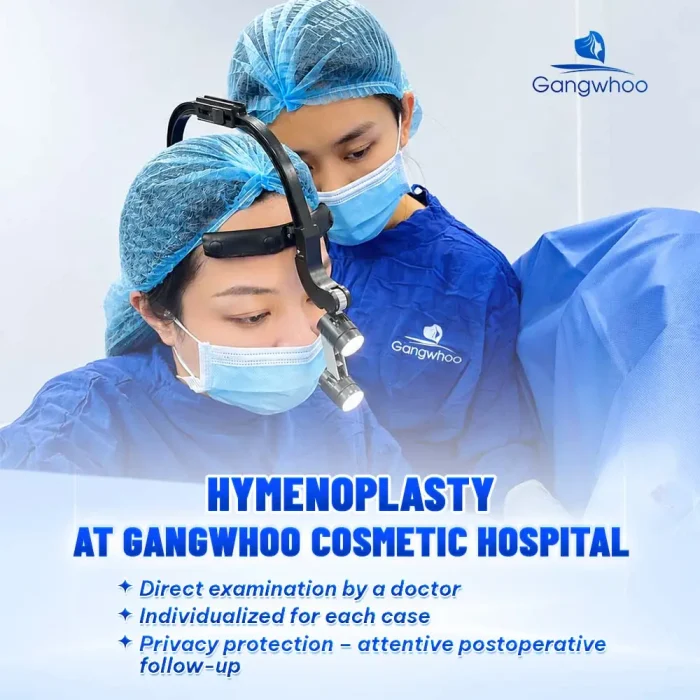
For a surgical procedure like hymenoplasty, success depends not only on technique but also on the examination process, sterile conditions, and the expertise of the medical team. This is why doctors always recommend choosing a licensed facility with a clear treatment process, rather than focusing solely on cost.
At Gangwhoo Cosmetic Hospital, clients seeking hymenoplasty are examined directly by a qualified physician to assess their health, check for gynecological conditions, and determine eligibility for the procedure. Only once health and safety criteria are met does the doctor recommend proceeding with hymen restoration. This process helps minimize the risk of complications and improve treatment outcomes.
One of the advantages of Gangwhoo Cosmetic Hospital is that careful attention is paid to every stage — from consultation and examination, to surgical room preparation, to aftercare. The sterile environment, supporting equipment, and post-treatment monitoring process are all designed to reduce the risk of infection, bleeding, or other unwanted complications.
Beyond the technical aspects, clients also receive detailed guidance on aftercare, follow-up schedules, and warning signs to watch for during recovery. This ongoing support after the procedure plays an important role in ensuring smooth healing and early detection of any abnormalities.
If you’re still wondering whether hymenoplasty is dangerous, the best solution is to consult directly with a doctor for an accurate health assessment and personalized recommendations. Rather than choosing based on advertising or price, prioritize a medical facility with genuine expertise and a transparent, well-structured treatment process. That is the direction Gangwhoo Cosmetic Hospital aims for in caring for and treating each client.