
After temple augmentation, swelling is often the most concerning reaction for many patients. In reality, the question of how long swelling lasts after temple augmentation is not only related to initial discomfort but also directly affects psychological comfort and overall satisfaction with aesthetic results.
From a medical perspective, swelling after temple augmentation is a normal physiological response. However, the severity and duration of swelling vary depending on the technique used, individual healing capacity, and postoperative care.
Why Does Swelling Commonly Occur After Temple Augmentation?
The temple area has thin skin, a rich vascular network, and close anatomical connections with facial soft tissues. When performing temple augmentation—whether through implant placement, autologous fat grafting, or filler injection—the tissue inevitably undergoes a certain degree of mechanical trauma.
Post-procedural swelling results from a physiological inflammatory response, during which the body increases blood flow and inflammatory fluids to the treated area to facilitate tissue repair. This is a natural protective mechanism rather than an abnormal sign. Clinically, it is important to distinguish between normal swelling that gradually subsides and pathological swelling that worsens, becomes increasingly painful, or is accompanied by signs of infection.
How Long Does It Take for Swelling to Subside After Temple Augmentation?

Clinically, swelling after temple augmentation is usually most pronounced during the first 2–3 days and then gradually subsides. Most patients notice a significant reduction in swelling after about 7–10 days. However, for swelling to completely resolve and for the soft tissue to feel smooth and natural, it may take several weeks to more than a month, depending on the augmentation method and individual recovery.
Therefore, when discussing how long it takes for swelling to disappear after temple augmentation, it is important to differentiate between “noticeable reduction in swelling” and “complete resolution of swelling.” Both are normal stages in the healing process.
Swelling Duration by Temple Augmentation Method
1. Temple Augmentation with Implants
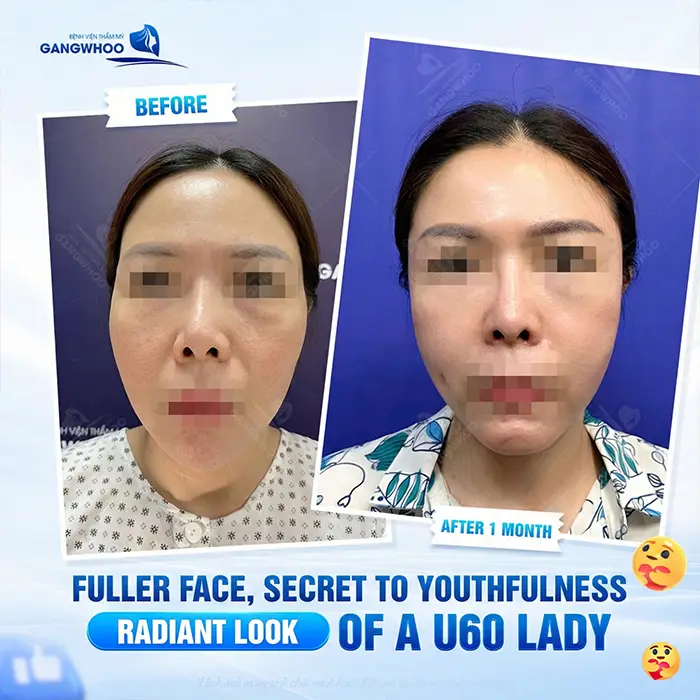
Temple augmentation with implants involves surgical pocket dissection and implant placement, so initial swelling is typically more noticeable than with minimally invasive techniques. During the first 3–5 days, patients may experience swelling and mild tightness in the temple area. With proper care, swelling usually decreases within 7–14 days.
After approximately 2–3 weeks, swelling is significantly reduced and facial contours appear more natural. However, complete adaptation of soft tissue to the implant and optimal stabilization often require 4–8 weeks. During this time, avoiding strong impact and attending follow-up visits is crucial.
2. Temple Augmentation with Autologous Fat Grafting
With autologous fat grafting, swelling may occur not only in the temple area but also at the fat harvesting site. Swelling is typically most evident during the first week and gradually decreases over the next 10–14 days.
A key characteristic of this method is that transplanted fat requires time to establish blood supply and stabilize within the recipient tissue. As a result, although swelling may subside relatively early, complete stabilization of results is usually assessed after 4–6 weeks or longer, depending on individual physiology.
3. Temple Augmentation with Dermal Fillers
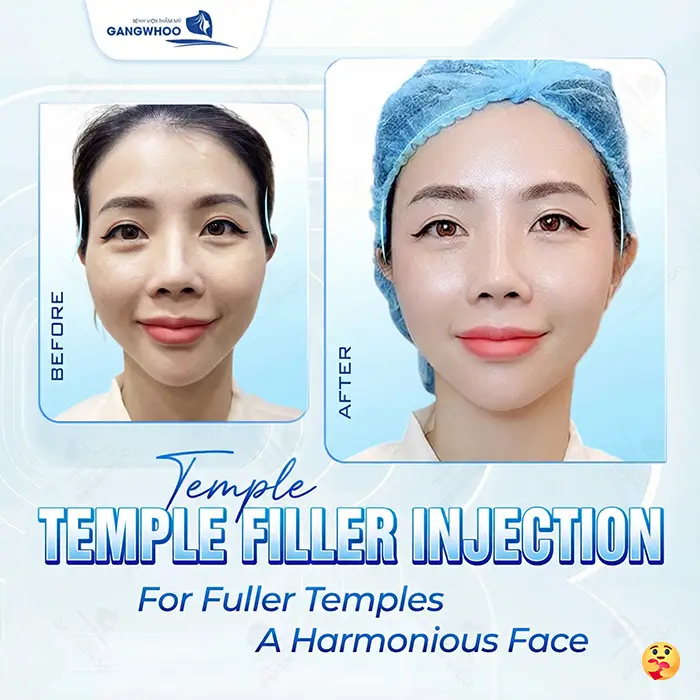
Temple augmentation with fillers is the least invasive method, so swelling is generally mild. Minor swelling or bruising may occur during the first 1–3 days and typically resolves quickly within the first week. In most cases, swelling is nearly gone after 7 days, and fillers stabilize within 2–4 weeks.
Factors Affecting Swelling Duration After Temple Augmentation
The duration of swelling varies among individuals due to multiple factors. First, surgeon expertise and procedural technique play a critical role. Precise intervention at the correct anatomical plane, minimal tissue dissection, and effective bleeding control help reduce tissue trauma and accelerate swelling reduction.
The degree of invasiveness and type of material used also directly affect swelling duration. Surgical methods such as implant placement tend to cause more initial swelling than fillers, while fat grafting requires additional time for tissue stabilization. Furthermore, proper postoperative care helps limit prolonged inflammation and shortens recovery time.
In addition to technical factors, individual physiology and lifestyle also influence swelling resolution. Age, healing capacity, smoking habits, and underlying conditions such as diabetes may prolong swelling compared to average recovery timelines.
Proper Care to Reduce Swelling More Effectively After Temple Augmentation
During the first 7–14 days after temple augmentation, strict adherence to postoperative care protocols—especially proper medication use and an appropriate diet—plays a decisive role in controlling swelling and supporting tissue recovery.
1. Medication as Prescribed

After temple augmentation, physicians commonly prescribe medications to control inflammation, reduce pain, and prevent infection. Antibiotics are typically indicated in cases involving surgical incisions to prevent bacterial infection. In clinical practice, oral beta-lactam antibiotics such as amoxicillin–clavulanate or cephalosporins like cephalexin may be selected based on individual condition and allergy history.
In parallel, analgesic and anti-inflammatory medications help manage discomfort and limit excessive inflammation. Common pain relievers such as paracetamol are often preferred due to minimal impact on blood clotting. In some cases, nonsteroidal anti-inflammatory drugs may be prescribed at appropriate doses under medical supervision.
To further reduce edema, physicians may recommend anti-swelling agents or proteolytic enzymes that enhance fluid drainage and accelerate swelling reduction. Patients should take medications at the correct dosage and duration and should not discontinue treatment prematurely even if swelling improves.
2. Diet to Support Swelling Reduction and Healing
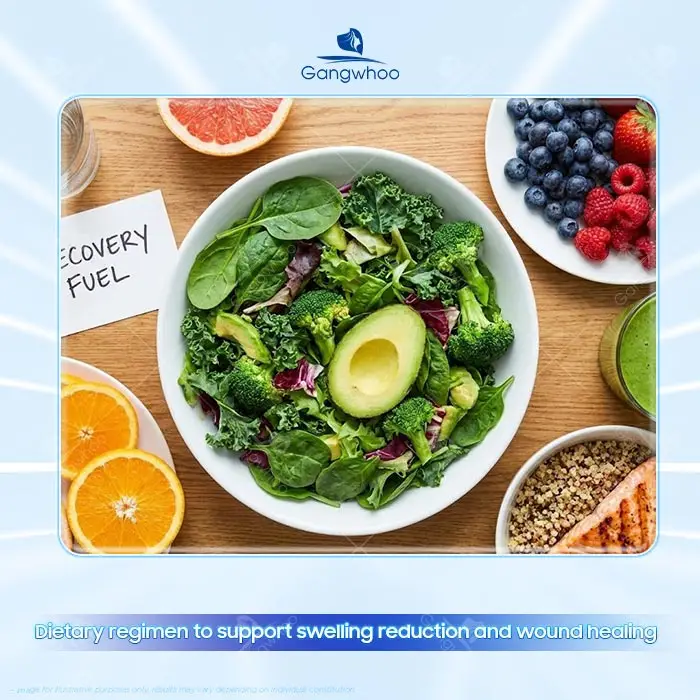
In addition to medication, a balanced diet plays a vital role in controlling swelling after temple augmentation. During the early recovery period, patients should prioritize easily digestible foods rich in high-quality protein such as lean meat, fish, eggs, dairy products, and legumes to support tissue regeneration.
Fresh vegetables and fruits rich in vitamins—especially vitamin C—enhance immune function and promote wound healing. Adequate hydration improves circulation and facilitates the elimination of inflammatory byproducts, contributing to faster swelling reduction.
Conversely, during the initial recovery phase, patients should avoid foods that may cause irritation or delay healing. Excessively salty foods can increase fluid retention, prolonging edema. Spicy foods, alcohol, and stimulants may cause vasodilation, worsening swelling and heat sensation at the treated area. Additionally, foods associated with inflammation or hypertrophic scarring in susceptible individuals should be limited.
3. Comprehensive Care for Optimal Swelling Reduction
Combining proper medication use, balanced nutrition, adequate rest, and avoidance of harmful factors creates favorable conditions for the body to regulate the normal inflammatory response after temple augmentation. When these elements are implemented consistently, swelling typically subsides more quickly, soft tissue stabilizes more effectively, and aesthetic results become visible sooner and remain stable over time.
Why Does Temple Augmentation at Gangwhoo Aesthetic Hospital Result in Faster Recovery and Less Swelling?
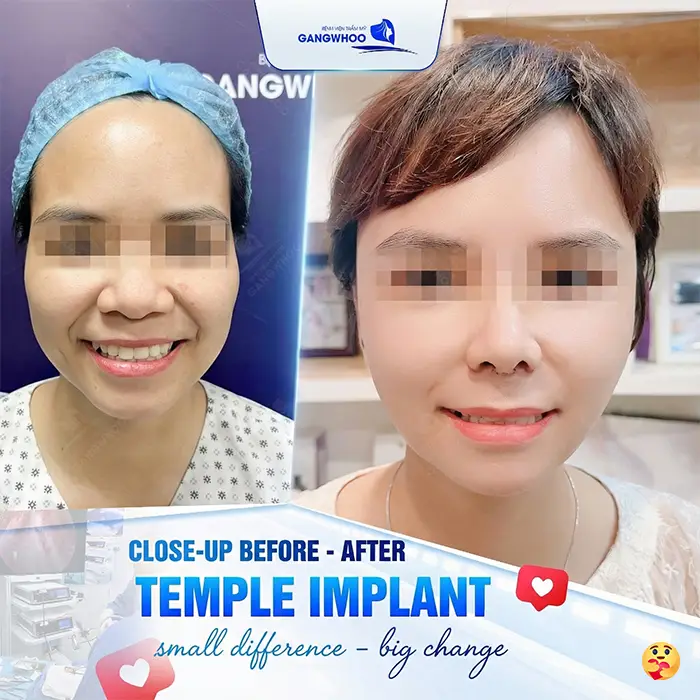
At Gangwhoo Aesthetic Hospital, temple augmentation procedures are performed by experienced board-certified aesthetic surgeons who directly evaluate and treat each patient. Precise anatomical technique and minimal unnecessary invasiveness help reduce tissue trauma and postoperative swelling.
The hospital applies advanced surgical technologies such as the Harmonic scalpel, which simultaneously cuts and coagulates using ultrasonic energy, reducing bleeding and inflammatory response. Laser technology is used for high-precision steps, creating cleaner incisions with minimal surrounding tissue damage and faster wound healing.
Postoperatively, patients may also receive hyperbaric oxygen therapy, which enhances oxygen delivery to tissues, improves microcirculation, and accelerates cellular regeneration. This comprehensive combination of surgical expertise, advanced technology, and structured recovery care allows many patients to experience faster and milder swelling reduction after temple augmentation at Gangwhoo.
In summary, the question how long swelling lasts after temple augmentation should be considered from a medical perspective, as recovery time depends on the method used, individual physiology, and postoperative care. Choosing a reputable aesthetic facility with experienced specialists and standardized medical protocols ensures safer recovery, faster swelling reduction, and long-lasting, harmonious aesthetic results. At Gangwhoo Aesthetic Hospital, every temple augmentation procedure is personalized—from consultation and treatment to postoperative monitoring—to effectively control swelling and deliver stable, natural-looking outcomes.