
With over 15 years performing cosmetic and reconstructive surgeries, I understand very well that the most common question after a tummy tuck is: “How Long Does It Take to Recover from a Tummy Tuck?” Recovery time affects daily routines and directly impacts long-term aesthetic results. Although each person heals differently, international literature and clinical experience show that most patients need around four to six weeks to resume nearly normal activities and three to six months for the abdomen to fully settle.
This article explains the tummy tuck recovery timeline stage-by-stage, factors that influence healing speed, and essential aftercare instructions you should know to shorten recovery time and minimize complications.
How Long Does It Take to Recover from a Tummy Tuck? – Quick summary from the surgeon
Professionally, tummy tuck recovery depends on the level of intervention, surgical technique, individual biology, and postoperative care. However, most patients can stand upright and move more comfortably after one to two weeks, return to office work within two to three weeks, and feel almost fully recovered around six weeks. The most stable aesthetic results appear between the third and sixth month, when tissues soften and the abdominal skin adapts to its new structure.
Tummy tuck recovery timeline by stages
1. The first 24–72 hours after surgery
During the first three days, the body enters the acute inflammatory phase. Patients feel tightness, dull pain, and difficulty moving, often needing to stay slightly bent to avoid tension on the incision. Swelling and bruising commonly appear. I always encourage very gentle movement to reduce the risk of blood clots and improve circulation, while strictly following prescribed painkillers and anti-inflammatory medication.
2. Week 1: Less pain, reduced swelling, and starting to adapt
After day three, pain usually decreases significantly. Swelling and bruising persist but become more tolerable. Patients can walk slowly and perform light home activities. A compression garment must be worn continuously to stabilize tissues, reduce swelling, and support shaping. Keeping the incision clean, avoiding strong movements, and preventing pressure on the abdomen are crucial for speeding up recovery.
3. Weeks 2–3: When can you return to work?
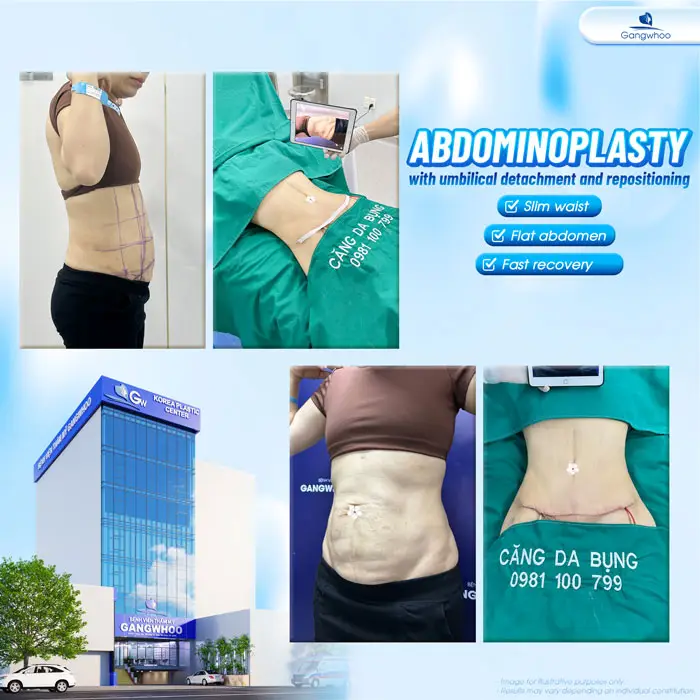
For office work or light labor, most patients can return to work within two to three weeks. Although mobility improves, abdominal muscles still need time to heal, especially for cases requiring muscle repair. Swelling typically reduces by 50–60% during this stage. Moderate movement is allowed, but sudden bending or lifting heavy objects should be avoided.
4. Weeks 4–6: Near-full recovery
From the fourth to sixth week, most patients can perform nearly all normal activities. The abdomen becomes softer, tightness reduces, and posture is almost back to normal. Studies show this is when tissues stabilize significantly. However, high-intensity sports or strong abdominal exercises should still be avoided, as tissues need more time to reach optimal strength.
5. After 6 weeks to 6 months: Stabilization and final aesthetic results
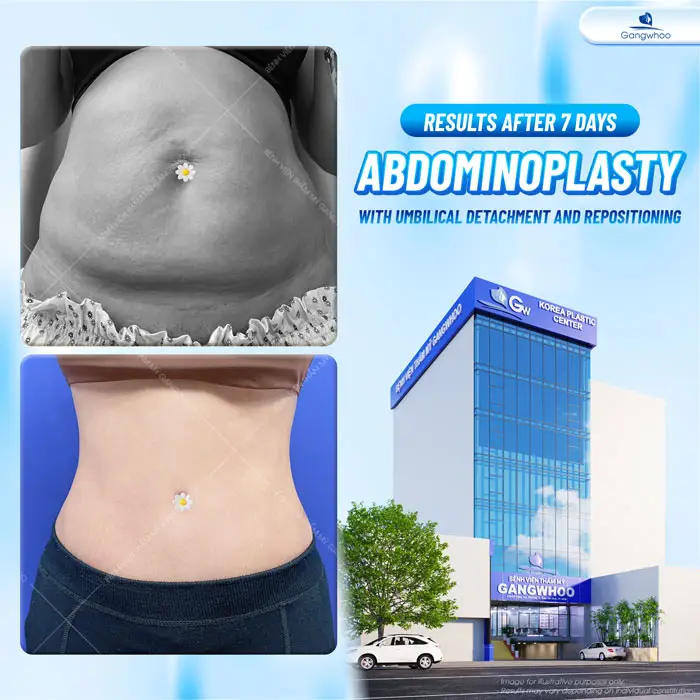
After six weeks, normal daily activities are usually possible. Patients can resume exercise with increasing intensity under supervision. From the third to sixth month, scar tissues soften, the abdomen appears more natural, and the waistline becomes more defined. Surgical scars also begin to fade during this period.
What is a tummy tuck and which technique heals faster?
A tummy tuck (abdominoplasty) removes excess abdominal skin and fat and repairs stretched or separated abdominal muscles — common after pregnancy or major weight loss. There are two popular techniques: full tummy tuck and mini tummy tuck.
The mini tummy tuck is less invasive and focuses mainly on the area below the navel, allowing faster recovery. In contrast, the full tummy tuck typically requires more extensive dissection, navel repositioning, and muscle repair, resulting in longer healing time.
Combining liposuction with a tummy tuck provides better contouring but may prolong recovery. The technique depends on skin condition, fat level, and muscle separation.
Factors determining tummy tuck recovery time
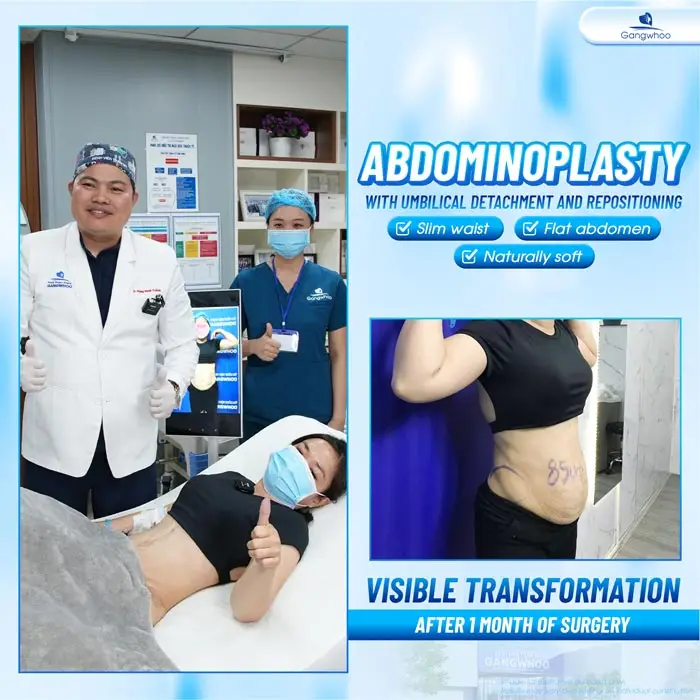
Younger patients with good skin elasticity and overall health often recover faster. Smokers, individuals with uncontrolled diabetes, or those with high BMI typically require more healing time due to prolonged swelling and slower wound recovery.
Surgical technique plays a vital role. Precise procedures with minimal unnecessary dissection, good vascular control, and proper drain placement reduce seroma risk and shorten recovery time. Patient compliance with aftercare is the key to long-term success.
Aftercare instructions to shorten tummy tuck recovery
During the first week, rest well, walk slowly, and avoid standing upright suddenly to prevent incision tension. Wear the compression garment continuously for four to six weeks to support shaping. Drink plenty of water, consume enough protein and vegetables, and avoid salty foods and stimulants to reduce swelling.
From the second week onward, patients may gradually increase light activities like slow walking and breathing exercises. Strong abdominal workouts should only start after six weeks and under supervision.
Maintaining stable weight, getting enough sleep, and avoiding stress also help ensure smooth recovery and minimize complications.
Possible complications that may prolong recovery
Some complications — such as seroma, infection, wound separation, or skin edge necrosis — can significantly prolong recovery. Seroma may cause unusual abdominal swelling and requires immediate check-up. Chest pain, shortness of breath, or leg swelling may indicate deep vein thrombosis and requires urgent medical attention.
Warning signs requiring immediate medical evaluation
Patients must return for evaluation if they develop fever, rapidly increasing pain, abnormal discharge, foul odor, or spreading redness. These may indicate excessive inflammation or infection and must be treated promptly to avoid affecting the final results.
Tummy tuck at Gangwhoo Aesthetic Hospital – Medical-standard process for optimized recovery
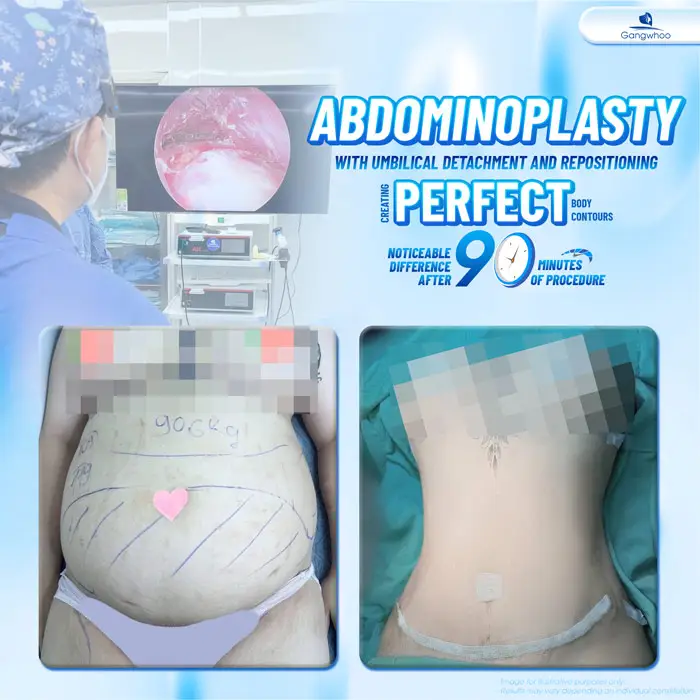
At Gangwhoo, patients receive thorough evaluations by board-certified plastic surgeons who assess skin, fat, and muscle separation before creating a personalized plan. Surgery is performed in a sterile positive-pressure operating room with hospital-grade anesthesia, ensuring maximum safety and reducing complications.
Gangwhoo has a strict postoperative care protocol, monitoring each stage of recovery to reduce risks like seroma and infection and speed up healing. The hospital provides specialized compression garments, guides proper movement, and schedules follow-up visits according to international standards.
For patients seeking comprehensive abdominal enhancement after pregnancy or weight loss, Gangwhoo often combines advanced liposuction techniques with muscle repair to create a natural waist-abdomen contour and long-lasting results. Proper technique from the start ensures faster recovery and higher satisfaction.
If you want a **safe – fast recovery – natural-looking** tummy tuck result, Gangwhoo Aesthetic Hospital is an excellent choice, especially for severe sagging, stretch marks, or muscle separation.
Customer images of tummy tuck at Gangwhoo
Customer videos of tummy tuck at Gangwhoo
Overall, tummy tuck recovery time is not a fixed number for everyone. However, with advanced techniques, medically standardized aftercare, and patient cooperation, recovery can be fast, safe, and aesthetically optimal.
If you’re considering a tummy tuck, I strongly recommend an in-person consultation to accurately assess skin, muscle, and overall health. This helps create the most suitable treatment plan, optimize recovery, and ensure satisfying results.