
After undergoing temple augmentation, besides concerns about swelling and recovery time, many clients are especially interested in the question of How Long After Temple Augmentation Are Sutures Removed and whether removing stitches too early or too late can affect wound healing and aesthetic results. In fact, suture removal is an important milestone in the healing process and must be performed at the appropriate time based on specific medical evaluation by the treating physician.
Why Is It Important to Remove Sutures at the Right Time After Temple Augmentation?
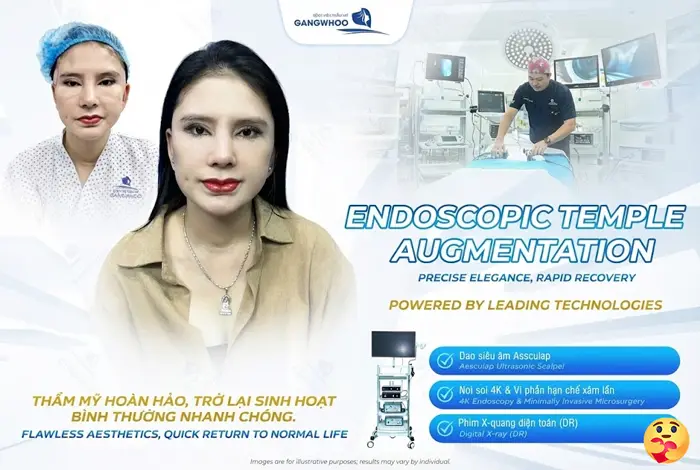
In surgical temple augmentation procedures that involve skin incisions, sutures help stabilize the wound edges and allow tissues to bond during the initial healing phase. If sutures are removed too early before the tissue has adequately healed, the incision may reopen, increasing the risk of infection or poor scarring. Conversely, leaving sutures in place for too long may cause skin irritation, delay healing, and negatively affect the appearance of the scar.
Therefore, determining the appropriate time for suture removal after temple augmentation should be based on the actual wound-healing condition, not merely on a fixed number of days.
How Long After Temple Augmentation Are Sutures Removed?
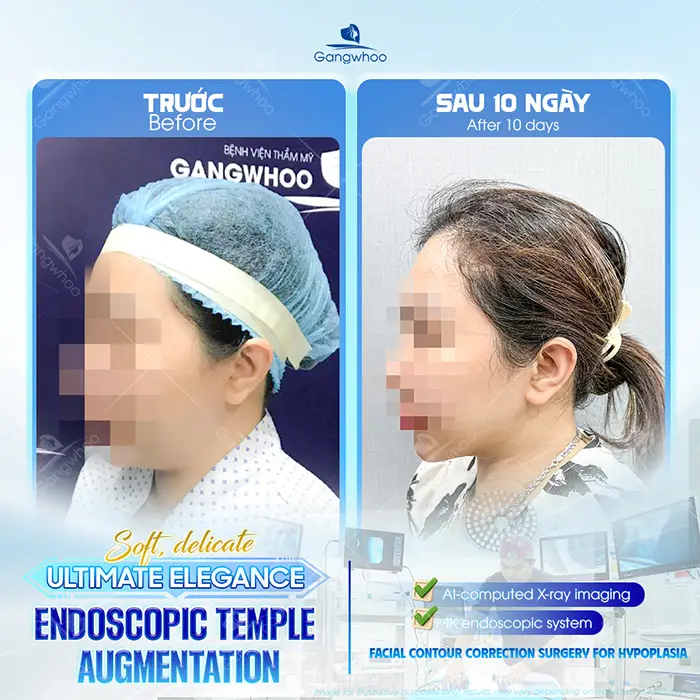
From a clinical perspective, sutures are usually removed about 7–10 days after temple augmentation. This is the average time for the temple skin to achieve basic healing under proper care and in the absence of complications. However, not all cases are the same.
The timing of suture removal also depends on the incision location, skin tension, individual healing response, and the surgeon’s suturing technique. For this reason, clients should return for scheduled follow-up visits so the doctor can directly assess the wound and decide on the most appropriate time for suture removal, rather than removing stitches themselves or delaying unnecessarily.
Suture Removal Time by Temple Augmentation Method
For temple augmentation using artificial implants, the procedure involves creating a pocket and placing an implant. The incision is usually hidden within the hairline or behind the ear, where the skin is relatively thin and under minimal tension. Under favorable healing conditions, sutures are typically removed after about 7–10 days. If swelling persists or healing is slower, the doctor may delay removal for a few more days to ensure safety.
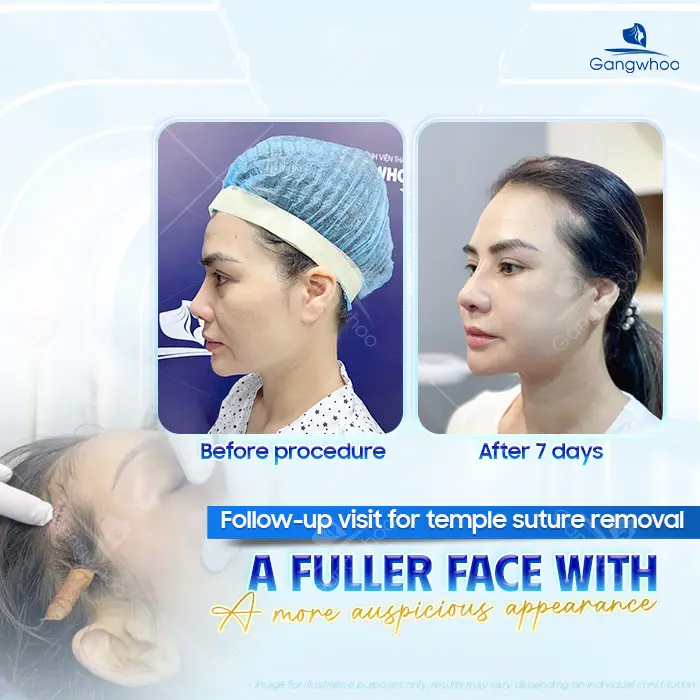
For temple augmentation using autologous fat grafting, the incision is usually very small and the skin tension is lower than with implant placement. Therefore, sutures may be removed earlier, usually around 5–7 days, if the wound is dry and shows no signs of inflammation. However, suture removal should still be performed at a medical facility to ensure sterility.
In contrast, temple augmentation with dermal fillers is a non-surgical procedure without skin incisions or sutures, so suture removal is not required. Many clients confuse filler injections with surgical temple augmentation, so understanding the differences helps avoid unnecessary concern.
Is Suture Removal After Temple Augmentation Painful?
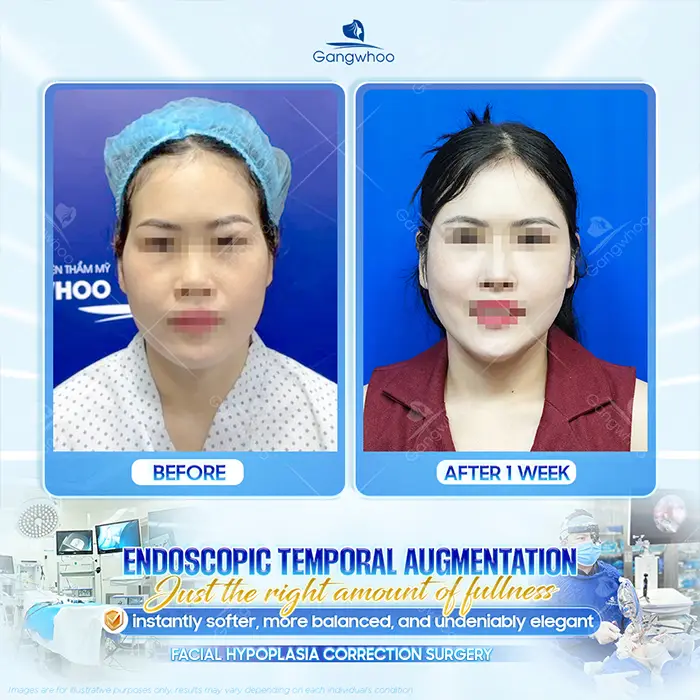
In most cases, suture removal after temple augmentation causes only minimal discomfort, typically a slight pulling or brief tingling sensation. This is because the skin has already healed to a basic level and cosmetic sutures are usually very fine. If a patient experiences significant pain during suture removal, the doctor will reassess the incision to rule out issues such as inflammation or suture adhesion.
Post–Suture Removal Care for Optimal Healing
After sutures are removed, the incision from temple augmentation has generally closed but is still in the tissue remodeling phase. At this stage, newly formed collagen fibers are immature and the skin has not yet regained full strength, making proper care essential to minimize scarring and ensure long-term aesthetic healing.
First, patients should keep the suture-removal area clean and dry during the first few days. Cleansing should be done gently according to the doctor’s instructions, avoiding rubbing or scratching the healing skin. In some cases, the doctor may recommend a mild antiseptic solution to clean the area, typically low-irritation products that help prevent bacterial infection without causing skin sensitivity. These should be used strictly as prescribed.
If the incision remains sensitive or is located in an area prone to sweat and bacterial exposure, the doctor may prescribe a short course of topical antibiotic ointment to help prevent localized infection. These medications should only be used when specifically indicated and not overused, as prolonged application may irritate the skin.

In daily activities, patients should avoid stretching or placing tension on the temple area, including vigorous facial movements, rubbing, massage, or direct pressure on the recently treated area. Such mechanical stress can stretch newly formed collagen fibers, leading to widened or less aesthetic scars. During rest, it is advisable to avoid sleeping on the side or applying pressure to the temple area in the early post–suture removal period.
Additionally, protecting the incision from sunlight and high temperatures is crucial for scar prevention. Ultraviolet rays can stimulate pigmentation in newly healed skin, causing scars to darken and become more noticeable. Therefore, during the first few weeks after suture removal, patients should avoid direct sun exposure, steam rooms, hot baths, and environments with high heat.
Once the incision has fully closed, with no discharge or scabbing, the doctor may recommend using scar-prevention products, most commonly medical-grade silicone gel. These products help maintain optimal skin moisture, regulate collagen remodeling, and reduce the risk of unfavorable scarring. They should be used at the appropriate time and strictly according to medical guidance to avoid irritation of newly healed skin.
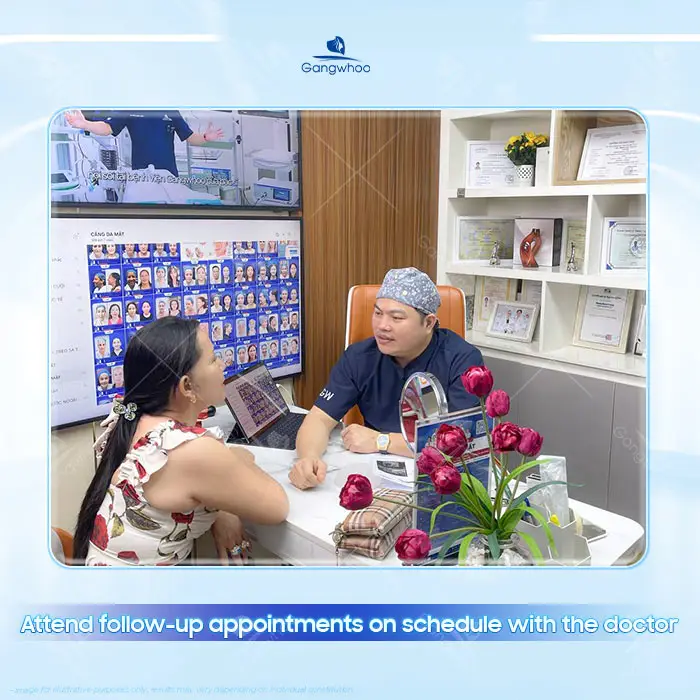
Finally, attending follow-up appointments as scheduled is essential after suture removal. During these visits, the doctor can monitor healing progress, detect early signs of complications, and adjust care instructions or topical treatments for each stage of recovery. Adhering to medical guidance helps ensure proper wound healing, minimize scarring, and maintain stable, long-lasting aesthetic results.
The question of how long after temple augmentation sutures are removed should always be answered based on individual medical evaluation rather than a one-size-fits-all timeline. Timely suture removal, combined with proper wound care and prescribed topical treatments, supports optimal healing, reduces scarring, and ensures long-term aesthetic outcomes. At Gangwhoo Aesthetic Hospital, clients receive close postoperative monitoring, timely follow-up visits, and standardized medical care instructions to ensure a safe and effective recovery process.