
After undergoing rhinoplasty, many patients are especially concerned about “How Long After Rhinoplasty Can You Take Weight Loss Medication” — hoping to maintain both a beautiful nasal shape and a slim figure. However, not everyone fully understands the relationship between post-rhinoplasty healing and the use of weight loss pills or injections.
In reality, most weight loss medications — whether oral or injectable — can affect blood circulation, blood pressure, metabolism, and wound healing. Using them too soon after surgery may slow down recovery or even impact the final aesthetic outcome of your nose.
With years of experience in rhinoplasty and post-operative care, I — Dr. Tran Kim Thach, Specialist Level I, Deputy Medical Director of Gangwhoo Aesthetic Hospital — will help you understand the safe timeline for resuming weight loss medication after rhinoplasty, the potential risks of premature use, and medical recommendations for losing weight safely without compromising your results.
Why You Should Avoid Weight Loss Medication Right After Rhinoplasty
1. Effects on Healing and Tissue Recovery
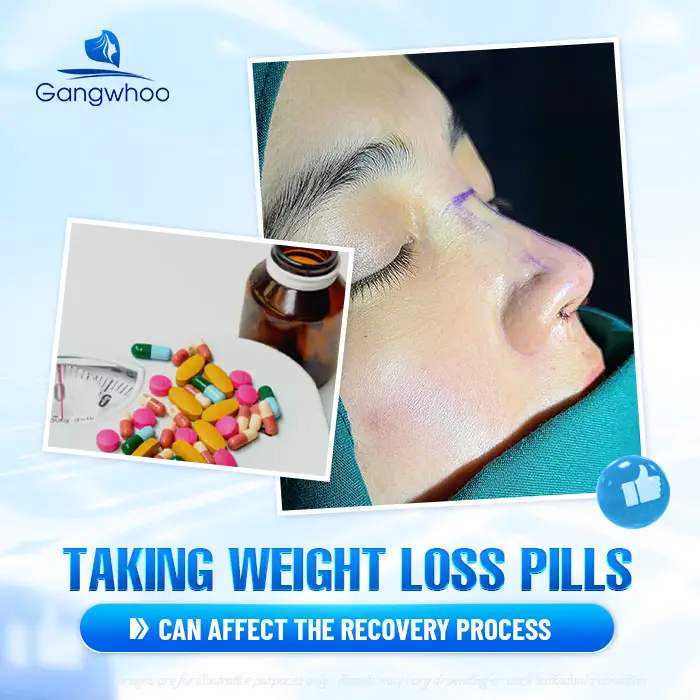
After rhinoplasty, the skin, subcutaneous tissue, and nasal cartilage need time to stabilize and bond. According to surgical guidelines, full recovery and structural stabilization may take several months to a year.
Using weight loss drugs too early — especially those that alter metabolism or fluid balance — can interfere with wound healing, swelling reduction, and the stability of the nasal framework.
2. Impact on Circulation and Blood Pressure
Many modern weight loss medications, such as GLP-1 agonists (Semaglutide, Tirzepatide), can affect metabolic rate, appetite, and circulatory function. These changes may delay healing, prolong swelling, or increase the risk of complications.
3. Increased Risk of Scarring or Complications
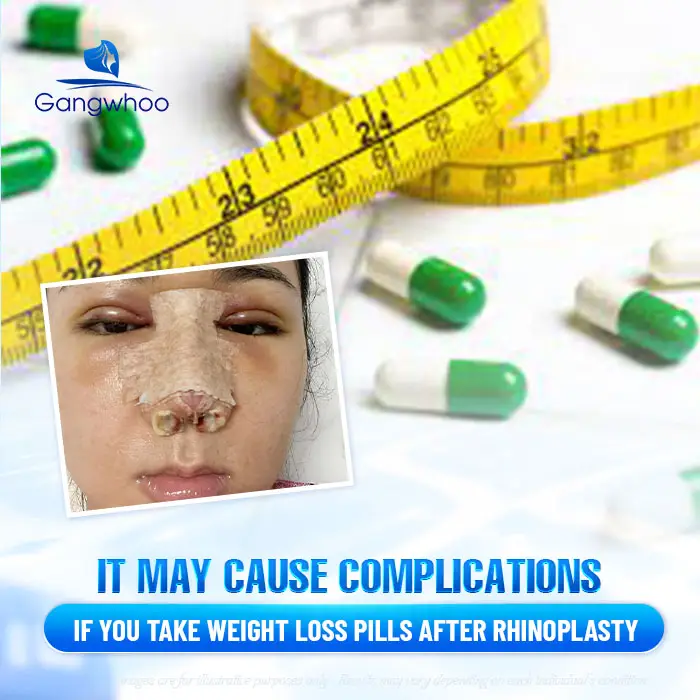
If your body loses weight too rapidly or lacks nutrients, the skin’s ability to repair and regenerate diminishes, potentially leading to poor scar formation or asymmetrical healing. Therefore, it’s medically unsafe to take weight loss medication immediately after rhinoplasty.
How Long After Rhinoplasty Can You Take Weight Loss Medication?
1. Recommended Recovery Timeline
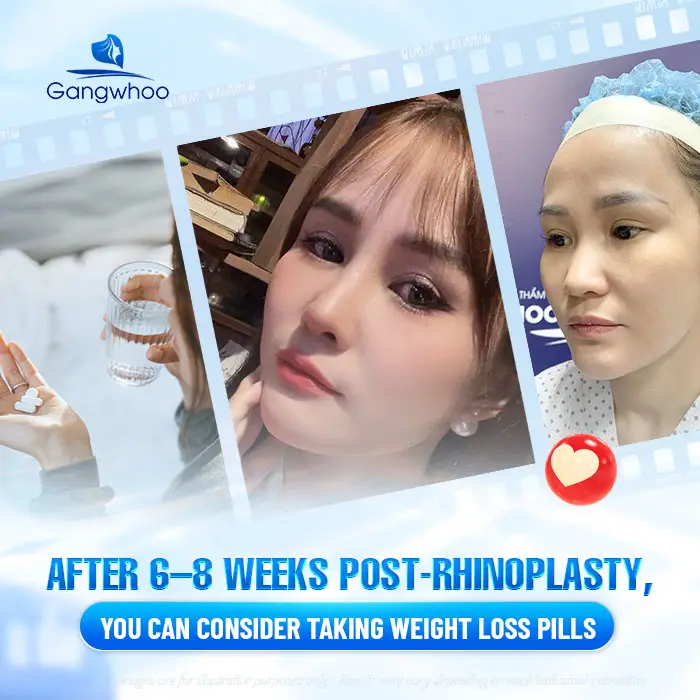
Generally, within the first 4–6 weeks, tissues and cartilage are still stabilizing. From the third month onward, swelling significantly decreases, and the nasal shape becomes more defined.
For most patients, I recommend waiting at least 6–8 weeks (1.5–2 months) before considering weight loss medication — ideally 2–3 months to ensure full tissue stability.
2. Exceptions With Medical Approval
If the procedure was minor and recovery is progressing well, light forms of medically approved weight management might be considered under strict doctor supervision.
3. Safer Temporary Alternatives

During the waiting period, focus on balanced nutrition, light physical activity, and protein-rich meals to naturally support weight control and recovery.
Key Precautions When Using Weight Loss Medication After Rhinoplasty
Avoid unregulated products such as “quick slimming pills” or unverified supplements.
Always inform your plastic surgeon and your weight-loss specialist before starting any new medication.
Support healing with high-protein, low-sodium diets, and avoid strenuous exercise for 4–6 weeks.
Monitor your body’s response — stop immediately if you experience dizziness, heart palpitations, or facial swelling.
Expert Insight from Dr. Tran Kim Thach – Gangwhoo Aesthetic Hospital

At Gangwhoo, we emphasize that resuming weight loss medication after rhinoplasty requires a multidisciplinary approach — involving your plastic surgeon, medical weight-loss specialist, and your active participation.
Starting weight loss medication too early can cause soft tissue shrinkage, altering the shape and projection of your nose. Some international studies on GLP-1 medications confirm that rapid fat loss can negatively affect facial soft tissue, which is crucial in rhinoplasty outcomes.
Therefore, I recommend focusing on nutrition and recovery first. Once your nose is medically cleared as stable, weight management can be resumed safely — always under physician supervision.
Frequently Asked Questions
1. Can I drink weight loss tea after rhinoplasty?
If the tea is mild and caffeine-free, it’s less risky, but avoid diuretic or detox teas that cause dehydration — they may slow healing.
2. Are weight loss supplements safe after rhinoplasty?
Not necessarily. Many supplements can disrupt metabolism or interfere with nutrient absorption — both critical for healing. Always consult your doctor first.
In Summary
If you’re wondering “how long after rhinoplasty can I take weight loss medication”, the safest answer is: at least 6–8 weeks, ideally 2–3 months. Early use can harm recovery and distort results. Always prioritize healing and nasal stability before starting any weight loss plan.
If you’re currently taking or planning to take weight loss medication and considering rhinoplasty, consult Gangwhoo Hospital for a personalized, safe treatment plan tailored to your body’s healing process.