
Dr. Tran Kim Thach, Specialist Level I (Gangwhoo Cosmetic Hospital), explains the recommended recovery period, wound care, and key medical precautions to avoid postoperative complications.
Why Should You Avoid Swimming After Rhinoplasty?
According to Dr. Tran Kim Thach, after rhinoplasty surgery, the nasal tissues are in a healing and structural stabilization phase, especially in advanced procedures such as structural rhinoplasty, semi-structural rhinoplasty, or those involving cartilage grafts.
Swimming during this period can pose several risks:
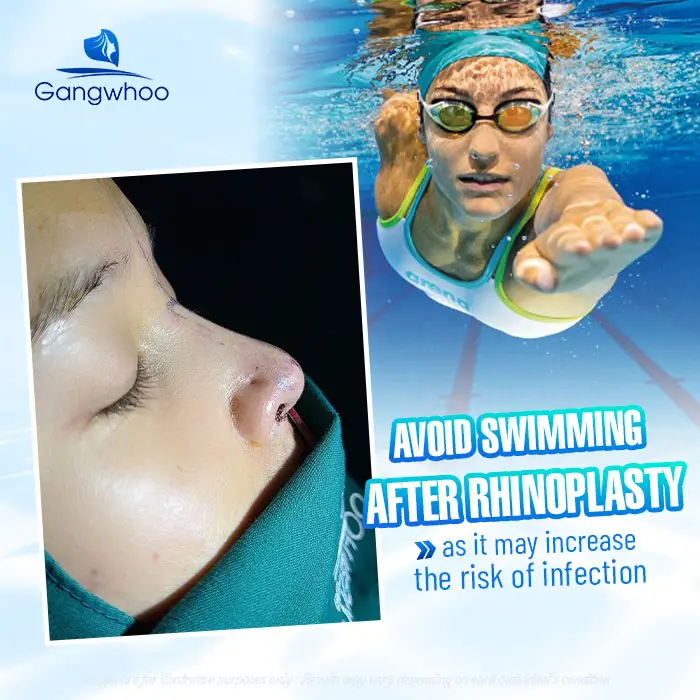
Infection: Pool water often contains chlorine and bacteria such as Pseudomonas aeruginosa, which can enter the wound before it’s fully healed.
Mechanical pressure: Water pressure or accidental impact while swimming or diving may shift or displace the nasal implant or cartilage graft.
Soft tissue inflammation: According to the American Society of Plastic Surgeons (ASPS, 2023), patients undergoing facial cosmetic surgery should avoid pool water exposure for at least 3–4 weeks to minimize tissue inflammation and infection risk.
How Long After Rhinoplasty Can You Go Swimming?
The recovery period and the safe time to resume swimming depend on the surgical technique and each patient’s healing rate. Below is an approximate guideline:
| Type of Rhinoplasty | Minimum Time to Avoid Swimming | Medical Note |
| Filler rhinoplasty | 1 – 2 weeks | No open wounds, but should avoid water to stabilize filler. |
| Silicone or ePTFE implant rhinoplasty | 3 – 4 weeks | Wait until tissue encapsulation around the implant is stable. |
| Structural rhinoplasty (with cartilage graft) | 4 – 6 weeks | Ensure complete wound closure and revascularization. |
| Complex revision rhinoplasty | 6 – 8 weeks | Higher risk of deviation or infection due to weak tissue structure. |
Patients are generally advised to wait 4–6 weeks before swimming, after the incision is healed, swelling has subsided, and the nose has been checked by a surgeon.
Signs You May Be Ready to Swim Again
Before returning to swimming, patients should have a follow-up examination by their plastic surgeon. Safe signs include:
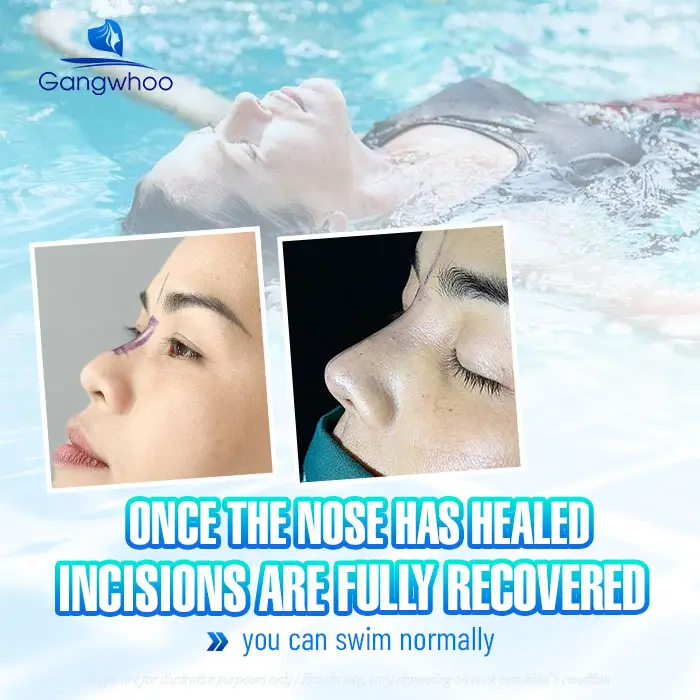
The nasal skin is dry, without discharge or scabbing.
No more pain, swelling, or tenderness when touched.
The incision is fully closed, without exposed stitches or crusting.
The nasal bridge feels firm and stable when pressed lightly.
Precautions When Swimming After Rhinoplasty
To minimize infection or nasal shape distortion, patients should follow these instructions:
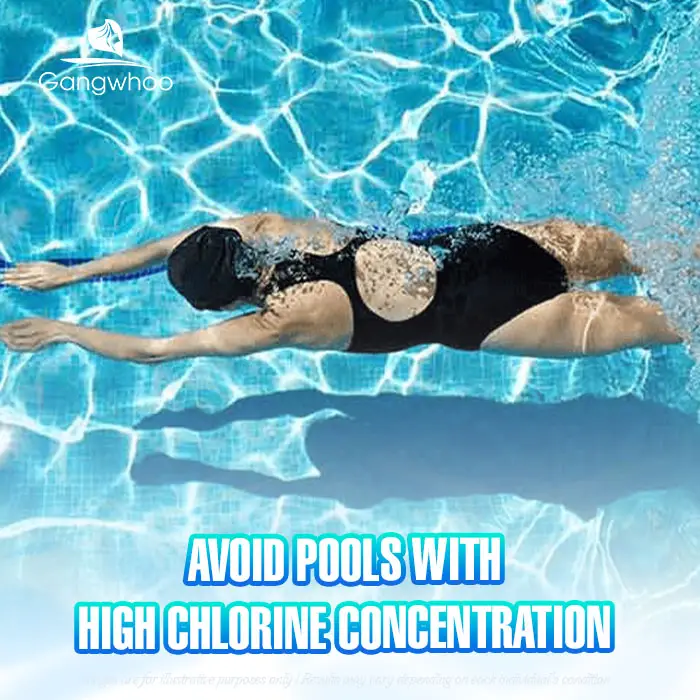
Avoid highly chlorinated pools or rough ocean waves for at least 1–2 weeks after resuming swimming.
Wear protective swim goggles to prevent water from entering the nose.
Cleanse the nasal area thoroughly after swimming using sterile saline solution (0.9%).
Avoid diving, heavy impact, or forceful nose blowing after swimming.
When You Should NOT Swim After Rhinoplasty
Patients should completely avoid swimming if they experience:
Redness, warmth, increasing pain, or pus around the nose.
Nasal deviation or deformity after physical contact.
Allergic reactions to pool chemicals (itching, redness, rashes around the nose).
If any of these occur, stop swimming immediately and visit a qualified rhinoplasty specialist for evaluation and treatment.
Postoperative Care Tips for Faster Recovery
Dr. Tran Kim Thach emphasizes several postoperative care principles that help shorten the healing period and reduce the time before swimming safely:
Clean the nose daily with sterile saline solution.
Avoid touching or applying makeup on the nose during the first week.
Stay away from hot, humid environments, dust, and direct sunlight.
Eat a balanced diet with vitamins A, C, and zinc to promote tissue healing.
Attend all follow-up appointments to ensure proper wound recovery and to know when it’s safe to swim again.
Doctor’s Conclusion: When Is It Safe to Swim After Rhinoplasty?
According to Dr. Tran Kim Thach, the recovery period varies by individual, depending on the surgical method, personal healing response, and postoperative care. However, to maintain safety and ensure stable results, patients should avoid swimming for at least 4–6 weeks.
Swimming too soon before the incision fully heals can allow pool or seawater to enter the wound, leading to infection, swelling, or implant displacement. Following your doctor’s instructions and attending follow-ups can help prevent complications and preserve long-term aesthetic outcomes.
In summary, How Long After Rhinoplasty Can You Go Swimming depends on your healing progress, but the safest timeframe is typically after 1–1.5 months, once your surgeon confirms full tissue stability.
If you have any concerns or would like a professional assessment, visit Gangwhoo Hospital, where experienced rhinoplasty specialists can evaluate your healing status and provide personalized guidance to ensure optimal results.