
“How long after rhinoplasty can you eat soy sauce?” is one of the most common questions patients have post-surgery. Rhinoplasty is a delicate cosmetic procedure that reconstructs the nasal cartilage, soft tissue, and bone. Proper postoperative care is essential to ensure effective tissue healing, reduce swelling, and maintain a stable, natural nasal shape over the long term. Soy sauce contains a high level of sodium, which can increase water retention and tissue edema, negatively affecting tissue regeneration and stabilization after surgery.
Why Should Soy Sauce Be Avoided After Rhinoplasty?
After rhinoplasty, the cartilage, soft tissue, and skin of the nose are in the process of reconstructing and stabilizing. During the postoperative period, any factor that increases tissue swelling or promotes inflammation can directly affect the aesthetic appearance and function of the nose.
Soy sauce contains a high level of sodium (Na⁺). Consuming it too early can cause the following effects:
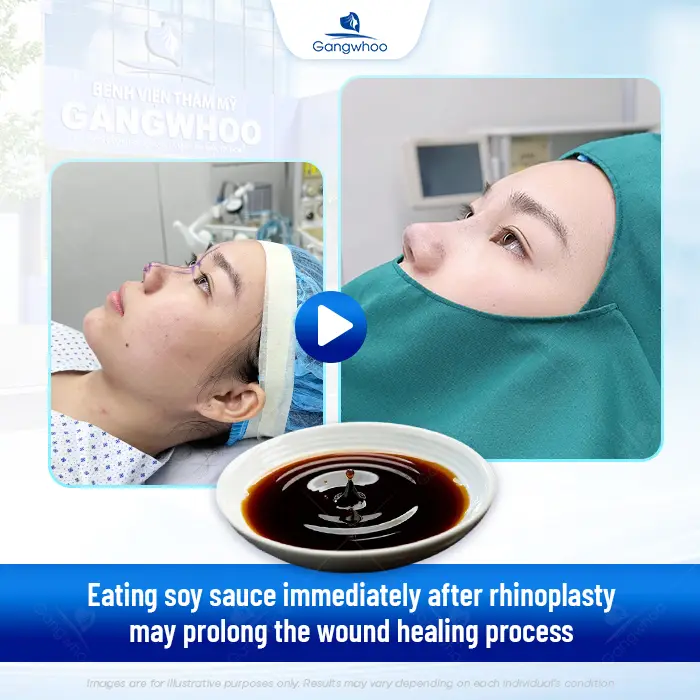
1. Increased Tissue Swelling (Edema)
- Sodium increases osmotic pressure in tissues, leading to intracellular and extracellular water retention, which increases swelling in the nasal soft tissue.
- Prolonged edema can stretch the nasal skin, affecting the nasal dorsum contour, especially in cases involving cartilage structure reconstruction and nasal tip support.
2. Delayed Wound Healing
- Excess water retention in tissues reduces blood perfusion, slowing the delivery of oxygen and nutrients to cells.
- This increases the risk of inflammation, prolongs bruising, and slows cartilage regeneration, affecting the stability of the nasal shape.
3. Aesthetic Outcome Impact
- Prolonged or uneven swelling may temporarily or permanently deform the nose.
- In complex structural rhinoplasty, uncontrolled edema can alter the nasal axis, create dorsal deviation, or expose the nasal tip support, increasing the risk of needing additional correction.
Due to these physiological mechanisms, avoiding soy sauce in the early postoperative phase is essential to reduce edema, support cartilage and soft tissue regeneration, and ensure stable, long-term aesthetic results.
How Long After Rhinoplasty Can You Eat Soy Sauce?
The timing for “how long after rhinoplasty can you eat soy sauce” depends on tissue regeneration, edema reduction, and stabilization of cartilage and soft tissue for each patient. After rhinoplasty, the nasal tissues go through different recovery stages:
1. First 7–10 Days: Acute Inflammatory Phase – Maximum Swelling
- Tissue physiology: Cartilage and soft tissue are in acute inflammation; swelling and bruising are normal physiological responses.
- Effect of salt/soy sauce: Sodium in soy sauce can increase water retention in tissues, leading to more swelling and skin tension, affecting blood supply and healing.
- Guidance: Absolutely avoid soy sauce and salty foods, prioritize a mild, soft, and nutrient-rich diet to reduce tissue pressure and support cartilage and soft tissue regeneration.
2. 2–4 Weeks: Tissue Regeneration Phase – Decreasing Swelling
- Tissue physiology: After about 2 weeks, nasal tissue begins collagen regeneration and cartilage stabilization; swelling decreases significantly, and blood vessels restore normal circulation.
- Guidance: Soy sauce can be considered in very limited amounts or diluted, but soft, mild foods should still be prioritized to minimize osmotic pressure causing local edema.
- Monitoring: If consuming salty foods increases swelling or pain, stop immediately and continue a mild diet.
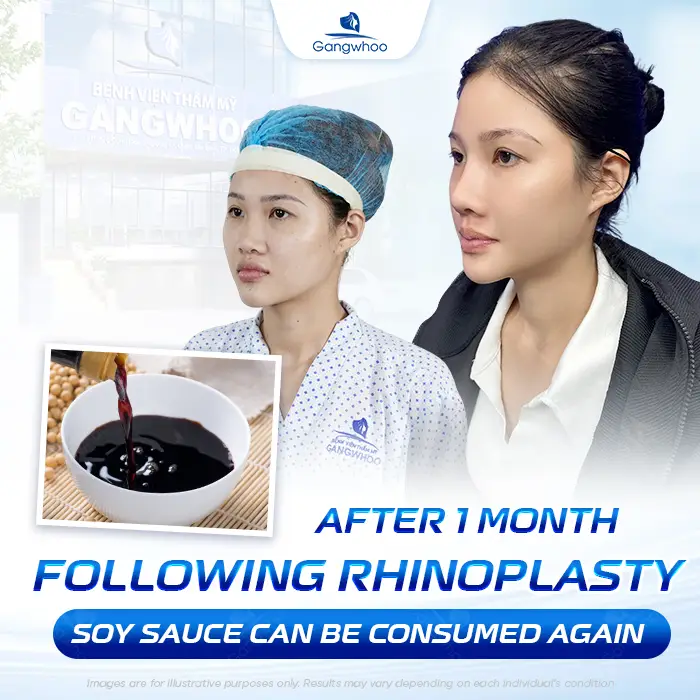
3. Over 1 Month: Tissue Stabilization and Aesthetic Outcome
- Tissue physiology: Nasal soft tissue and cartilage have structural stability, wounds are mostly healed, and the risk of swelling is reduced.
- Guidance: Patients can eat soy sauce normally if the surgeon confirms good healing progress without signs of inflammation or edema.
- Note: Recovery varies by patient; personalized dietary recommendations should be based on clinical evaluation.
In summary, the timing to consume soy sauce after rhinoplasty should depend on tissue recovery, swelling, and the specialist’s assessment. Following these timelines helps reduce swelling, promote healing, and ensure a stable, natural nasal shape.
Foods to Avoid After Rhinoplasty Besides Soy Sauce
After rhinoplasty, besides avoiding soy sauce, patients should limit certain other foods to support cartilage and soft tissue healing, reduce swelling, and minimize complications. Proper dietary choices play a critical role in tissue regeneration, inflammation reduction, and nasal structure stabilization.
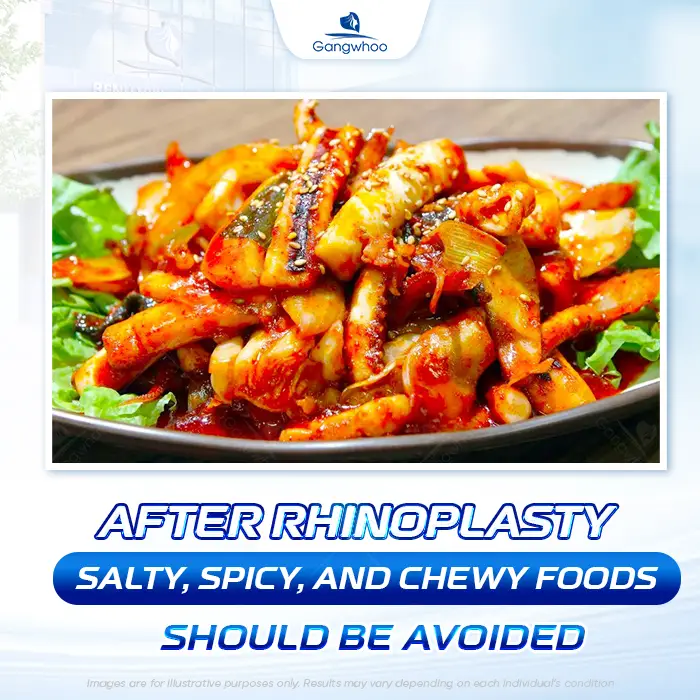
1. Salty, Spicy, Hard, and Chewy Foods
- Mechanism: Salty foods increase osmotic pressure, promoting local water retention and edema. Spicy foods can cause peripheral vasodilation, worsening bruising. Hard or chewy foods require strong mastication, increasing pressure on the nose and surrounding tissue, potentially causing fluid accumulation at the wound.
- Examples: Tough meat, dry bread, fried foods, strongly spiced dishes.
2. Strong Spices, Pickled, and Grilled Foods
- Mechanism: Strong spices, pickled foods, and grilled items contain sodium and pro-inflammatory compounds, which can increase water retention and stimulate tissue inflammation, prolonging recovery.
- Examples: Pickles, heavily seasoned grilled foods, spicy sauces, fish sauce, chili paste.
3. Foods That Increase Inflammation or Bruising
- Mechanism: Certain foods increase osmotic pressure or vasodilation, promoting bruising (ecchymosis) and swelling. Pro-inflammatory foods also activate immune cells, slowing collagen and cartilage regeneration.
- Examples: Deep-fried foods, processed foods with high salt and additives, alcohol, organ meats rich in arachidonic acid.
Post-Rhinoplasty Diet for Faster Recovery
A proper postoperative diet plays an important role in cartilage and soft tissue regeneration, reducing swelling, and promoting wound healing after rhinoplasty. In addition to supporting local nasal tissue physiology, it also enhances overall health and immunity, reducing the risk of infection and complications.
1. Soft, Easy-to-Chew Foods

- Mechanism: Soft foods reduce mechanical stress on the nose and surrounding tissue, preventing fluid accumulation or increased swelling.
- Examples: Porridge, soup, yogurt, boiled or steamed soft vegetables.
- Benefits: Protects the wound, reduces mechanical pressure, and provides easily absorbable nutrition.
2. Protein-Rich Foods
- Mechanism: Protein is essential for collagen, cartilage, and soft tissue regeneration, promoting nasal structure recovery.
- Examples: Eggs, fish, boiled chicken, tofu, low-fat seafood.
- Benefits: Supports cell regeneration, reduces swelling, and boosts immunity, aiding faster recovery.
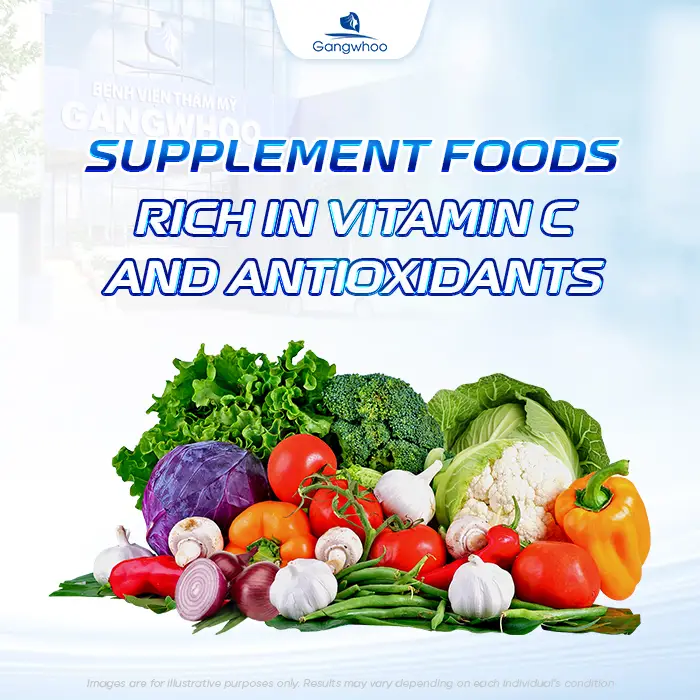
3. Anti-Inflammatory, Vitamin-Rich Foods
- Mechanism: Foods high in vitamin C and antioxidants help reduce inflammation, promote collagen synthesis, and protect tissues from oxidative stress.
- Examples: Citrus fruits, strawberries, kiwi, green vegetables (broccoli, spinach), nuts rich in omega-3.
- Benefits: Supports cartilage and soft tissue healing, reduces bruising and swelling, and improves overall health.
4. Adequate Hydration
- Mechanism: Water helps re-balance electrolytes, remove toxins, reduce edema, and improve blood circulation to healing tissues.
- Benefits: Reduces swelling, supports tissue regeneration, and maintains overall health.
A proper post-rhinoplasty diet should combine soft, protein-rich, anti-inflammatory foods and adequate hydration. This not only accelerates cartilage and soft tissue recovery, reduces swelling and bruising, but also supports stable and natural aesthetic results. Following this diet along with the recommended timing for “how long after rhinoplasty can you eat soy sauce” ensures optimal and safe recovery.
Adhering to a proper diet and following guidance on soy sauce consumption at Gangwhoo Hospital helps optimize recovery, reduce swelling, and maintain a beautiful, natural, and long-lasting nasal shape.