
After rhinoplasty, many patients often wonder how long they need to wait before eating eggs to ensure sufficient nutrition without affecting the healing process. Eggs are a valuable source of protein that promotes tissue regeneration, but consuming them too early or improperly can cause swelling, pain, and compromise aesthetic results. The following article provides detailed guidance based on medical expertise and clinical experience on how to safely include eggs in your diet after rhinoplasty.
Nutritional Value of Eggs and Their Benefits for Post-Rhinoplasty Recovery
Eggs are one of the foods commonly recommended by doctors for post-rhinoplasty diets because they contain essential nutrients:
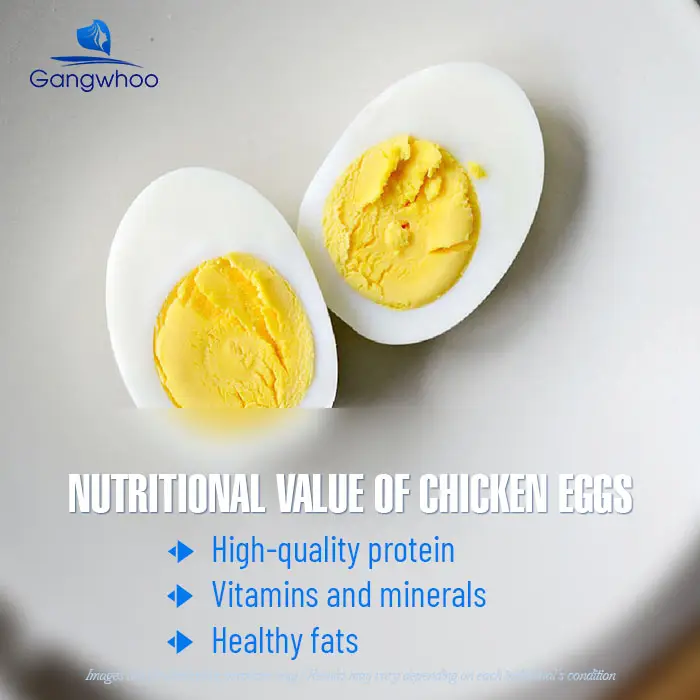
- High-quality protein: Eggs provide all essential amino acids, supporting tissue regeneration and wound healing, especially useful during the first week after surgery.
- Vitamins and minerals: Vitamin A aids skin recovery, vitamin D and calcium support stable nasal bones and cartilage, B12 and iron improve blood circulation, and zinc and selenium reduce inflammation and promote healing.
- Healthy fats: Unsaturated fatty acids in the yolk help reduce inflammation, provide energy, and support the absorption of fat-soluble vitamins.
Why You Need to Be Cautious About Eating Eggs After Rhinoplasty
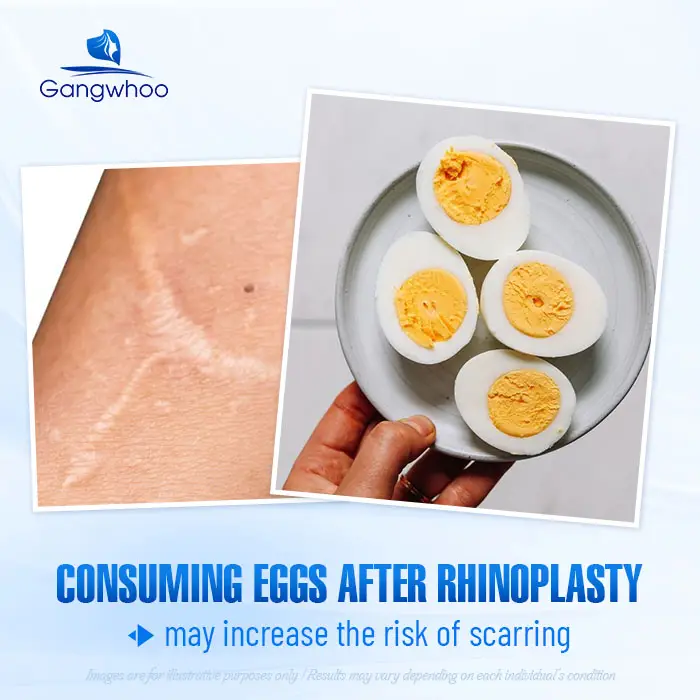
- Supports tissue healing but may cause irritation: Eggs are rich in protein, aiding tissue repair, but eating them too early or in the wrong form may trigger irritation, increase inflammation, or cause fluid retention around the incision.
- Impact on jaw and nose area: Chewing can affect the delicate nasal structure during early recovery days.
- Risk of excessive scarring: High protein intake too early may over-stimulate collagen production, increasing the risk of scars.
- Avoid other risky foods: Post-rhinoplasty, it is advisable to avoid “heavy” protein foods or highly stimulating foods to allow the wound to stabilize.
How Long After Rhinoplasty Can You Eat Eggs?
Answering “how long after rhinoplasty can you eat eggs” depends on several factors: wound healing speed, swelling level, doctor’s instructions, and individual recovery rate.
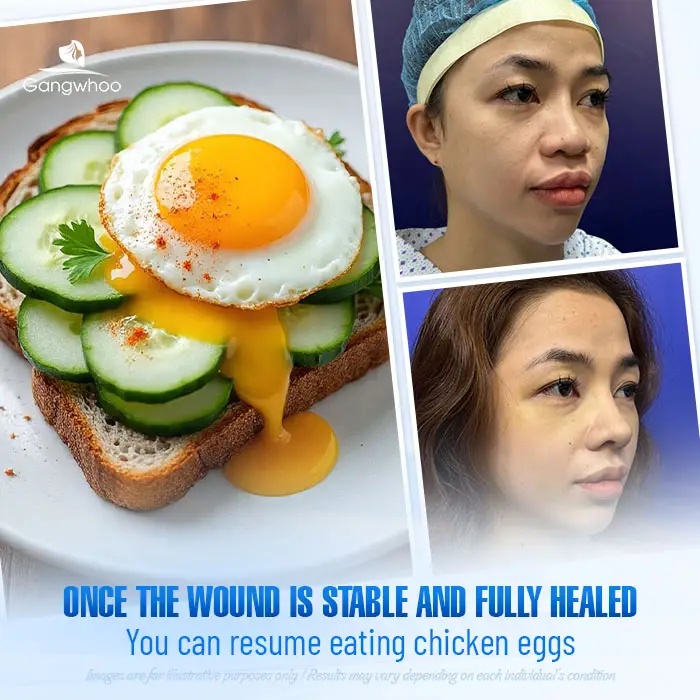
- During the first week: gradually introduce soft foods if they do not put pressure on or irritate the nose.
- After 2–4 weeks (once the wound is more stable): depending on individual recovery, the doctor may allow increasing egg intake if there are no signs of inflammation or swelling.
- Individualized approach: For structural rhinoplasty or nasal implants, or if complications such as prolonged swelling or fluid accumulation occur, the waiting period for eggs may be longer – follow your surgeon’s instructions.
How to Eat Eggs Safely After Doctor Approval
Once the doctor confirms that your nasal wound is stable, eggs can be reintroduced into your diet by following these steps to ensure safety, minimize swelling, and support wound healing:
1. Choose “soft” egg forms

- Soft-boiled eggs: Boil until just cooked so the yolk and white remain soft. Avoid hard-boiled eggs as they require strong chewing, putting pressure on the jaw and nose.
- Steamed eggs: Retain moisture, are soft and easy to digest, suitable for initial days of reintroducing eggs.
- Lightly scrambled eggs: Beat eggs before cooking and cook lightly. This form is easy to chew, reducing mechanical impact on the nose and minimizing swelling.
- Note: Avoid deep-fried, heavily seasoned, or raw eggs as they are difficult to chew and carry a higher risk of inflammation.
2. Control egg temperature
- Eating very hot eggs may trigger swelling or discomfort around the nose.
- It’s best to let eggs cool to room temperature before eating.
- Warm eggs are acceptable, but avoid excessively hot eggs to prevent nasal blood vessel dilation and limit swelling.
3. Start with a small amount
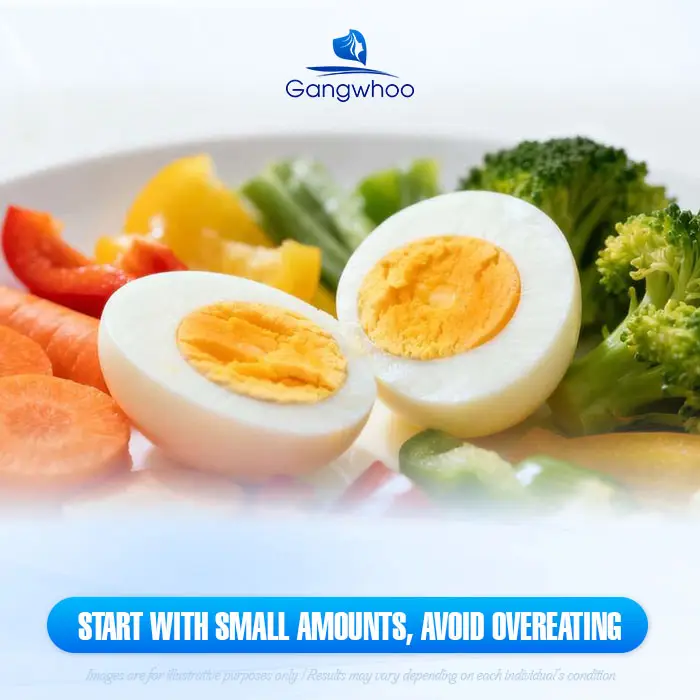
- Start with a small portion: ½ egg or one lightly scrambled egg.
- Eat gradually and monitor your body and nose’s reaction within 24 hours.
- If there is no swelling, redness, pain, or discomfort, gradually increase the amount in subsequent meals.
- Avoid eating too many eggs at once to prevent pressure on the nose or digestive discomfort, which can affect recovery.
4. Observe nasal reactions
- After each meal, check your nose for:
- Swelling or redness
- Pain or tightness
- Excess fluid or bleeding
- If any abnormal signs appear, stop eating eggs immediately and contact your doctor.
- Document these reactions for your doctor to adjust the timing and quantity of eggs according to your recovery.
5. Combine with post-operative care
- Nasal hygiene: Use saline solution or doctor-recommended solution gently to avoid infection.
- Medication adherence: Follow prescribed anti-inflammatory or anti-swelling medications strictly.
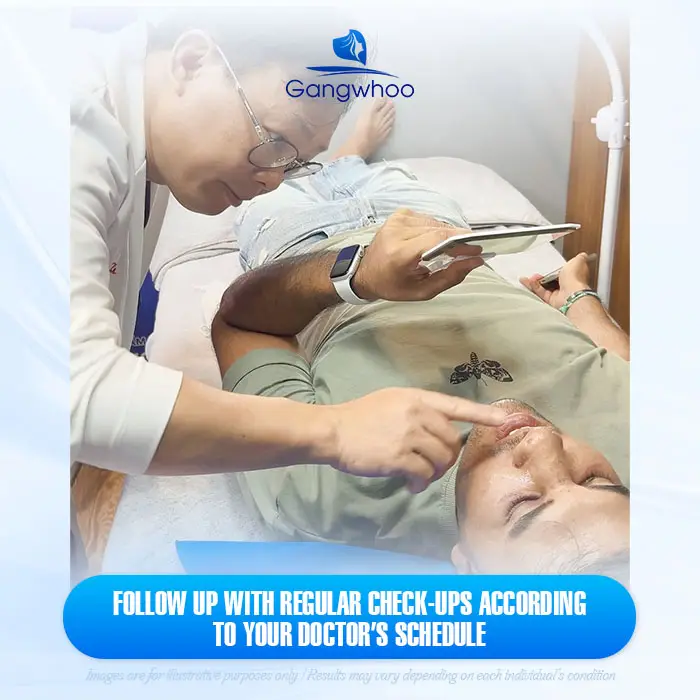
- Regular check-ups: Attend appointments to assess wound progress and adjust diet.
- Keep head elevated while sleeping: Reduces swelling and fluid accumulation around the nose.
- Avoid vigorous activity and collisions: Even when eating eggs, avoid strong chewing or bending head too low.
Recommended Foods During Post-Rhinoplasty Recovery
After rhinoplasty, nutrition plays a crucial role in promoting wound healing, reducing swelling, and maintaining long-term aesthetic results. Besides eggs, focus on the following:
1. Soft, easy-to-chew foods

- Purpose: Reduce jaw pressure and minimize mechanical impact on the delicate nose.
- Suggested foods:
- Porridge or soup: chicken porridge, lean meat porridge, vegetable soup – easy to digest and rich in protein and vitamins.
- Soft oatmeal or cereal: provides energy and fiber, supporting digestion.
- Yogurt and soft dairy products: protein, calcium, and probiotics enhance recovery and immunity.
- Note: Consume foods in a soft form, chew gently, and avoid hard or crunchy foods requiring strong chewing – which can affect wound healing.
2. Foods rich in vitamins and minerals
- Vitamin C: Citrus fruits, kiwi, strawberries – promote collagen synthesis, aid wound healing, and reduce scarring.
- Green vegetables: Spinach, broccoli – provide vitamins, minerals, and fiber to boost immunity and reduce inflammation.
- Fatty fish: Salmon, mackerel, sardines – rich in omega-3, reduce inflammation, and support tissue regeneration.
- Nuts and legumes: Soy, almonds, walnuts – provide plant protein and vitamin E to soften skin and aid nasal recovery.
- Note: Introduce gradually alongside eggs, starting with small amounts, and monitor nasal response, especially in the first week post-surgery.
3. Limit stimulatory or high-risk foods

- Spicy, salty, heavily seasoned foods: may increase swelling, redness, and pressure on the nose, prolonging recovery.
- Water spinach and hard-to-digest or undercooked high-protein foods: may cause uneven healing or keloid scars.
- Hard, crunchy foods: snacks, roasted seeds, tough meat – require strong jaw pressure, affecting the delicate nasal structure.
- Alcohol and caffeine: dilate blood vessels, increase swelling risk, and impede recovery.
4. Overall principles
- Introduce protein and vitamin-rich foods gradually, from soft to harder foods according to recovery progress.
- Maintain a balanced diet: protein, vegetables, grains, healthy fats.
- Monitor your body and nasal reactions after each meal to adjust your diet, especially when adding eggs.
- Follow your doctor’s instructions regarding timing for different foods, avoiding early consumption of foods that may cause swelling or slow healing.
Answering the question “how long after rhinoplasty can you eat eggs” depends not only on timing but also on individual recovery speed and doctor guidance. Consuming eggs properly – soft, small portions, and monitoring nasal reactions – combined with a diet rich in vitamins, minerals, and other soft foods, helps the wound heal quickly, reduces swelling, and maintains natural, long-lasting rhinoplasty results. At Gangwhoo Hospital, with experienced doctors and professional post-operative care, you will receive detailed guidance to ensure safety and optimize aesthetic outcomes.