
In post-rhinoplasty care, one of the most common yet anxiety-inducing questions is surprisingly simple: “How long after a nose job can I eat balut?” In Vietnam, eggs—especially balut—are often included in the list of foods patients are advised to avoid “just to be safe” after surgical procedures.
Based on post-operative care experience at aesthetic surgery centers, including Gangwhoo Aesthetic Hospital, this article will clearly explain when balut can be safely eaten again, why many patients are advised to avoid it initially, and what to do if you happen to eat it earlier than recommended.
How long after rhinoplasty can you eat balut?
If you are looking for a general timeframe that is practical and safe for most people—especially those prone to scarring, hyperpigmentation, or food sensitivity—it is usually reasonable to consider after about 2–4 weeks, when the incision has healed well, swelling has significantly reduced, and follow-up examinations show good recovery.
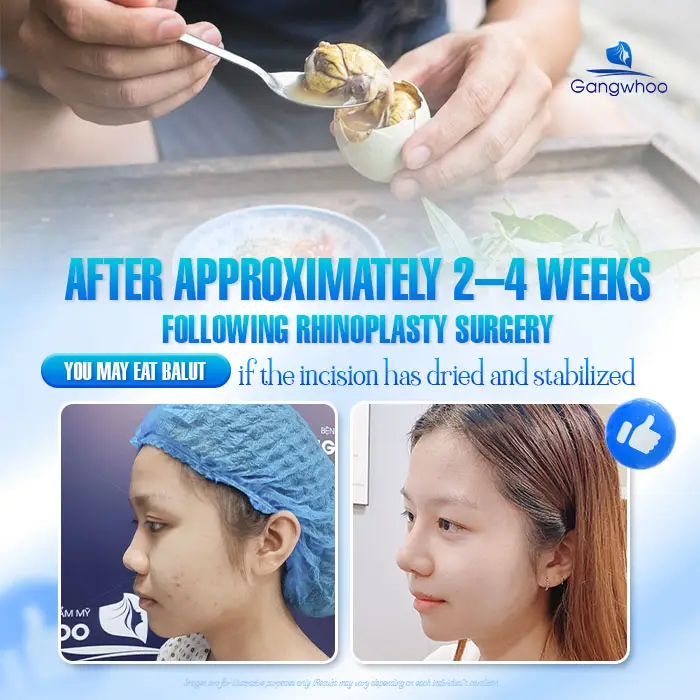
However, from a nutritional perspective, eggs are actually a valuable source of protein that supports wound healing. Many postoperative nutrition guidelines from the UK’s National Health Service (NHS) list eggs as an important protein source that helps the body build and repair tissues.
Therefore, the medically accurate answer is that there is no single fixed timeline that applies to everyone. The appropriate time to eat balut depends on the rhinoplasty technique used, wound-healing speed, individual allergy history, and personalized instructions from your surgeon.
Why are many patients advised to avoid eggs (especially balut) after rhinoplasty?
1. Risk of itching or irritation in sensitive individuals
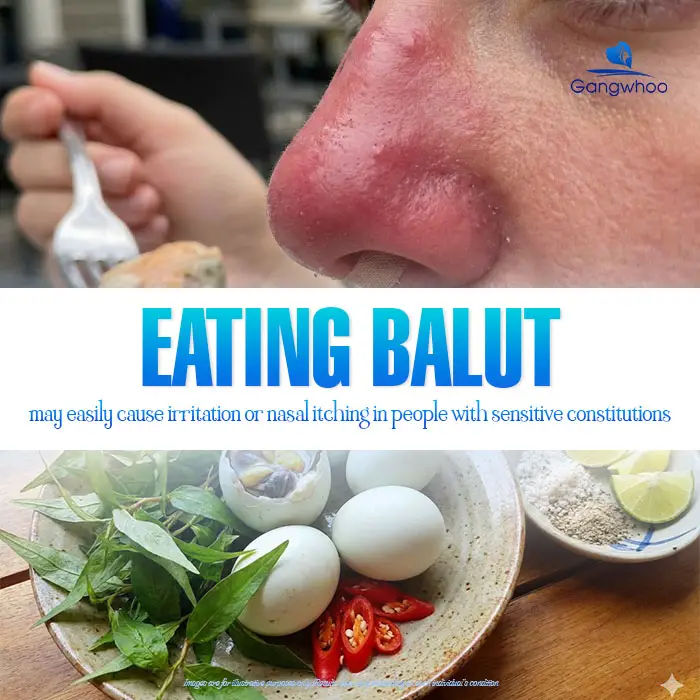
In Vietnam, many dietary restrictions are based on clinical experience and observation. Certain foods may cause itching, rashes, or discomfort while the body is healing from surgery. Medlatec has published postoperative guidance that mentions avoiding eggs (along with other foods) during wound care.
The key point is that itching or irritation does not occur in everyone. However, if you have a history of food allergies, atopic dermatitis, or sensitive skin, waiting until recovery is more stable often provides greater safety and peace of mind.
2. Concerns about dark scars or discoloration—viewed from a medical perspective
Many people believe that eating eggs can cause scars to darken or spread unevenly. Medically speaking, scar color and quality are influenced primarily by inflammation level, infection, wound care, UV exposure, and individual skin type (post-inflammatory hyperpigmentation tendency), rather than by any single food.
That said, in the early postoperative period after rhinoplasty, if a food causes itching that leads to scratching or touching the face, or results in discomfort and poor sleep, it may indirectly hinder recovery. This is why many doctors still recommend selective avoidance, especially for sensitive patients.
3. Balut is often eaten with ingredients that may cause discomfort

Balut is typically eaten hot and accompanied by Vietnamese coriander, ginger, salt, and pepper. For some individuals, these additions can create a sensation of “internal heat,” facial flushing, or discomfort. During periods of swelling, the body benefits from stability, good sleep, and gentle digestion. Therefore, although eggs can be a good protein source, balut is often approached more cautiously in the early postoperative phase.
Protein supports wound healing—so how are eggs beneficial after rhinoplasty?
After surgery, the body needs building materials to regenerate tissue, and protein is fundamental. NHS nutrition guidelines emphasize that protein is essential for tissue growth and repair (skin, muscles, and other tissues), and list eggs as a key protein source.
Postoperative care materials from the Veterans Health Library (VA) also state that proper nutrition helps the body build and repair tissues and heal wounds, recommending a protein-rich diet under medical guidance.
This leads to a practical conclusion: if you do not have allergies or itching and your incision is healing well, eggs in general are not a “bad food” after rhinoplasty. The key is choosing the right timing, appropriate preparation, and monitoring your body’s response.
When should balut be avoided for a longer period?
In postoperative care at Gangwhoo Aesthetic Hospital, the following patients are often advised to be more cautious with potentially irritating foods (including eggs) until nasal recovery is clearly stable:
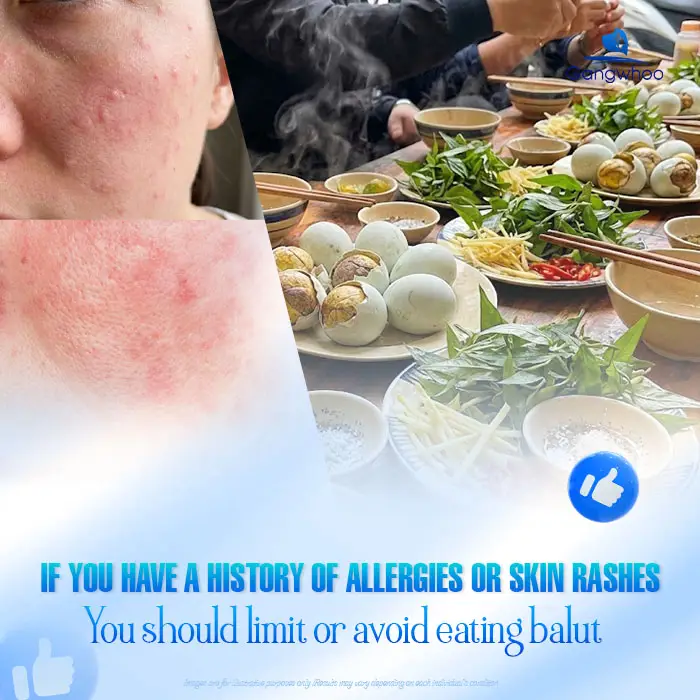
Patients with a history of egg allergy or frequent food-related rashes; those in the early stage with significant swelling and an incision that has not fully dried; or those showing signs of abnormal inflammation such as increasing redness, pain, warmth, or discharge. In these cases, the priority is not whether you can eat balut yet, but rather attending follow-up appointments as scheduled and monitoring wound healing.
Regarding recovery milestones, some domestic medical sources note that suture removal after rhinoplasty typically occurs around 10–15 days (depending on technique and individual healing). This serves as a reference point indicating that soft tissues are still sensitive, and surgeons will assess healing before advising a return to a more normal diet.
If you eat balut early after rhinoplasty, is it dangerous?
In most cases, eating balut once by accident does not determine the final outcome of your nose. The key is to remain calm and monitor both your body and the surgical site.
If no unusual symptoms occur, simply return to an appropriate postoperative diet and continue proper care. However, if you experience severe itching, rashes, rapidly increasing swelling, redness, warmth, or abnormal discharge, you should contact your surgical facility for guidance. Proper wound care, hygiene, and timely follow-up visits are essential for early detection of potential issues.
What should you eat after rhinoplasty for stable healing and natural results?
After rhinoplasty, the body needs time to heal wounds and regenerate soft tissue. Nutrition during this period plays a crucial role, affecting swelling reduction, scar quality, and long-term nasal stability. A reasonable diet does not need to be overly restrictive, but should ensure adequate protein, easy digestion, and avoidance of foods that may cause irritation.
From a medical standpoint, protein is essential for tissue repair and collagen formation. Postoperative nutrition guidelines from the NHS (UK) and Veterans Health Administration – VA (USA) emphasize that protein deficiency can delay wound healing. Therefore, patients should not completely avoid protein after rhinoplasty, but instead choose sources appropriate to their individual tolerance.

In clinical practice—particularly at Gangwhoo Aesthetic Hospital—easily digestible, low-irritation protein sources are often recommended, such as lean fish, softly prepared lean meats, tofu, and yogurt. Additionally, vegetables and fruits rich in vitamin C support collagen synthesis, while adequate hydration helps soft tissues recover more effectively.
For foods that raise concern, such as balut, although it is still a protein source, many doctors advise delaying consumption during the early sensitive phase—especially for patients prone to itching or worried about scarring. During this time, gentler protein sources can be used, and eggs can be reintroduced once nasal healing is clearly stable and follow-up results are favorable.
Most importantly, postoperative nutrition should be individualized. Following your surgeon’s instructions, observing your body’s reactions, and attending scheduled follow-ups will help ensure safe recovery, stable healing, and natural-looking results.
For the question “How long after rhinoplasty can you eat balut?”, the safest and most medically appropriate answer is: you may consider after 2–4 weeks once the incision is stable and follow-up evaluations are positive. Eggs are beneficial protein sources according to many postoperative nutrition guidelines, but balut, due to its typical accompaniments and warming effect, may cause discomfort for some individuals in the early phase.
If you need personalized advice based on your rhinoplasty method and wound condition, you can visit Gangwhoo Aesthetic Hospital for professional evaluation and tailored dietary guidance—because individualized care is what truly determines fast healing, stability, and safe aesthetic outcomes.