
“How long after jaw shaving can I eat?” is a question I receive very frequently from patients both before and after surgery. This is not only a daily living concern, but it also directly affects recovery speed, bone healing, and the long-term aesthetic outcome of jaw shaving surgery.
From the perspective of a maxillofacial surgeon, I would like to share clear, scientific, and easy-to-understand guidance so that you can eat properly – eat safely – and avoid affecting your jaw shape after surgery.
How long after jaw shaving can you eat?
After jaw shaving surgery, patients can consume a liquid diet within the first 24–48 hours, transition to soft foods after about 2–3 weeks, and return to an almost normal diet from week 6–8.
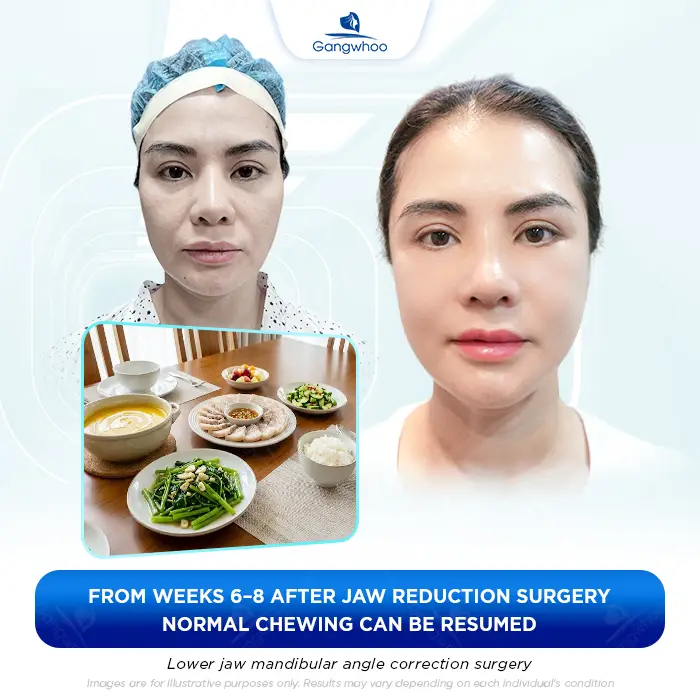
However, there is no fixed timeline that applies to everyone. The timing of returning to normal eating depends on the extent of bone intervention, surgical technique, bone healing ability, and how well post-operative instructions are followed.
Why is it important to know how long after jaw shaving you can eat?
During jaw shaving surgery, the surgeon works directly on the lower jaw bone and creates an incision inside the oral cavity. After surgery, the bone needs time to stabilize and heal, while the soft tissues require time to reduce swelling and recover.
If chewing is resumed too early, the pressure placed on the jaw area may prolong swelling, cause pain while eating, and even affect jaw bone stability during the early recovery stage. This is why understanding how long after jaw shaving you can eat is extremely important.
How long after jaw shaving can you eat according to each recovery stage?
1. First 1–3 days after jaw shaving
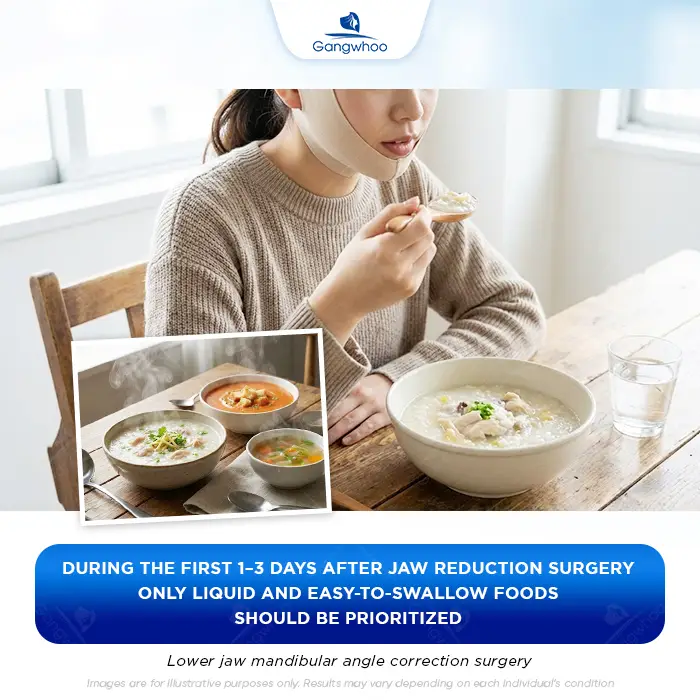
During the first 24–72 hours, patients should only consume a liquid diet. At this stage, the jaw is still significantly swollen, mouth opening is limited, and the intraoral incision is very sensitive. Liquid foods help reduce pressure on the jaw bone, minimize pain, and lower the risk of infection.
2. From day 7–14 after jaw shaving
As swelling gradually decreases, patients may transition to pureed foods or thick porridge. Even though discomfort is reduced, patients should avoid chewing and refrain from opening the mouth widely. At this stage, the jaw bone is beginning to stabilize but is not yet strong enough to withstand chewing forces.

3. From week 3–6 after jaw shaving
From the third week onward, patients can eat soft foods that are finely chopped and require minimal chewing. This is the stage when many people ask “how long after jaw shaving can I eat rice?”. The answer is that soft or well-cooked rice is allowed, but chewing must remain very gentle and slow.
According to post-operative maxillofacial surgery guidelines from the UK National Health Service (NHS), a soft-food diet is often recommended to be maintained for at least 6 weeks to ensure stable bone healing.
4. After 6–8 weeks: When can you eat almost normally?
Typically, from week 6 to week 8, if recovery is progressing well, patients may gradually increase chewing intensity and return to an almost normal diet. However, this must be evaluated through follow-up visits and clinical examinations, and patients should not consume hard foods without medical approval.
How long after jaw shaving can you eat rice?

Eating rice is an important daily milestone and a common concern. In practice, soft rice can usually be introduced around week 3–4, provided it is well-cooked, eaten slowly, and without forceful chewing.
Eating rice normally with comfortable chewing is generally recommended only after 6–8 weeks, once the jaw bone has become more stable. For complex jaw shaving cases or combined bone contouring procedures, this timeline may be longer.
How long after jaw shaving can you eat hard or chewy foods?
Hard or chewy foods that require strong biting force—such as tough meat, cartilage, hard seafood, or fried crispy foods—usually need to be avoided longer than rice. These foods exert significant chewing pressure, which can cause pain and negatively affect the healing jaw bone.
In most cases, I recommend patients wait at least 2–3 months before consuming hard foods, when mouth opening and chewing are completely comfortable and pain-free.
When can you eat completely normally after jaw shaving?
“Eating normally” does not only mean being able to eat many types of food, but also eating without pain, chewing without fatigue, and opening the mouth naturally. For most patients, this stage occurs around 8–12 weeks after surgery, depending on individual healing ability and post-operative care compliance.
Regular follow-up visits allow the surgeon to accurately determine the safest time to fully resume a normal diet.
Post-operative care guidelines to heal faster and return to normal eating sooner
In addition to understanding how long after jaw shaving you can eat, proper post-operative care plays a decisive role in reducing swelling, promoting bone healing, and shortening dietary restrictions. Clinically, patients who strictly follow care instructions tend to recover faster and more stably.
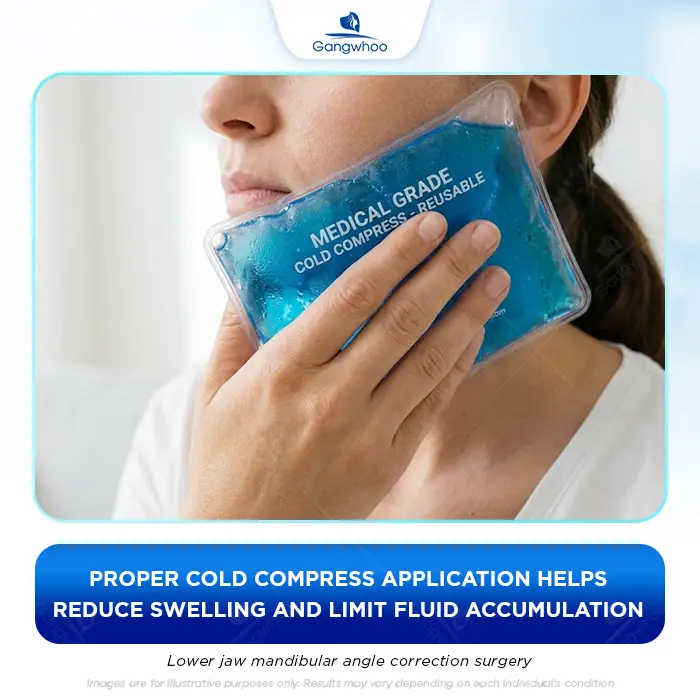
In the early days after surgery, proper cold compress application helps reduce swelling and fluid accumulation. Cold compresses should be applied intermittently and not for prolonged periods to avoid skin damage. Later, warm compresses may be used as directed to improve circulation and reduce swelling.
Oral hygiene is especially important because the incision is inside the mouth. After each meal, patients should gently rinse with an antiseptic solution prescribed by the doctor and brush teeth carefully, avoiding strong contact with the surgical area. Maintaining oral cleanliness helps prevent infection and prevents prolonging the chewing restriction period.
Lifestyle habits also directly affect recovery. During the first 2–3 weeks, patients should rest adequately, avoid strenuous activities, refrain from bending the head low, and avoid opening the mouth too wide. Sleeping with the head elevated helps reduce swelling and tightness in the jaw area.
Additionally, attending follow-up appointments on schedule is essential. Through clinical evaluation, the doctor can assess bone and soft tissue healing and advise the appropriate time to transition from liquid to soft foods and eventually normal chewing. This ensures safety and minimizes complications.
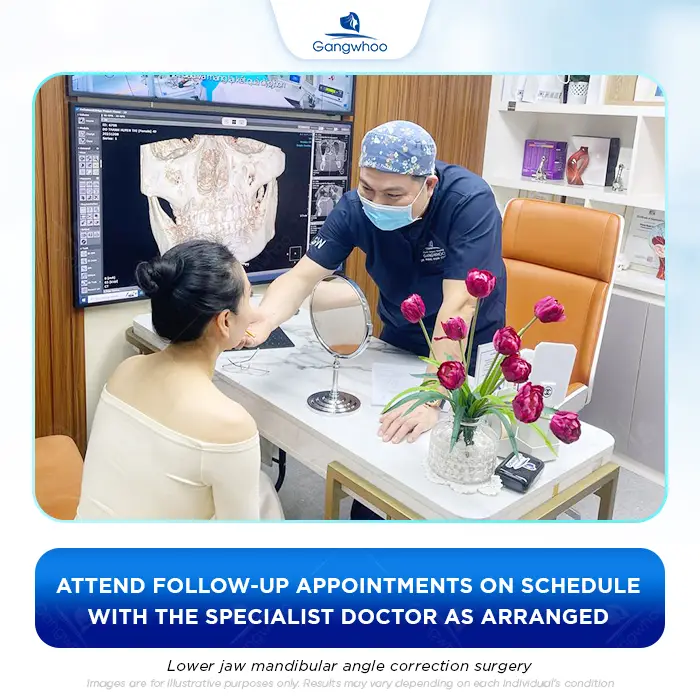
Proper post-operative care not only facilitates smooth recovery but also directly determines how long after jaw shaving you can eat in real life. The better you follow medical instructions, the shorter and safer the dietary restriction period will be.
Warning signs when eating after jaw shaving that require immediate medical attention
If during eating you experience increasing pain, persistent swelling, foul-smelling discharge, or progressively limited mouth opening, you should seek medical evaluation immediately. These may indicate infection or issues in the jaw bone healing process.
How long after jaw shaving you can eat depends on the recovery stage, surgical extent, and adherence to post-operative care. Eating at the right time and in the right way not only helps the jaw bone stabilize faster but also ensures long-term aesthetic safety. To receive proper evaluation and a personalized recovery and dietary plan from a maxillofacial specialist, it is essential to choose a reputable medical facility with experienced surgeons. Gangwhoo Aesthetic Hospital places great emphasis on close post-operative monitoring, detailed care guidance, and individualized follow-up, helping patients recover smoothly and return to normal daily life and eating safely.