
How long after hymenoplasty can you have intercourse? This is a question that many women are concerned about after undergoing hymen restoration surgery. Quite a few people believe that as soon as the wound stops hurting, they can resume normal sexual activity. However, in reality, the recovery time of the hymen depends not only on subjective feelings but also on tissue healing, the body’s regenerative capacity, and surgical technique.
According to Dr. Du Phuong Thuy Vy – Medical Director at Gangwhoo Cosmetic Hospital, most cases should abstain from intercourse for 6–8 weeks following hymenoplasty. This provides sufficient time for tissues to fully heal, dissolvable sutures to stabilize, and minimizes the risk of suture tearing or infection. However, the exact timing still needs to be evaluated by a doctor during a follow-up exam rather than relying solely on the number of weeks post-surgery.
In the article below, the doctor will help you understand the recovery timeline after hymenoplasty, reasons for sexual abstinence, signs that the surgical area has healed, and proper care tips to achieve the best results.
How long after hymenoplasty can you have intercourse?
For most patients, the recommended time to abstain from intercourse after hymenoplasty is approximately 6–8 weeks. This period is essential for the vaginal mucosa and hymenal tissue to regenerate, connective tissues to regain adequate strength, and the surgical site to stabilize.
Although many individuals feel almost no pain after 2–3 weeks, this does not mean the internal tissue structure has fully recovered. Engaging in sexual activity too early creates mechanical friction that can cause the stitches to rupture, tear the newly reconstructed hymen, and compromise the surgical outcome.
Based on clinical experience at Gangwhoo Cosmetic Hospital, the recovery process progresses through specific stages.
1. The first week after surgery

During the first 3–7 days, the intimate area commonly experiences mild swelling, tightness, or a small amount of light pink discharge. This is a normal physiological response of the body following surgical intervention.
During this phase, patients should minimize excessive walking, avoid vigorous activity, and strictly abstain from sexual intercourse. Additionally, cleaning the area properly according to instructions and taking prescribed medication will help reduce the risk of infection.
2. From week two to week four
After about two weeks, swelling decreases significantly, tissues begin to produce collagen, and stronger structural bonds form. Dissolvable stitches also gradually absorb through the body’s natural mechanisms.
This is a phase where many women become overly confident because the pain is virtually gone. However, the structure of the hymen is still in the process of maturing. Attempting intercourse at this point still carries a very high risk of damage.
3. From week six to week eight
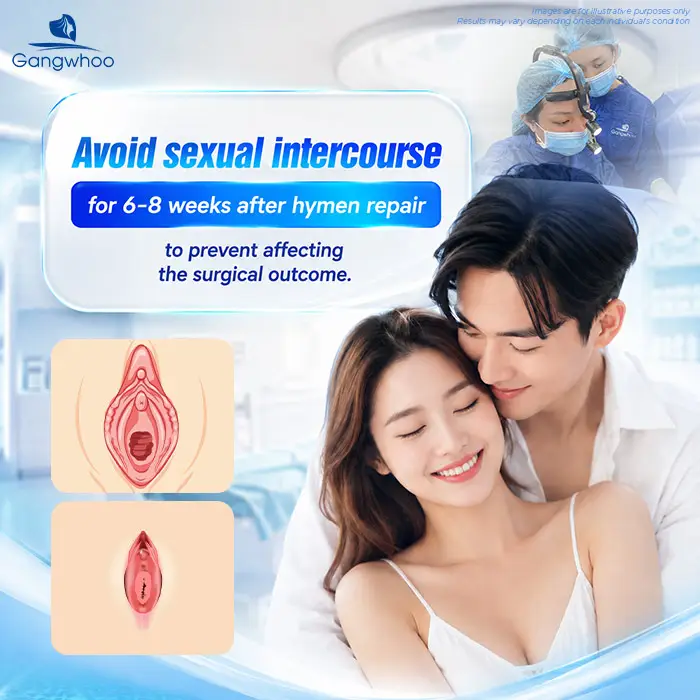
By this time, most cases have recovered well. Soft tissues achieve stability, the surgical area returns nearly to its normal state, and the doctor may evaluate the patient as ready to resume sexual activity.
However, you should not decide to resume intercourse based solely on time elapsed. Before engaging in sexual intercourse again, women should attend a follow-up examination so the doctor can assess tissue integrity and confirm that the hymen has fully healed.
Cases requiring a longer abstinence period

Not every patient has the same recovery timeline. In reality, some cases require extending sexual abstinence beyond 8 weeks to ensure complete safety.
This typically applies to individuals with slow wound-healing tendencies, those with a history of gynecological infections, smokers, or patients with underlying conditions that impair tissue regeneration, such as diabetes.
Furthermore, the specific hymenoplasty technique performed also affects recovery time. Cases requiring multi-layer reconstruction or repair on severely damaged tissue often need additional time to achieve optimal results.
According to Dr. Du Phuong Thuy Vy, adhering to scheduled follow-up visits is critical. The doctor will directly assess tissue strength and wound healing to determine the appropriate time to resume sexual activity, rather than applying a blanket timeframe for everyone.
Note: Even if 6–8 weeks have passed, if you still experience pain, abnormal discharge, or signs of infection, you must refrain from sexual intercourse until examined and cleared by a doctor.
Why is sexual abstinence necessary after hymenoplasty?
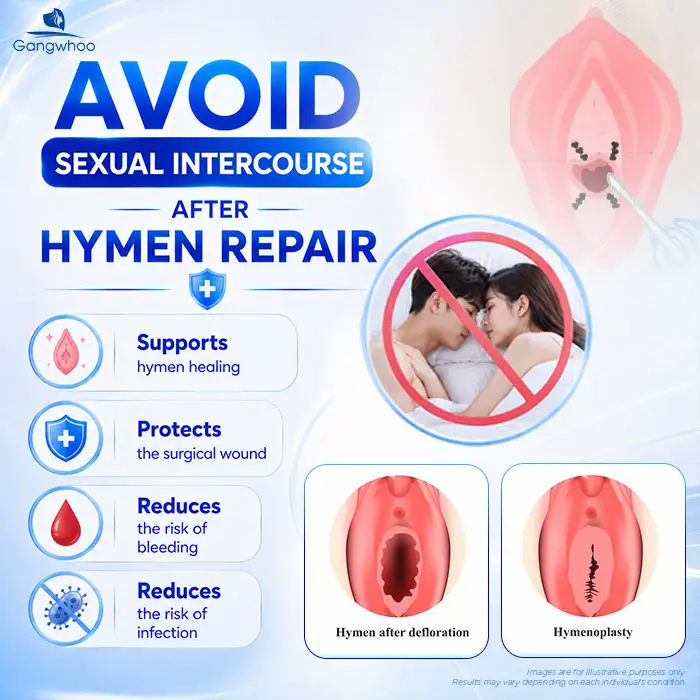
Many women assume that hymenoplasty is merely a simple minor procedure and that they can quickly return to normal activities. However, from a medical standpoint, it remains a soft-tissue procedure aimed at reconstructing the hymenal structure. Therefore, the body needs sufficient time for connective tissues to stabilize and recover.
If sexual intercourse occurs too early, mechanical forces during intercourse can tear the newly reconstructed hymen before it reaches necessary tensile strength. Beyond ruining the surgical outcome, this increases the risk of bleeding, infection, and prolonged treatment timelines.
In addition, abstaining from intercourse helps prevent bacteria from entering the surgical site. During the initial recovery phase, the tissue system remains extremely sensitive. Any trauma or bacterial contamination can disrupt healing and potentially require secondary corrective procedures.
Based on clinical experience at Gangwhoo Cosmetic Hospital, patients who strictly follow post-operative care instructions—especially regarding sexual abstinence—tend to recover faster, experience fewer complications, and achieve more natural aesthetic outcomes.
What happens if you have sex too early after hymenoplasty?
A common mistake is assuming that as long as there is no pain, it is safe to have sex again. However, medically speaking, comfort only indicates surface improvement, while underlying connective tissues are still actively regenerating. Engaging in sexual intercourse before complete recovery significantly elevates the risk of complications.
According to Dr. Du Phuong Thuy Vy – Medical Director at Gangwhoo Cosmetic Hospital, adhering strictly to the abstinence period not only protects surgical results but also minimizes the need for secondary medical intervention.
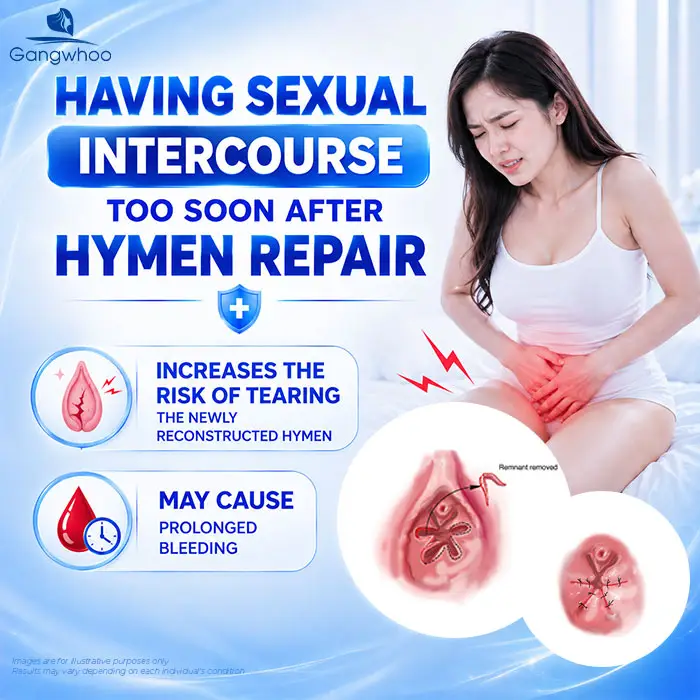
1. Tearing of the newly restored hymen
After hymenoplasty, the edges of the hymen are connected using specialized surgical sutures. During the initial weeks, tissue bonding is not yet strong enough to withstand the mechanical forces of sexual intercourse.
Premature intercourse can stretch or break the sutures, causing the reconstructed hymen to tear. As a result, the aesthetic outcome is compromised, and in some cases, patients must undergo another surgery if they wish to restore it again.
2. Prolonged bleeding
A small amount of light pink blood during the first few days post-surgery is normal. However, if sexual intercourse occurs before the wound heals, friction can damage newly formed capillaries, causing heavier bleeding than usual.
Besides causing anxiety, this condition delays wound healing and increases the risk of bacterial infection if not managed properly.
3. Increased risk of infection
During early recovery, the intimate area is far more vulnerable than usual. Premature intercourse allows bacteria to enter the surgical site, leading to potential infections.
Common symptoms include worsening pain, foul-smelling or abnormally colored vaginal discharge, or fever. Left untreated, infection can impair surgical results and overall gynecological health.
4. Pain during intercourse
Even after the wound appears closed, tissues need additional time to regain natural elasticity. Therefore, having sex too soon can cause burning sensations, discomfort, or lingering tightness following intercourse.
In many instances, this discomfort leads to psychological anxiety and stress surrounding intimacy, negatively affecting future sexual health and well-being.
5. Potential need for a second hymenoplasty procedure
If the hymen tears completely during the unhealed phase, repairing it is often more challenging than the initial procedure due to compromised tissue quality. This means patients may need to undergo another minor surgery, incurring additional costs, recovery time, and higher risks of complications.
For this reason, at Gangwhoo Cosmetic Hospital, patients receive explicit post-operative guidelines and regular follow-up care to ensure a smooth recovery process.
What to avoid after hymenoplasty for fast recovery and optimal results?
Besides asking how long after hymenoplasty can you have intercourse, many women also wonder what habits or activities to avoid for rapid wound healing and minimal complication risk. In fact, post-operative care directly impacts recovery speed and the final aesthetic outcome of the restored hymen.
According to Dr. Du Phuong Thuy Vy – Medical Director at Gangwhoo Cosmetic Hospital, strictly following care guidelines during the initial weeks is a decisive factor in helping the hymen heal naturally, reducing infection risks, and avoiding secondary interventions.
1. Abstain from sexual intercourse until cleared by a doctor
This is the most crucial rule following hymenoplasty.
Having sex too early can disrupt newly formed tissue connections, trigger bleeding, cause pain, or completely undo surgical results. Even if you feel no pain, do not assume it is safe, as internal tissues may not have regained adequate tensile strength.
Typically, doctors schedule a follow-up clearance exam before approving the resumption of sexual activity to ensure complete recovery of the surgical site.
2. Avoid strenuous physical activity during early weeks

Activities that exert pressure on the pelvic floor—such as high-intensity running, heavy weightlifting, long-distance cycling, or horseback riding—can strain surgical sutures.
These movements increase pelvic pressure, stretching newly formed tissues and delaying the healing process.
During the first 2–4 weeks, prioritize gentle walking and resume regular workout routines only with your physician’s approval.
3. Keep the intimate area clean and dry
Proper hygiene significantly lowers post-operative infection risks.
Clean the intimate area using clean water or a physician-recommended intimate wash, gently pat dry with a soft towel, and change underwear frequently. Avoid deep vaginal douching or harsh chemical cleansers that can disrupt natural vaginal flora balance.
Choosing breathable, moisture-wicking cotton underwear also maintains ventilation, fostering an optimal environment for healing.
3. Do not soak in bathtubs or swim in pools

During early recovery, the surgical region remains highly sensitive. Prolonged soaking in bathwater or swimming increases the risk of bacterial introduction to the healing site.
Instead, take showers and avoid exposing the area to public water sources until your doctor confirms complete wound closure.
4. Comply with prescribed medications and follow-up schedules
Antibiotics, pain relievers, or anti-inflammatory drugs prescribed post-surgery serve to support healing and prevent complications.
Do not stop taking medication prematurely simply because symptoms improve, nor should you self-medicate without professional guidance.
Attending scheduled follow-up visits allows your surgeon to monitor healing progress, evaluate surgical results, and offer tailored guidance for each recovery stage.
How to speed up recovery after hymenoplasty?
In addition to proper abstinence and care, adopting a healthy lifestyle helps shorten recovery time.
Clinical observations at Gangwhoo Cosmetic Hospital show that patients who focus on overall health management experience better tissue regeneration and more stable aesthetic results.
1. Consume adequate protein

Protein plays a vital role in tissue repair and collagen synthesis.
Post-surgery, incorporate protein-rich foods such as lean meats, fish, eggs, dairy, soy, and nuts to facilitate wound repair.
2. Increase intake of vitamins and minerals
Vitamin C promotes collagen synthesis, while vitamin A, vitamin E, and zinc support epithelial regeneration, reduce inflammation, and accelerate wound healing.
A diet rich in green vegetables, fresh fruits, and whole grains enhances overall wellness and speeds up post-surgical recovery.
3. Stay well-hydrated
Water is essential for cellular metabolism and tissue repair.
Maintaining adequate daily fluid intake ensures soft tissues stay hydrated, aids in waste elimination, and prevents constipation—a condition that increases pelvic floor strain.
4. Get adequate rest
Quality sleep enables the body to produce growth hormones and repair damaged tissues.
During initial recovery weeks, aim for 7–8 hours of sleep per night, avoid staying up late, and refrain from overexertion.
5. Maintain a positive mindset
Psychological factors also influence post-surgical healing capacity.
Staying relaxed and avoiding prolonged stress supports hormonal stability, fostering optimal wound healing conditions.
Beyond the question of “how long after hymenoplasty can you have intercourse,” choosing the right medical provider directly impacts long-term success.
A medical facility meeting high standards of expertise, sterile environments, and structured post-operative care reduces complication risks while ensuring a safer treatment experience.
At Gangwhoo Cosmetic Hospital, hymenoplasty is performed within a comprehensive protocol involving pre-surgical consultation, health evaluation, tailored technique selection, and close post-operative monitoring. Patients receive detailed instructions regarding self-care, follow-up visits, and warning signs to watch for during recovery, optimizing outcomes and providing peace of mind throughout treatment.