
After a nose job, many patients wonder: “How Long After a Nose Job Can You Fly?” This question is especially common among people who frequently travel for work, leisure, or live far from the surgery clinic. Flying too soon after rhinoplasty can cause swelling, bleeding, pain, and displacement of the nasal structure due to cabin pressure and prolonged sitting.
As Dr. Tran Kim Thach, Specialist in Rhinoplasty – Deputy Director of Medical Affairs at Gangwhoo Cosmetic Hospital, I have encountered many cases where patients flew too early and experienced complications ranging from mild to severe. In this article, we provide a detailed guide on the safe timeframes for flying after rhinoplasty, distinguishing between domestic and international flights, as well as important precautions and situations when flying is not recommended, all based on medical evidence and clinical experience.
Relevant keywords included throughout this article: can I fly after rhinoplasty, flying after nose surgery, nose job recovery and flying, how long after a nose job can I take a domestic flight, how long after a nose job can I take an international flight.
Can You Fly After a Nose Job? Key Determining Factors
Flying after nasal surgery is not strictly prohibited, but it requires sufficient recovery time for safety. Key factors to consider include:
1. Effect of Cabin Pressure on Flying After Rhinoplasty
In an airplane cabin, air pressure is slightly lower than at ground level. According to the CDC (U.S.), this pressure change may cause:
- Increased nasal mucosa congestion
- Nasal and sinus pain
- Risk of bleeding in newly operated areas
For someone who just had a nose job, the soft tissues are swollen and cartilage structures are not fully stable, making the nose more sensitive to pressure changes.
2. Why You Should Not Fly Immediately After Nose Surgery
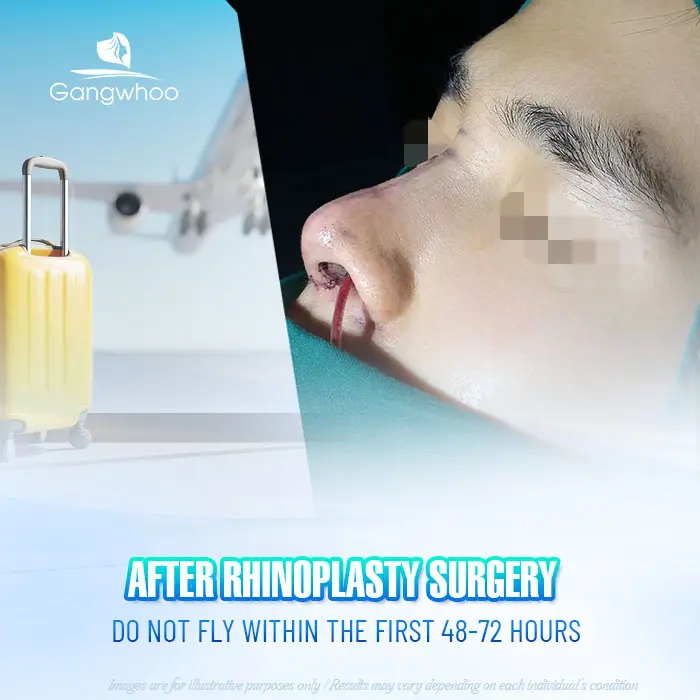
- Surgical wounds are not yet stable and may bleed
- Soft tissues are swollen and prone to fluid accumulation
- Prolonged sitting reduces blood circulation → increased risk of deep vein thrombosis
- Nose is vulnerable to bumps when moving luggage or boarding the plane
Therefore, patients should absolutely avoid flying during the first 48–72 hours post-surgery.
How Long After a Nose Job Can You Fly? Medical Guidelines
As a specialist with years of rhinoplasty experience, I emphasize that flying after a nose job should follow safe timelines to minimize risks of cabin pressure complications, bleeding, and swelling.
1. Domestic Flights: When Is It Safe?
For short domestic flights (1–2 hours), the safe timeframe is usually 7–10 days after surgery, depending on:
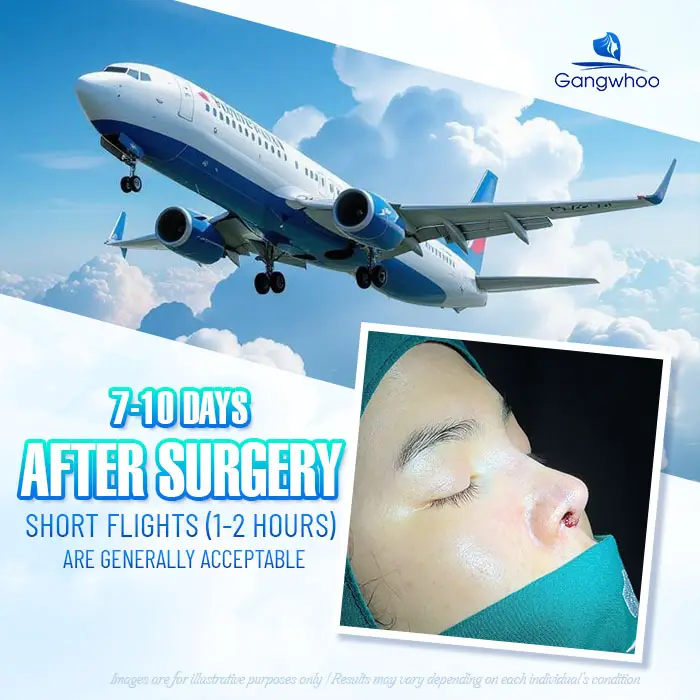
- Wound healing and swelling
- Removal of splints and sutures
- Absence of fluid discharge or bruising
- No infection
Precautions for domestic flights after rhinoplasty:
- Consult your surgeon before flying
- Bring prescribed medications and support tools if needed
- Stay hydrated, avoid carrying heavy luggage
- Avoid pressure or bumps to the nose
During this 7–10 day period, cabin pressure generally does not cause severe effects if the nose is stable. It is considered a reasonable time for domestic flights, with careful monitoring.
2. International / Long-Haul Flights: When Is It Safe?
For long-haul flights over 4–6 hours, prolonged cabin pressure and sitting may increase the risks of:
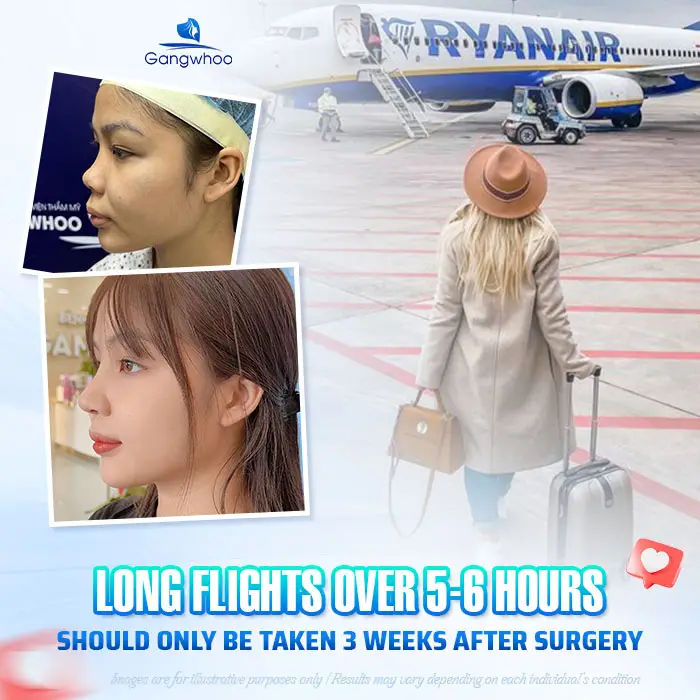
- Swelling returning or persisting
- Minor bleeding
- Tissue fluid accumulation
- Deep vein thrombosis (DVT)
Thus, the safe timeframe is typically 14–21 days post-rhinoplasty. For complex structural rhinoplasty, autologous cartilage grafts, or revision surgery, I recommend waiting at least 3 weeks before international flights.
Guidelines for international flights after rhinoplasty:
- Consult your surgeon and check the condition of nasal tissues and shape
- Bring a medical clearance certificate (Fit-to-Fly) if required by the airline
- Stay hydrated and move gently during the flight
- Wear a soft mask and avoid bumping the nose
At this stage, cabin pressure generally no longer significantly affects nasal structure if proper post-operative care is followed.
When You Should NOT Fly After a Nose Job
Flying is not always safe after nasal surgery. Even several days post-op, you should avoid flying if cabin pressure, prolonged sitting, or environmental changes could increase the risk of serious complications.
1. Persistent Swelling or Pain

During the first 3–7 days, nasal tissues may:
- Be red and swollen
- Feel tight at the nasal bridge
- Bleed easily with minor impact
Flying during this period may worsen swelling, prolong pain, and risk nasal deviation. Do not fly during the first 48–72 hours.
2. Ongoing Bleeding or Nasal Discharge
- Bleeding usually occurs within 1–5 days post-op, but some patients still have discharge or bruising
- Cabin pressure changes can dilate blood vessels, increasing bleeding
- Even minor bruising or unstable nasal discharge can temporarily deform the nose and delay recovery
Recommendation: If bleeding, discharge, or bruising persists, do not fly.
3. Signs of Infection
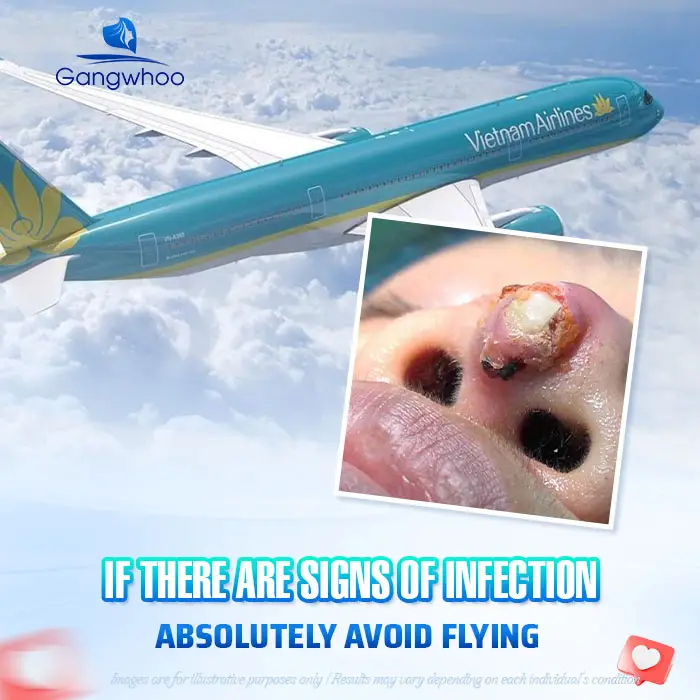
- Fever, fatigue
- Red, hot, or unusually painful nose
- Pus or foul-smelling discharge
Flying with an infection may worsen the condition, prolong recovery, and increase systemic complications. Seek immediate medical review before traveling.
4. Unstable or Misaligned Nasal Structure
- If splints or sutures are still in place, or cartilage is not stable, cabin pressure or minor bumps can shift the nasal structure
- Patients with complex structural rhinoplasty, autologous grafts, or revision surgery need careful monitoring before flying
Important Precautions When Flying After Rhinoplasty
Flying after a nose job depends not only on recovery time but also on careful preparation and adherence to post-op instructions:
1. Check Nasal Condition Before Flying

- Consult your surgeon to ensure stability, absence of discharge/bruising, and solid nasal structure
- Bring a Fit-to-Fly medical certificate if needed
- Carry medications and support tools: painkillers, cold compress gel, saline solution
2. Preparation During the Flight
- Choose appropriate seating: aisle seat preferred
- Wear a soft, comfortable mask to avoid pressure on the nose
- Use a neck pillow for long flights
- Avoid lifting or moving heavy luggage yourself
3. During the Flight

- Stay hydrated to reduce swelling
- Move gently every 1–2 hours to prevent DVT
- Avoid sleeping face down or on the side
- Limit salty food and alcohol
4. After Landing
- Check nasal condition: contact your doctor if pain, bleeding, or swelling occurs
- Apply cold compress if needed
- Continue hydration and eat lightly
- Schedule follow-up with your surgeon
5. Things to Avoid
- Do not fly if nose is severely swollen, bleeding, or infected
- Avoid bumping or pressing the nose during travel
- Do not stay up late or be under stress before flying
- Do not take medications without your doctor’s instructions
Do You Need a Cosmetic Surgery Certificate for Travel?
Some airlines require a certificate confirming no contraindication to fly within 14 days post-surgery. Gangwhoo Cosmetic Hospital provides Fit-to-Fly certificates for eligible patients.
Conclusion
Answering “How long after a nose job can I fly?” depends on the type of rhinoplasty, individual healing, and recovery status. Based on clinical experience at Gangwhoo Cosmetic Hospital:
- Domestic flights: 7–10 days if the nose is stable
- International / long-haul flights: 14–21 days, or at least 3 weeks for complex cases
- Do NOT fly if swelling, bleeding, splints, infection, or underlying conditions exist
Following these guidelines, consulting your surgeon, and preparing properly will help your nose recover quickly, look natural, and avoid complications. For upcoming flights, contact Gangwhoo Hospital for personalized advice and safe travel planning.