
Whether butt lift surgery hurts is a question I’m often asked by people considering surgery to improve the shape of their buttocks. This concern is completely understandable, since the buttock area has a complex anatomical structure and the degree of intervention varies depending on the method used.
The short answer is that a butt lift can cause pain, tightness, or discomfort during the recovery period, but the degree varies from person to person. During the surgery itself, patients are given an appropriate anesthesia method, so they do not experience pain the way they would if the procedure were performed without anesthesia or local numbing.
More importantly, “less pain” should not be understood as “completely painless.” The level of discomfort after a butt lift depends on the technique used, the extent of the intervention, the patient’s individual condition, and post-operative care.
Does Butt Lift Surgery Hurt?
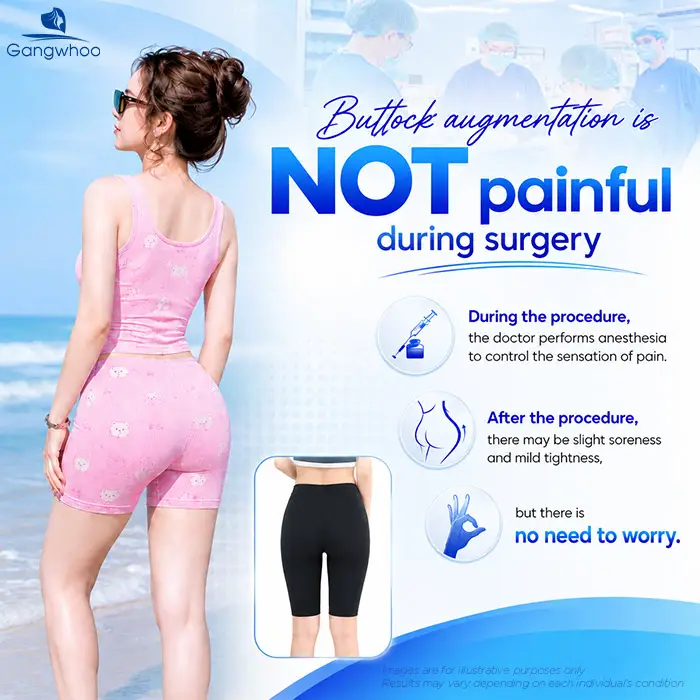
1. Does it hurt during the butt lift procedure itself?
During butt lift surgery, the surgeon selects an anesthesia method appropriate to the patient’s health condition, the surgical technique, and the extent of the intervention. Because of this, patients do not experience pain in the ordinary sense during the operation.
However, each person may respond differently to medication and anesthesia. A pre-operative evaluation by both the surgeon and the anesthesiologist is important for selecting the right approach and managing risk factors.
For this reason, when consulting with patients, I do not encourage absolute claims such as “100% painless butt lift.” In medicine, the realistic goal is to control pain and ensure the patient’s safety throughout the surgery and the recovery that follows.
2. Does it hurt after butt lift surgery?
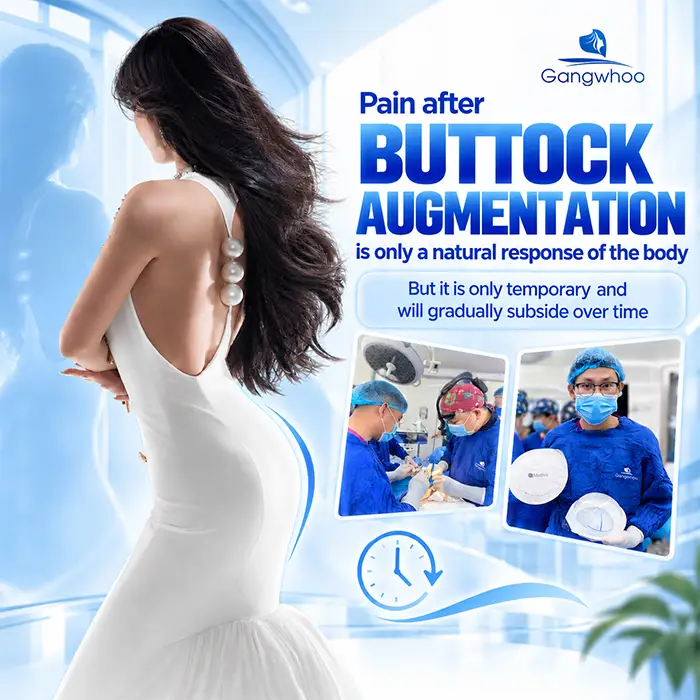
As the anesthesia wears off, patients may begin to feel soreness, pain, tightness, or discomfort in the treated area. This is a normal response that can occur as the body recovers from surgery.
Not every instance of post-operative pain is abnormal. What matters is the intensity of the pain, how it progresses, and any accompanying symptoms.
Generally, discomfort should be assessed in relation to the surgical method used and each patient’s actual condition. The surgeon will provide guidance on medication use, wound care, movement, and proper positioning to support recovery.
How Long Does the Pain Last After a Butt Lift?
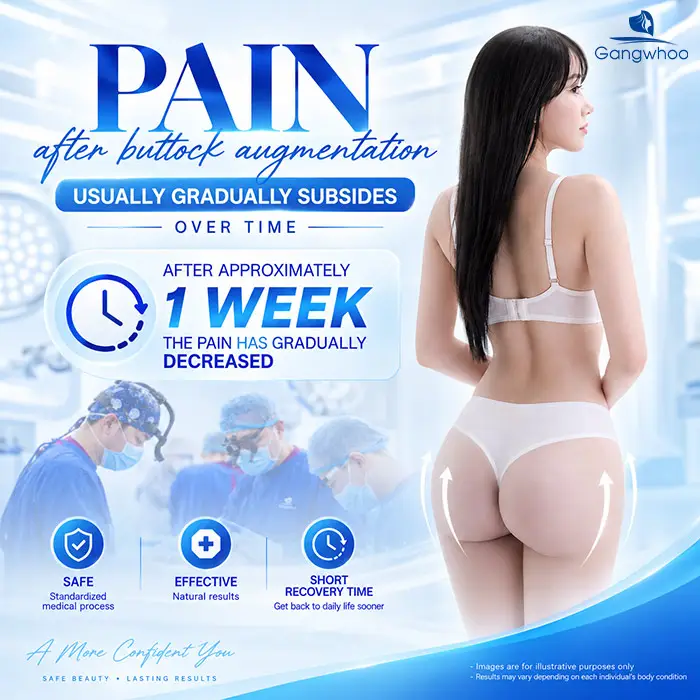
Another question patients ask almost as often as “does a butt lift hurt” is how long the pain lasts.
In reality, there is no single fixed timeline that applies to every case. Recovery depends on the surgical method, the patient’s physical condition, individual factors, and adherence to post-operative instructions.
1. The first few days after surgery
In the first few days, patients may feel tightness, soreness, or discomfort in the buttock area, especially when changing position. This is also the stage where rest, taking medication as prescribed, and avoiding unnecessary strain on the surgical area are especially important.
If the surgeon advises limiting sitting or changing positions for a certain period, patients should follow these instructions precisely rather than adjusting them based on other people’s experiences.
2. After about one week
As recovery progresses smoothly, discomfort generally tends to decrease. However, the rate of improvement differs from person to person.
This is why I often advise patients not to use a case they saw on social media as the standard for judging their own recovery. Some people may feel comfortable fairly quickly, while others need more time.
3. When should post-butt-lift pain be checked by a doctor?
Post-surgical pain should be monitored as it develops. If the pain does not decrease but instead increases, becomes unusually severe, or is accompanied by symptoms such as rapidly increasing swelling, fever, an abnormal-looking incision, or other systemic symptoms, patients should contact their surgeon or the facility where the surgery was performed right away.
Patients should not simply endure the pain or self-medicate without first identifying the cause.
Do Implant-Based Butt Lifts and Fat-Transfer Butt Lifts Hurt the Same Amount?
To accurately answer the question “does a butt lift hurt,” it’s first necessary to identify which method the patient is asking about.
1. Implant-based butt lift
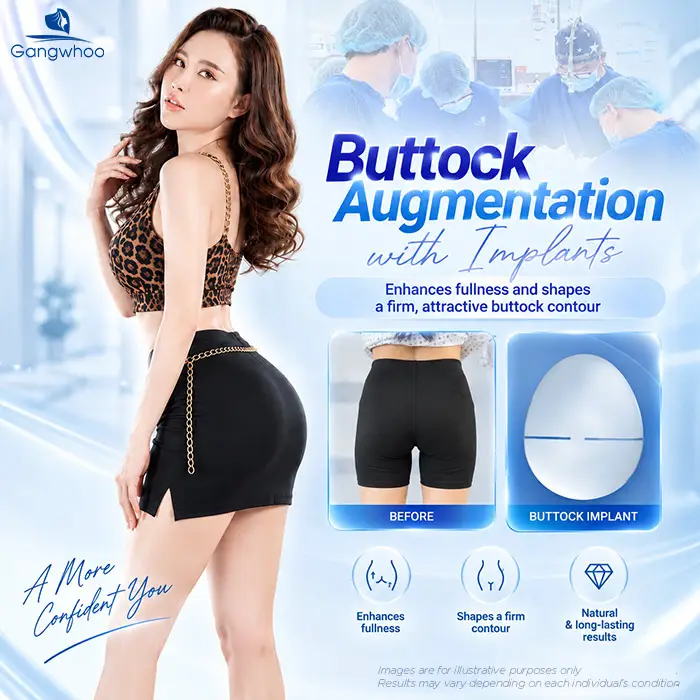
An implant-based butt lift uses implant material placed in the appropriate position as determined by the surgeon, in order to improve the shape and fullness of the buttocks.
After surgery, patients may experience tightness or pain in the treated area. The level of discomfort depends on the surgical technique, implant placement, tissue condition, and the body’s individual response.
For this reason, this method should not be judged solely on the question “does a butt implant hurt” — attention should also be paid to how the implant is selected, where it is placed, the technique used, and the post-operative care plan.
2. Fat-transfer butt lift (autologous fat grafting)
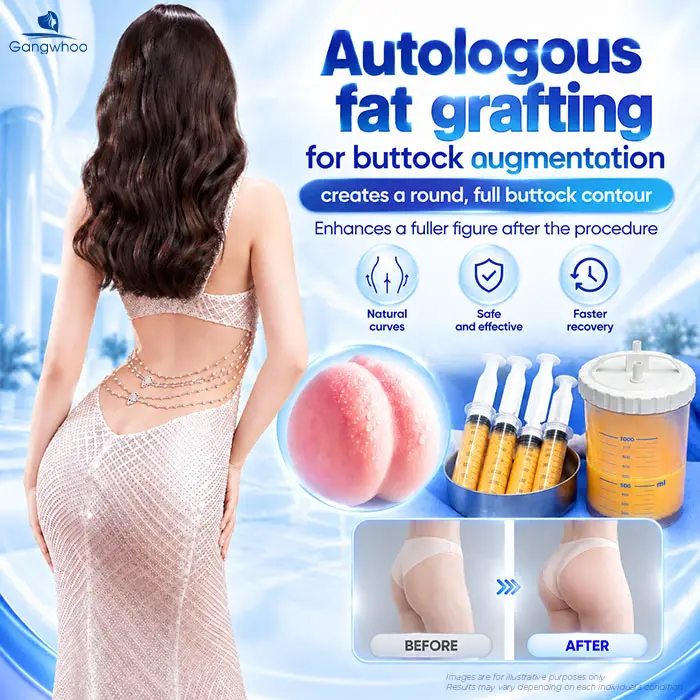
With fat transfer, the surgeon removes fat from one or more areas of the body, processes it, and injects the appropriate amount into the buttocks according to the shaping plan.
The key difference is that patients may feel discomfort not only in the buttock area but also at the fat-donor site. Because of this, when discussing fat-transfer butt lifts, both the donor area and the recipient area need to be evaluated together.
What Can Be Done to Reduce Pain and Discomfort After a Butt Lift?
After butt lift surgery, pain, tightness, bruising, or discomfort may appear in the first few days. The intensity and duration depend on the surgical method, implant placement or the fat donor/recipient areas, individual factors, and each person’s capacity to recover. To manage pain safely, patients should follow these principles:
1. Take medication exactly as prescribed, at the correct dose and time
Doctors commonly prescribe the following types of medication after surgery:

- Pain relievers: usually paracetamol/acetaminophen or another analgesic, depending on pain level and health condition.
- Non-steroidal anti-inflammatory drugs (NSAIDs): may be prescribed in certain cases, but are not suitable for everyone — particularly people with a history of gastric ulcers or bleeding, kidney disease, clotting disorders, drug allergies, or those currently taking blood thinners.
- Antibiotics: to be used only when prescribed by a doctor. Antibiotics do not relieve pain and should not be self-administered to “prevent infection.”
- Anti-swelling medication or other supportive drugs: to be used only under specific medical direction.
Patients should take medication exactly as instructed, without increasing the dose on their own, doubling up on doses, or combining multiple medications with the same active ingredient. In particular, patients should check drug ingredients to avoid taking several products containing paracetamol/acetaminophen at the same time, as this can increase the risk of liver damage.
If a patient is taking medication for an underlying condition, blood thinners, aspirin, supplements, or herbal products, they should inform their doctor before starting post-operative medication. Patients should not take ibuprofen, aspirin, diclofenac, or other anti-inflammatory drugs on their own without their surgeon’s approval, as some of these medications can increase the risk of bleeding or affect wound healing.
2. Monitor pain levels and response to medication
In the first few days, patients should rate their pain on a scale of 0 to 10 and keep track of when medication is taken, how much it helps, and any accompanying symptoms.
Pain typically tends to ease as the body recovers. If pain does not improve after taking medication as prescribed, increases rapidly, is noticeably worse on one side, or is accompanied by unusual tightness, patients should contact their doctor for evaluation. Patients should not take additional strong painkillers or sedatives on their own in an attempt to sleep through the pain.
3. Maintain proper posture and movement as instructed
Positioning after a butt lift needs to be tailored to the surgical method used. Patients should not sit for long periods, lie directly on the buttocks, or use cushions incorrectly without guidance from their doctor.
During the early recovery period, patients should:
- Avoid putting direct pressure on the operated area.
- Change position as instructed by the doctor.
- Walk gently within permitted limits to avoid staying immobile for too long.
- Avoid bending forward, strenuous activity, running, lifting heavy objects, or exercising until cleared to do so.
- Avoid massaging, applying heat or cold, or putting pressure on the buttock area unless specifically instructed.
Light movement should match the patient’s actual physical condition. If dizziness, shortness of breath, increased pain, or unusual weakness occurs when standing up, the patient should stop and notify a family member or the medical facility.
4. Caring for the incision and surgical area
The incision should be kept clean and dry, and cared for exactly as the doctor instructs. Patients should not remove bandages, remove stitches, apply ointments, use herbal poultices, or use unprescribed antiseptic solutions on their own.
Patients should watch for the following signs at the incision site:
- Level of swelling and bruising.
- Discharge, along with its color and odor.
- Redness, warmth, or increasing pain around the incision.
- Whether the edges of the incision are separating.
- Unusual bleeding or bandages soaking through.
When bathing or washing, patients should follow the timing approved by their doctor and keep the surgical area away from dirty water. Patients should not soak in a bathtub, swimming pool, or any environment with infection risk until the incision has healed and the doctor confirms it is safe.
5. Diet and rest to support recovery

Patients should drink enough water (unless otherwise contraindicated) and eat sufficient protein from lean meat, fish, eggs, milk, beans, and other suitable food sources. Leafy greens, fruit, and fiber-rich foods help prevent constipation, especially while taking pain medication.
Alcohol should be limited, as it can interact with pain relievers, sedatives, or other medications and can affect recovery. Smoking or nicotine use should be avoided during the post-operative period, as it can reduce blood flow to tissue and impair wound healing.
Patients should also get enough sleep, avoid staying up late, and arrange for help from others in the first few days if moving around or changing positions is still difficult.
6. When to contact a doctor immediately
Patients should contact their surgeon or go to a medical facility if any of the following occur:
- Severe or worsening pain despite taking medication as prescribed.
- Rapid swelling, significant tightness, or a noticeable difference between the two sides of the buttocks.
- Prolonged bleeding, or bandages soaked with an unusual amount of blood or discharge.
- The incision becomes red, warm, oozes pus, has a foul odor, or its edges separate.
- Fever, chills, exhaustion, or a worsening general feeling of illness.
- Difficulty breathing, chest pain, rapid heartbeat, lightheadedness, or fainting.
- Pain or swelling in one leg, or unusual difficulty walking.
Patients should not try to endure these symptoms or buy additional medication to treat them at home. Attending follow-up appointments as scheduled allows the doctor to assess the incision, swelling and pain levels, and overall recovery progress, and to adjust medication or care instructions as needed.
Gangwhoo Aesthetic Hospital Uses Modern Technology to Support Pain Reduction and Recovery After a Butt Lift
When researching whether a butt lift hurts, patients should look not only at the pain itself but also into the surgical technique, the equipment used, and the pain-management protocol at the facility performing the procedure. At Gangwhoo Aesthetic Hospital, surgical support technologies are used to help surgeons see more clearly, operate more precisely, and reduce unnecessary impact on tissue during the procedure.
1: 4K Endoscopic System for Precise Visualization and Dissection
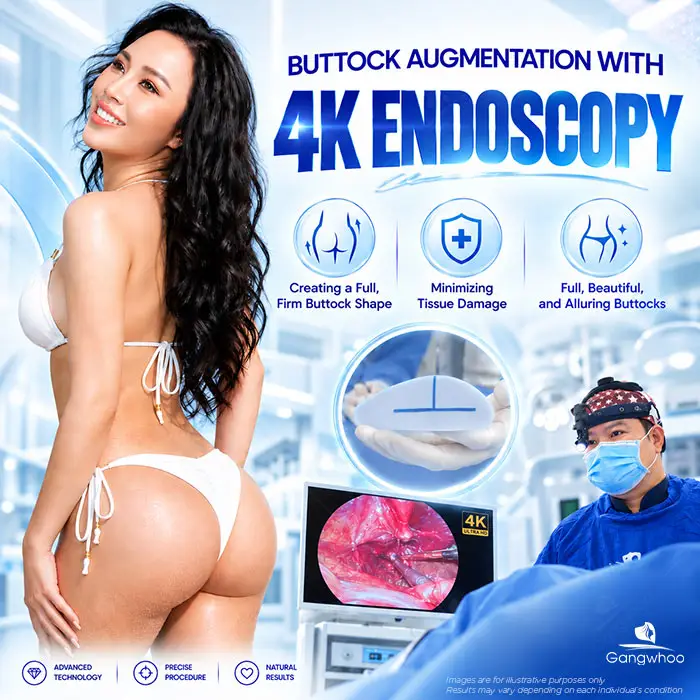
4K endoscopy provides high-resolution images of the surgical field, helping the surgeon see the anatomical structures clearly and perform more controlled dissection.
In reconstructive surgery, clearly identifying anatomical structures and minimizing unnecessary dissection matters a great deal for recovery. Gangwhoo’s technology materials also describe combining 4K endoscopy, microsurgery, and a Harmonic scalpel to support more precise, safer, and less invasive dissection.
This does not mean 4K endoscopy can eliminate post-operative pain entirely. The purpose of the technology is to help the surgeon control the procedure more precisely, which in turn creates more favorable conditions for recovery.
2: Harmonic Scalpel for Cutting and Tissue Control During Surgery
Alongside endoscopy, the Harmonic scalpel is another piece of equipment Gangwhoo highlights as part of its surgical technology system.
Unlike a conventional scalpel, the Harmonic scalpel uses ultrasonic energy to cut and coagulate tissue during surgery. When used with proper indication and technique, the device can help the surgeon control the surgical field and limit unnecessary tissue damage.
Gangwhoo’s promotional materials also describe combining 4K endoscopy with the Harmonic scalpel with the goal of precise dissection, minimized invasiveness, and better-supported recovery.
3: Anesthesia and Resuscitation System for Pain Control During Surgery
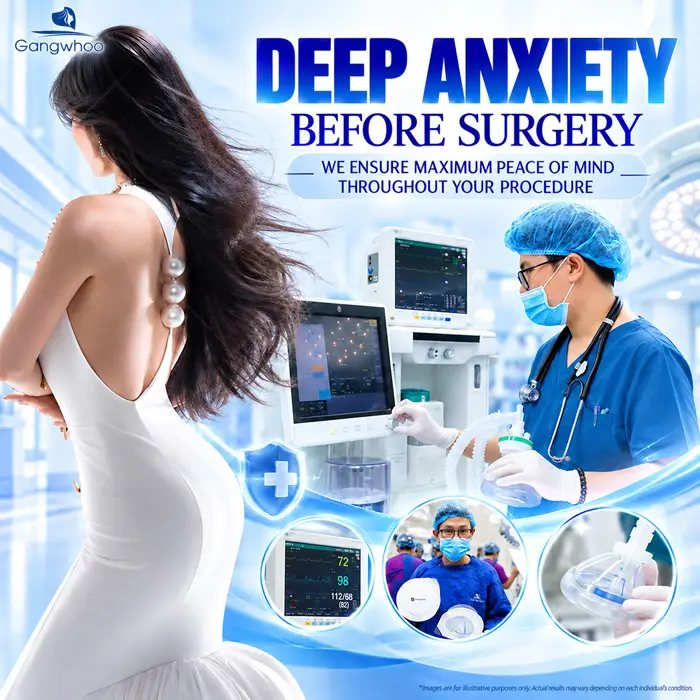
One important factor in answering the question “does butt lift surgery hurt?” is the anesthesia and resuscitation system used.
During surgery, the anesthesia method is chosen based on the patient’s health, the type of surgery, and the anesthesiologist’s assessment. Monitoring the patient during anesthesia helps track vital signs and allows the medical team to respond promptly if needed.
For this reason, rather than advertising a butt lift as “completely painless,” the more medically sound approach is to control pain during surgery and build a post-operative pain-management plan suited to each patient.
4: Oxygen Chamber to Support Post-Operative Care and Recovery
Alongside surgical technique, post-operative care also plays an important role in recovery.
Gangwhoo has a post-operative care support system that includes an oxygen chamber, intended to support care and recovery after the procedure.
However, it should be understood correctly that oxygen therapy is not a method that can “eliminate pain” instantly. The use of oxygen or other post-operative support methods should be carried out based on the assessment and direction of medical staff, according to each patient’s actual condition.
5: Technology Is Only Part of Pain Management
A smooth recovery after a butt lift does not depend on any single piece of equipment. Effectiveness and safety also depend on the surgical indication, the surgeon’s skill, the technique used, the anesthesia method, the patient’s health, and post-operative care.
So if you’re researching whether a butt lift hurts, don’t just ask what technology the facility has. Also pay attention to the pre-operative consultation process, the surgeon who will actually perform the procedure, the anesthesia and resuscitation system, the pain-management plan, and post-operative monitoring.