
What foods should you avoid after chin implant surgery is a question that concerns many patients after undergoing chin contouring surgery. Besides surgical technique, implant material and the surgeon’s skill, nutrition and post-operative care also play an important role in the recovery process.
According to Dr. Nguyen Minh Hien, Level II Specialist – Odonto-Stomatology, after chin implant surgery, patients shouldn’t focus only on “which foods to avoid” but should understand the principles of post-operative nutrition: prioritizing soft, easy-to-chew foods, ensuring adequate energy and protein, while limiting foods that may cause irritation, allergic reactions, or require excessive jaw movement in the early stage.
At Gangwhoo Cosmetic Hospital, post-chin-implant care needs to be adjusted based on the surgical method, incision location, soft tissue condition, and each patient’s recovery speed. Therefore, direct guidance from the operating surgeon remains the priority basis for care.
What Foods Should Be Avoided After Chin Implant Surgery?
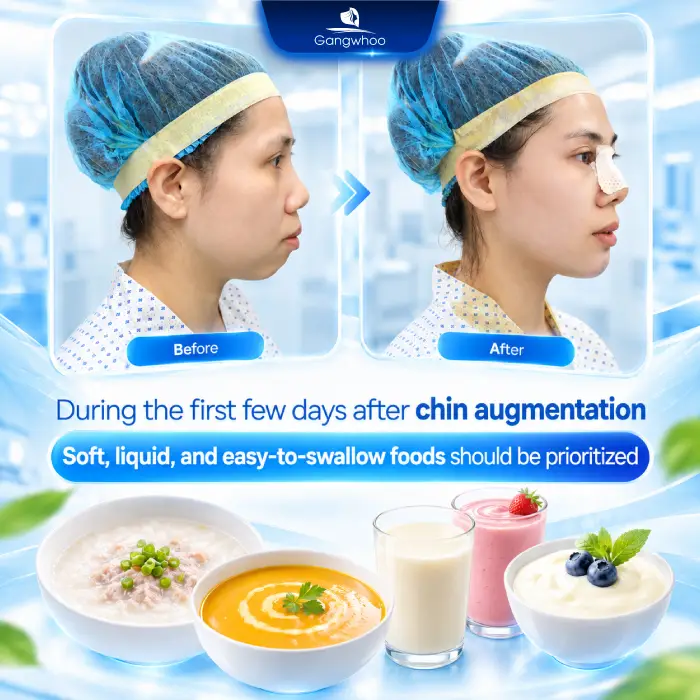
After chin implant surgery, especially in the first few days, patients should choose soft, easy-to-swallow foods that don’t require excessive chewing force. This helps reduce chewing muscle activity and limits feelings of tightness or tension in the chin area while the tissue is healing.
Some food groups commonly recommended to be limited include hard, chewy, overly spicy or hot foods, alcoholic beverages, and any foods the patient has a history of allergic reactions to.
1. Hard, Chewy Foods That Require a Lot of Chewing
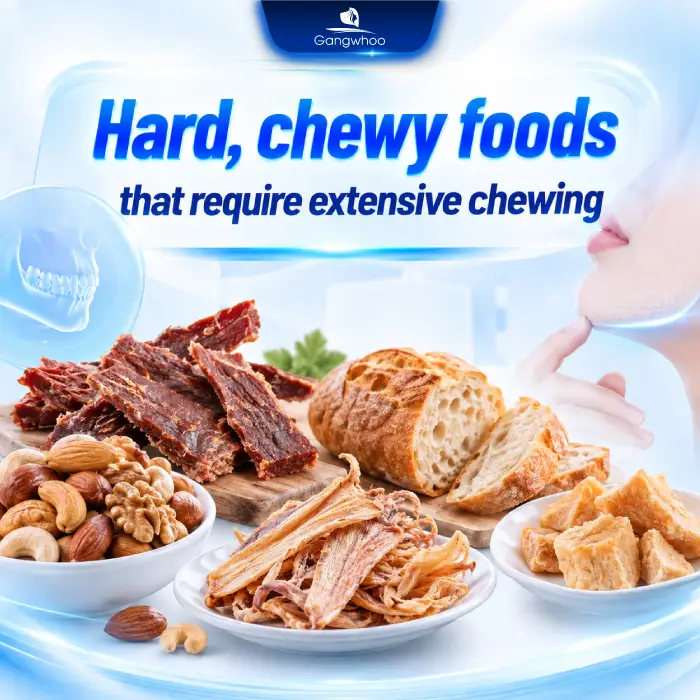
After chin implant surgery, the soft tissue around the chin and jaw may still be swollen, painful, or have limited movement. Eating foods that are too hard, chewy, or require prolonged chewing forces the chewing muscles to work harder, which can cause discomfort.
In the first few days, it’s best to prioritize dishes such as plain rice porridge, minced meat porridge, fish porridge, chicken soup, vegetable soup, bone broth, mashed potatoes, mashed sweet potatoes, or soft rice. For protein, you can use steamed fish, fish soup, shredded chicken, finely minced lean pork for easier digestion and reduced chewing effort.
Conversely, you should limit foods such as tough beef, pork cartilage, tendon, dried squid, beef jerky, hard nuts (almonds, cashews, roasted peanuts), hard or chewy candy, or fried crispy foods like fried chicken, french fries, chips until chewing ability returns to normal, as advised by your doctor.
2. Spicy, Hot, and Greasy Foods
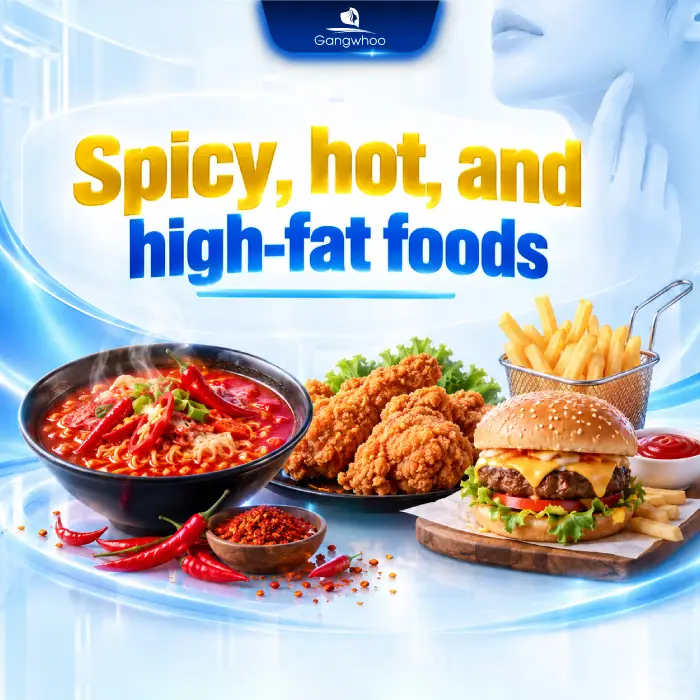
Foods that are too spicy or too hot can cause discomfort, especially in cases where the incision is inside the oral cavity.
Patients should limit dishes such as chili peppers, chili oil, spicy pepper, spicy hotpot, spicy noodles, as well as foods served at very high temperatures such as freshly boiled soup or a hotpot that’s still boiling vigorously.
Additionally, greasy foods like fried chicken, deep-fried foods, fast food (hamburgers, cheese-heavy pizza, french fries) are usually not the optimal choice during the post-operative period as they can cause indigestion and increase fatigue. Patients should prioritize fresh foods prepared simply, such as boiling, steaming, or stewing, to support the recovery process.
3. Alcohol and Stimulants
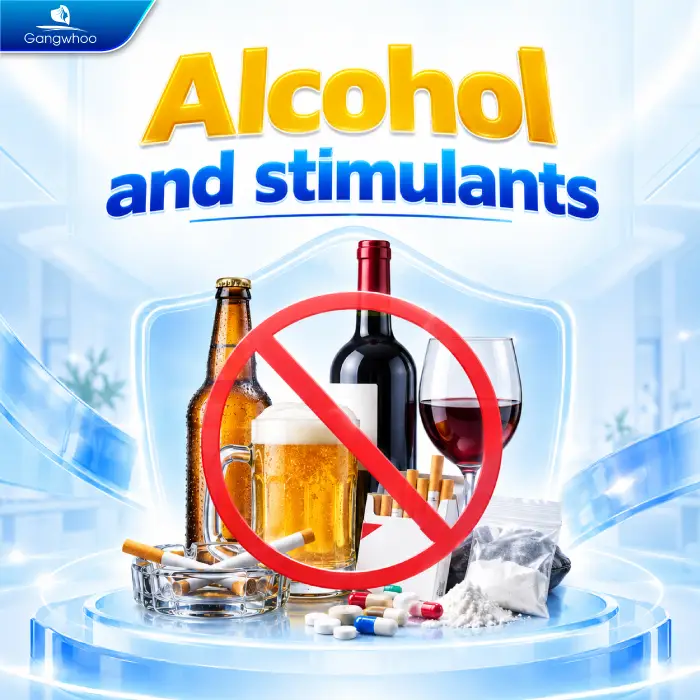
Alcohol and tobacco should be strictly limited during the post-operative period, as directed by the doctor.
Specifically, patients need to avoid beer, hard liquor (vodka, whiskey, white spirits), wine, as well as nicotine-containing products such as cigarettes, e-cigarettes, and cigars.
Medically speaking, nicotine can cause vasoconstriction and reduce blood flow to tissue, while alcohol can interact with certain medications used during the post-operative period. Therefore, patients should not use alcohol or smoke on their own accord while taking medication and recovering from surgery.
4. Foods With a Risk of Causing Allergic Reactions
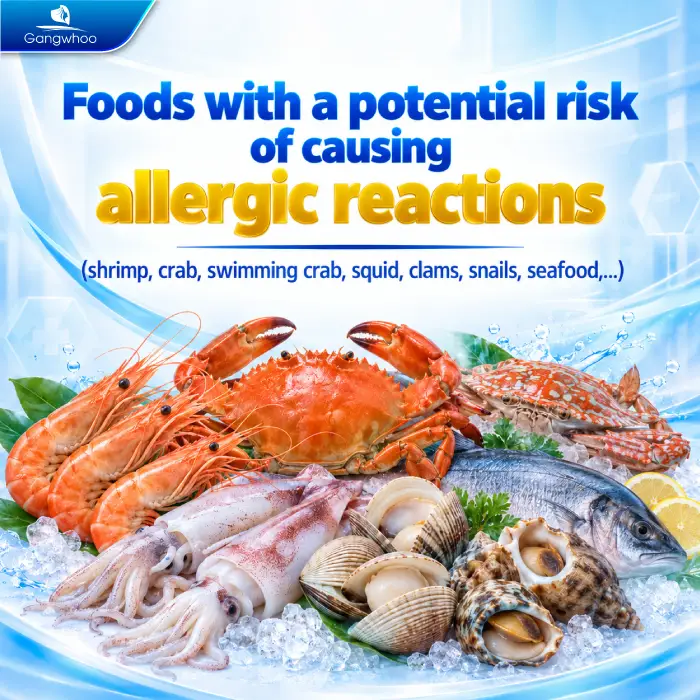
Seafood or certain foods may cause allergic reactions in people with sensitive constitutions. If you have previously been allergic to a certain food, you should avoid that food after surgery and inform your doctor when necessary.
Food groups that are commonly monitored include shrimp, crab, blue crab, squid, clams, snails, sea fish, as well as other foods that commonly cause allergies such as eggs, milk, peanuts (depending on individual sensitivity).
It’s important not to equate “seafood” with a food group that must be absolutely avoided by every patient. Whether or not it needs to be limited depends on allergy history, wound condition, and the specific guidance of the doctor.
Does Chin Implant Surgery Require Avoiding Beef, Chicken, Seafood, or Water Spinach?
This is a very common question when searching for information about what foods to avoid after chin implant surgery. In fact, a post-operative diet shouldn’t be built solely on a “forbidden” food list that applies to everyone.
1. Can You Eat Beef After Chin Implant Surgery?

Beef is a source of protein, iron, and many micronutrients. Therefore, it shouldn’t be assumed by default that everyone who has had chin implant surgery must avoid beef for a fixed period of time.
If the surgeon requires limiting beef due to a specific wound condition or individual constitution, the patient should comply. Conversely, if there’s no contraindication, softly cooked beef can be part of a protein-rich diet during recovery.
2. Can You Eat Chicken After Chin Implant Surgery?
Chicken provides high-quality protein and isn’t a food that must be eliminated for every patient after chin implant surgery.
However, if the patient has a history of chicken allergy or the doctor gives specific instructions, those should be followed. In the early stage, it’s best to choose soft cuts of meat, remove the skin, and prepare it in an easy-to-eat way.
3. Can You Eat Seafood After Chin Implant Surgery?
If there’s no allergy history, seafood doesn’t necessarily need to be considered an absolutely forbidden food. However, people who have previously had reactions to shrimp, crab, fish, or shellfish need to be especially cautious.
If symptoms such as hives, itching, lip swelling, or difficulty breathing appear after eating a certain food, you should stop eating it and seek appropriate medical help.
4. Can You Eat Water Spinach After Chin Implant Surgery?

Water spinach is often mentioned in lists of foods to avoid after surgery due to concerns about keloid scarring. However, this belief shouldn’t be turned into an absolute recommendation for every patient.
The likelihood of scar formation depends on many factors such as individual constitution, the wound’s location and characteristics, degree of tissue damage, surgical technique, and the care process. If the treating doctor requests limiting water spinach in the early stage, the patient should follow this on a case-by-case basis.
5. Can You Eat Eggs After Chin Implant Surgery?
Eggs are a source of protein and many valuable nutrients. Eggs shouldn’t be automatically assumed to cause “wound discoloration” in every patient.
If the patient isn’t allergic to eggs and the doctor has no special instructions, eggs can be included in a balanced diet. What’s more important is ensuring that food is thoroughly cooked and suited to the patient’s chewing and swallowing ability during the post-operative period.
How Long Should You Avoid Certain Foods After Chin Implant Surgery?
There’s no single timeframe that applies to every patient after chin implant surgery.
The duration of dietary restrictions and the timing of returning to a normal diet depend on the surgical method used, incision location, soft tissue condition, degree of swelling, and each individual’s healing speed.
1. The First Few Days After Surgery
During this stage, swelling, tightness, or discomfort in the chin area may occur. Patients should prioritize soft, liquid, or well-cooked foods.
If the incision is located inside the oral cavity, food choices need even more attention to oral hygiene and limiting direct stimulation to the surgical area.
2. The First Week or So
As swelling and pain gradually decrease and the doctor assesses that the wound is healing well, patients can gradually expand their diet.
However, just because the chin appears less swollen doesn’t mean one should immediately return to hard, chewy, or heavily-chewed foods. Tissue recovery takes time, and outward appearance doesn’t always fully reflect the internal tissue condition.
3. After the Initial Recovery Stage
Once the wound is stable, shows no abnormal signs, and the doctor gives approval, the patient can gradually return to a normal diet.
Therefore, instead of rigidly remembering that “chin implant surgery requires avoiding certain foods for exactly X days,” I generally recommend that patients rely on clinical assessment and follow-up appointment schedules to decide when to change their diet.
What Should You Eat After Chin Implant Surgery to Support Recovery?
If the question “what foods to avoid after chin implant surgery” helps patients know what to limit, an equally important question is what to eat after chin implant surgery.
The body needs energy, protein, vitamins, minerals, and water to support tissue regeneration. Therefore, excessive dietary restriction isn’t beneficial either.
1. Prioritize Soft, Easy-to-Chew Foods
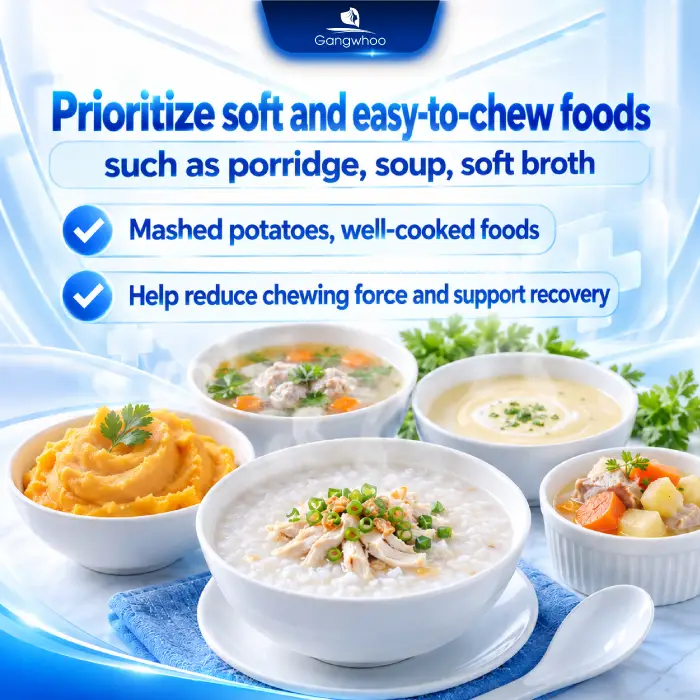
Porridge, soup, soft stews, mashed potatoes, or well-cooked dishes are usually suitable during the early stage.
The goal isn’t to eat as little as possible, but to ensure the body still receives enough energy while reducing chewing pressure on the jaw area.
2. Ensure Adequate Protein Intake
Protein is an important component for tissue repair and regeneration. Patients can choose protein sources appropriate to their health condition and doctor’s instructions.
Fish, lean meat, eggs, milk, beans, and other protein-rich products can be included in the diet depending on tolerance.
3. Add Green Vegetables and Fruits
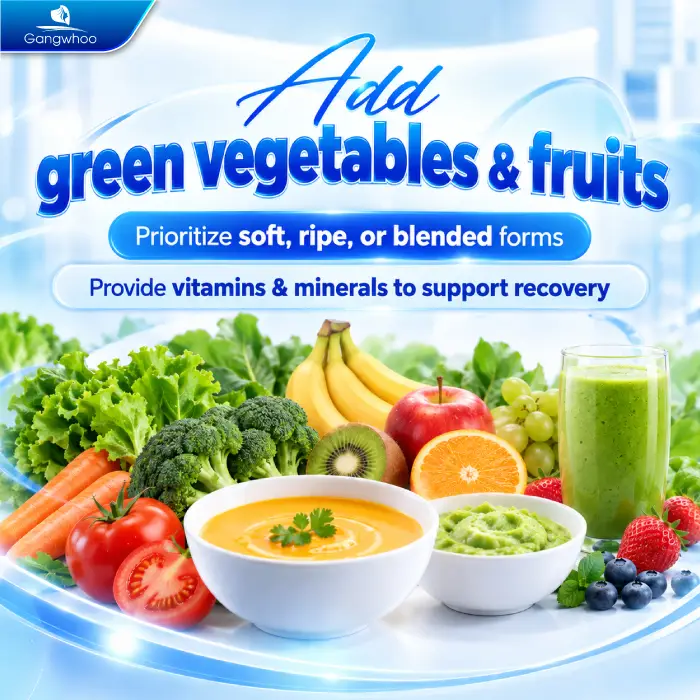
Green vegetables and fruits provide vitamins, minerals, fiber, and many bioactive compounds necessary for a balanced diet.
In the first few days, it’s best to prioritize soft, cooked, or blended forms so that excessive chewing isn’t required.
4. Drink Enough Water
Water is involved in many physiological processes in the body. Patients should maintain a water intake appropriate to their individual needs and health condition, unless they have a medical condition requiring fluid restriction as directed by a doctor.
Besides Diet, What Else Should Be Avoided After Chin Implant Surgery?
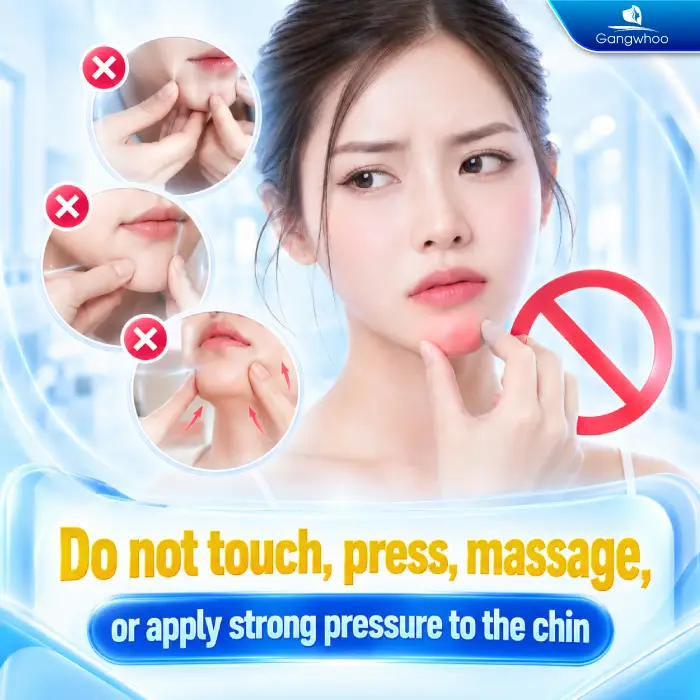
Diet is only one part of post-operative care. After undergoing chin contouring surgery, patients also need to pay attention to protecting the surgical area.
You shouldn’t touch, press, massage, or apply strong force to the chin on your own. In the early stage, you should also limit activities that require vigorous jaw movement, such as opening your mouth too wide or chewing overly tough foods.
If the doctor prescribes a fixation bandage, antibiotics, pain relievers, or other post-operative medications, the patient needs to use them at the correct dosage and for the correct duration. Do not stop or change medication on your own without consulting the doctor.
In particular, if the incision is made inside the oral cavity, oral hygiene needs to be carried out according to instructions to limit the risk of infection in the surgical area.
At Gangwhoo Cosmetic Hospital, post-operative care should be viewed as part of the entire treatment process rather than a secondary step after the surgery is completed. Gangwhoo’s professional images also illustrate the chin contouring process with a focus on facial plastic surgery and the application of endoscopic and microsurgical technology within their service introduction imagery system.
So, what foods should you avoid after chin implant surgery?
In the early stage, patients should prioritize soft, easy-to-chew foods; limit hard, chewy, overly spicy or hot foods, alcohol, and any foods that have previously caused allergic reactions. More importantly, the body needs to receive adequate protein, energy, vitamins, minerals, and water to support the recovery process.
As for foods commonly mentioned through word of mouth such as beef, chicken, eggs, seafood, or water spinach, an absolute restriction list shouldn’t be applied to every patient. Post-operative nutrition needs to be individualized based on wound condition, personal constitution, and the guidance of the treating doctor.
If you are preparing for chin implant surgery at Gangwhoo Cosmetic Hospital or have just undergone the procedure, please speak directly with your doctor for specific guidance on diet, surgical area hygiene, medication use, and follow-up schedule. A proper post-operative plan from the very start will help the recovery process go more smoothly and safely.
Professional information: Dr. Nguyen Minh Hien, Level II Specialist – Odonto-Stomatology
Note: This content is for medical information purposes only and does not replace an in-person examination, diagnosis, or individual instructions from a doctor.