
After rhinoplasty, many people wonder whether it is safe to eat sweet potatoes and whether this nutritious food may affect the healing process or the final aesthetic outcome. In fact, sweet potatoes are rich in dietary fiber, vitamin A, vitamin C, and antioxidants, all of which may support recovery when consumed appropriately.
In this article, the medical team at Gangwhoo Cosmetic Hospital explains the benefits of eating sweet potatoes after rhinoplasty, how to include them in your diet safely, and which foods you should prioritize or avoid to help your nose heal properly and achieve the best possible results.
Can You Eat Sweet Potatoes After Rhinoplasty?

This is one of the most common questions our doctors at Gangwhoo Cosmetic Hospital receive during postoperative follow-up appointments. After undergoing rhinoplasty, many patients become extremely cautious about their diet, worrying that the wrong foods may delay wound healing, increase swelling, or negatively affect their surgical results.
The good news is that sweet potatoes are not among the foods that need to be avoided after rhinoplasty. On the contrary, when eaten in moderation, they can provide several health benefits during recovery thanks to their complex carbohydrates, fiber, vitamin A, vitamin C, potassium, and natural antioxidants.
However, sweet potatoes should not be considered a “miracle food” that speeds up healing on their own. Recovery depends on many factors, including your body’s healing ability, the surgical technique used, postoperative care, and following your surgeon’s instructions carefully.
Why Are Sweet Potatoes Recommended After Rhinoplasty?
Following any surgical procedure, the body requires adequate nutrients to repair damaged tissues and reduce inflammation. Sweet potatoes are highly nutritious and can be a valuable addition to a balanced postoperative diet.
1. Rich in Vitamin A to Support Tissue Repair
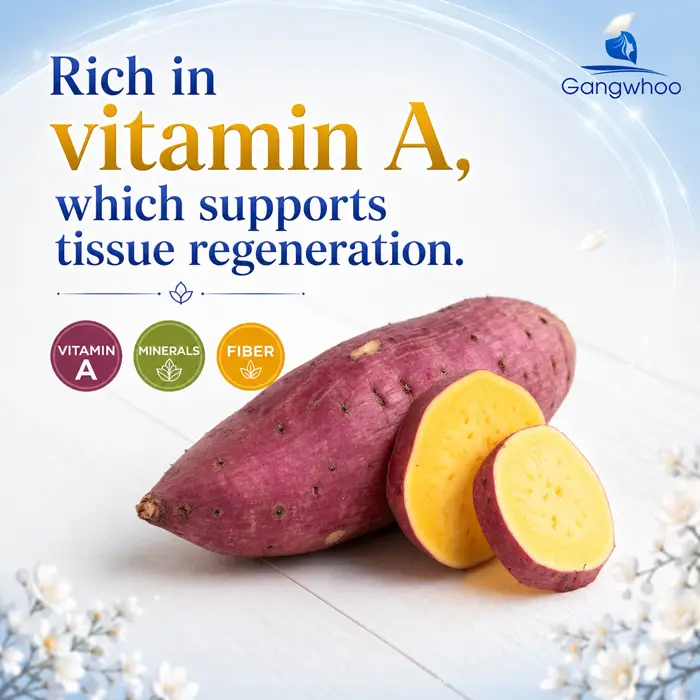
Vitamin A plays a vital role in the formation of new epithelial tissue and the regeneration of damaged cells. After rhinoplasty, adequate vitamin A intake helps the skin around the nose heal more effectively while supporting the skin’s natural protective barrier.
Vitamin A also contributes to immune function, helping the body reduce the risk of infection during the early stages of recovery.
2. Vitamin C Supports Collagen Production
Collagen is essential for repairing connective tissues and stabilizing the nose after surgery. Although sweet potatoes are not the richest source of vitamin C, they still provide a meaningful amount that supports the body’s natural collagen synthesis.
Combining sweet potatoes with protein-rich foods such as fish, lean meat, eggs, or dairy products can significantly improve tissue repair and recovery.
3. High Fiber Content Promotes Healthy Digestion
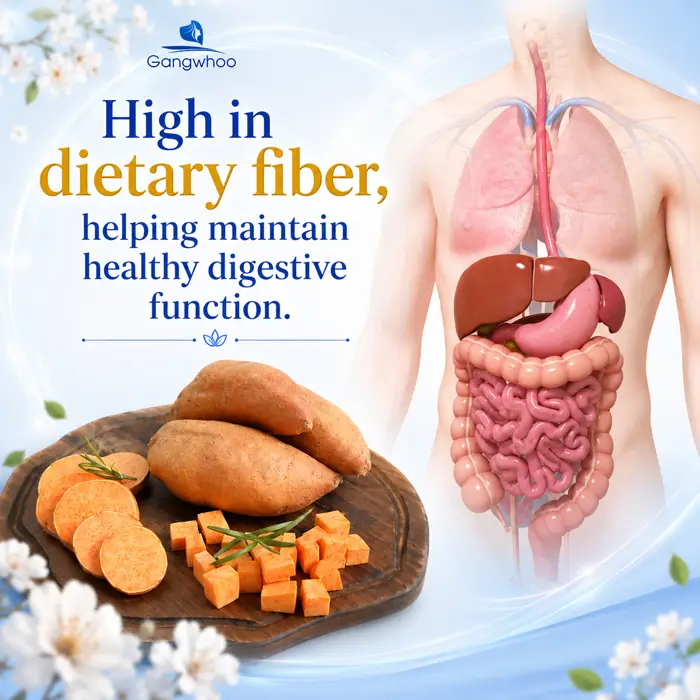
Many patients become less physically active after rhinoplasty and may take pain relievers or antibiotics. These factors can slow digestion and increase the likelihood of constipation.
Sweet potatoes are naturally high in dietary fiber, which helps improve bowel movements, supports digestive health, and reduces the risk of constipation after surgery.
Preventing constipation also helps patients avoid excessive straining during bowel movements, making the recovery period more comfortable.
4. A Healthy Source of Complex Carbohydrates
After surgery, the body requires additional energy to repair tissues and support the healing process.
Sweet potatoes provide slow-digesting complex carbohydrates that help maintain stable energy levels without causing rapid spikes in blood sugar like refined carbohydrates.
This makes them an excellent food choice during postoperative recovery.
5. Packed with Antioxidants
Purple and orange sweet potatoes are particularly rich in antioxidants such as beta-carotene and anthocyanins.
These compounds help reduce oxidative stress, support tissue healing, and protect cells from damage during the recovery process.
How Should You Eat Sweet Potatoes After Rhinoplasty?

Although sweet potatoes are beneficial, they should still be consumed appropriately.
Doctors at Gangwhoo Cosmetic Hospital generally recommend eating moderate portions as part of a well-balanced diet.
Patients can usually begin eating sweet potatoes from the second day after surgery, provided they do not experience nausea, bloating, or digestive discomfort.
A serving of approximately 100–200 grams is appropriate, ideally combined with high-quality protein sources such as fish, lean meat, eggs, or dairy products to support tissue regeneration.
Steamed, boiled, or mashed sweet potatoes are the healthiest preparation methods because they preserve most nutrients while minimizing added fats.
Fried sweet potatoes or those coated with excessive sugar are not recommended, as they contain unnecessary calories and saturated fats that may hinder a healthy recovery.
Which Foods Should Be Avoided After Rhinoplasty?
Rather than worrying about whether you can eat sweet potatoes after rhinoplasty, patients should pay closer attention to foods that may interfere with healing.
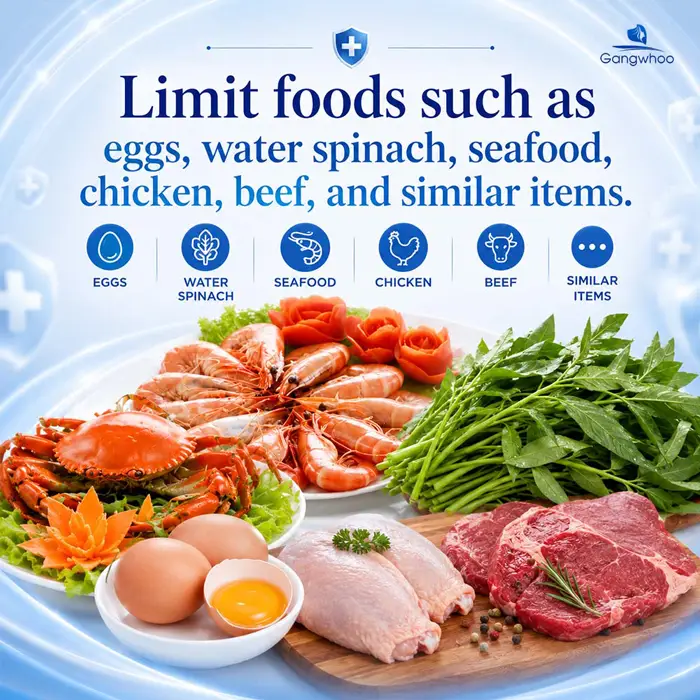
Based on clinical experience, doctors often advise limiting foods such as water spinach if you are prone to keloid scarring, sticky rice during the early healing period, and seafood or chicken if you have previously experienced allergic reactions or itching after surgery.
Alcohol, tobacco, and other stimulants should be completely avoided throughout recovery because they can impair blood circulation, delay wound healing, and increase the risk of complications.
Dietary restrictions should always follow your surgeon’s recommendations rather than relying solely on anecdotal advice.
Foods That Help Speed Up Recovery After Rhinoplasty
In addition to sweet potatoes, your postoperative diet should include a wide variety of nutrient-rich foods.
Protein from fish, lean meats, eggs, and dairy products supports collagen production and tissue regeneration.
Leafy green vegetables and vitamin C-rich fruits such as oranges, grapefruit, and kiwi help strengthen the immune system and promote faster wound healing.
Whole grains, nuts, and sweet potatoes provide high-quality carbohydrates along with essential vitamins and minerals needed for recovery.
Patients should also drink sufficient water each day to support metabolism and optimize the healing process.
Additional Tips for a Smooth Recovery

Besides maintaining a healthy diet, proper postoperative care plays a crucial role in achieving successful rhinoplasty results.
Patients should sleep with their head elevated, avoid bumping or putting pressure on the nose, refrain from wearing glasses until approved by their surgeon, and take all prescribed medications exactly as directed.
Attending all scheduled follow-up appointments is equally important so your surgeon can monitor healing progress and address any concerns promptly.
If you experience prolonged swelling, unusual discharge, severe pain, or signs of infection, seek medical attention immediately instead of attempting self-treatment at home.
So, can you eat sweet potatoes after rhinoplasty? The answer is yes. Sweet potatoes are rich in fiber, vitamins, and antioxidants, making them an excellent addition to a balanced recovery diet when consumed appropriately.
The key is not avoiding one particular food entirely, but maintaining a nutritious, well-balanced diet that provides adequate calories, protein, vitamins, and minerals to support optimal healing.
At Gangwhoo Cosmetic Hospital, our experienced medical team develops personalized postoperative care instructions and nutrition plans for every patient to help shorten recovery time and optimize aesthetic outcomes. If you have any questions about your diet after rhinoplasty or notice unusual symptoms during recovery, contact your treating surgeon promptly for professional guidance.