
After a nose surgery, many patients wonder whether they can eat sausages — a convenient, protein-rich, and popular food. However, the post-surgery period is when nasal tissues and cartilage need time to heal, so choosing the right foods plays a crucial role in preventing inflammation, swelling, infection, or distortion of the nose shape.
In this article, I — Dr. Tran Kim Thach, Specialist Level I, Deputy Medical Director of Gangwhoo Aesthetic Hospital — will explain in detail the post-rhinoplasty diet, especially whether eating sausages after rhinoplasty is safe, based on medical perspectives and post-operative nutrition studies recognized both domestically and internationally.
Why Is Diet Important After Rhinoplasty?
Rhinoplasty is a surgical procedure that reshapes the nasal structure — it often involves implants, cartilage grafts, or septal corrections. During recovery, the body goes through several phases: mild inflammation (swelling) → new tissue formation → structural stabilization → final nose shape refinement.
Diet directly affects the following factors:
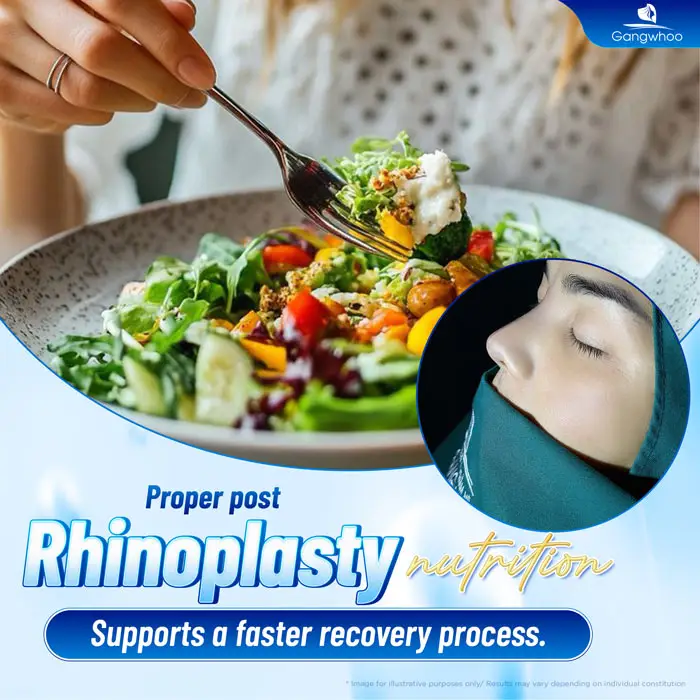
Swelling and water retention: Foods high in salt and processed ingredients can cause prolonged facial or nasal swelling.
Wound healing and scarring: Some foods overstimulate collagen or trigger allergic responses, leading to dark or raised scars.
Mechanical strain: Chewing hard or chewy foods puts pressure on facial muscles, which can indirectly affect the healing nasal structure.
That’s why at Gangwhoo Hospital, I always emphasize: a proper diet and post-surgical care are key to achieving a beautiful, long-lasting nose result.
What Are Sausages, and Why Should We Be Cautious After Rhinoplasty?
Ingredients & Characteristics:
Sausages belong to the “processed meat” group, typically made from pork, beef, or chicken, combined with salt, preservatives, and flavor enhancers. They are often fried or grilled. Most contain high sodium levels and various additives.
Why Sausages May Be a Concern Post-Surgery:
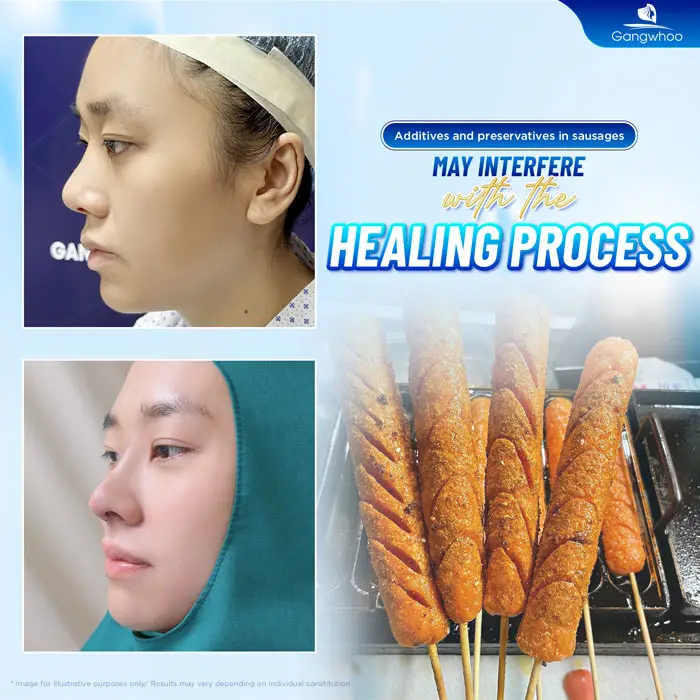
High sodium content: Increases water retention and facial swelling.
Preservatives and additives: Can trigger inflammatory responses in healing tissues.
Fried or oily texture: Harder to digest, slowing recovery.
Processed food quality: Less “clean” and nutrient-dense, which may delay tissue healing.
Relation to Rhinoplasty:
After rhinoplasty, swelling, redness, and mild discomfort are normal. Eating salty or inflammatory foods like sausages can worsen these symptoms, making the nose appear puffier and delaying shape stabilization.
Can You Eat Sausages After Rhinoplasty?
Overall Answer:
Based on my professional experience at Gangwhoo Aesthetic Hospital — you can eat sausages, but in moderation and at the right time. They are not strictly forbidden, but during the first few weeks, you should prioritize light, low-sodium, and minimally processed foods.
When to Avoid:
First 1–2 weeks: Healing tissues and nasal splints are still fragile — avoid processed foods like sausages.
First month (4–6 weeks): Excess salt and additives can prolong swelling and affect nose shape.
If you’re prone to keloid or prolonged inflammation: Avoid sausages longer than usual.
When You May Reintroduce Them:
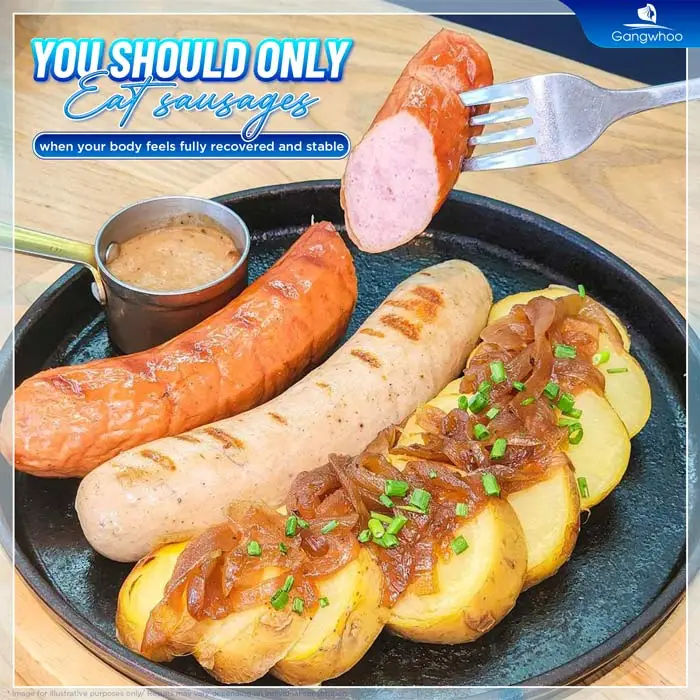
After 4–6 weeks, once your doctor confirms stability — you may eat small amounts of low-sodium, steamed, or boiled sausage.
Stop immediately if you notice new swelling, redness, or pain.
Why Limiting (Not Eliminating) Matters:
Nutrition is essential for recovery. If you crave certain foods, small portions are acceptable — as long as your overall diet prioritizes healing-friendly nutrients.
Risks of Eating Sausages Too Early
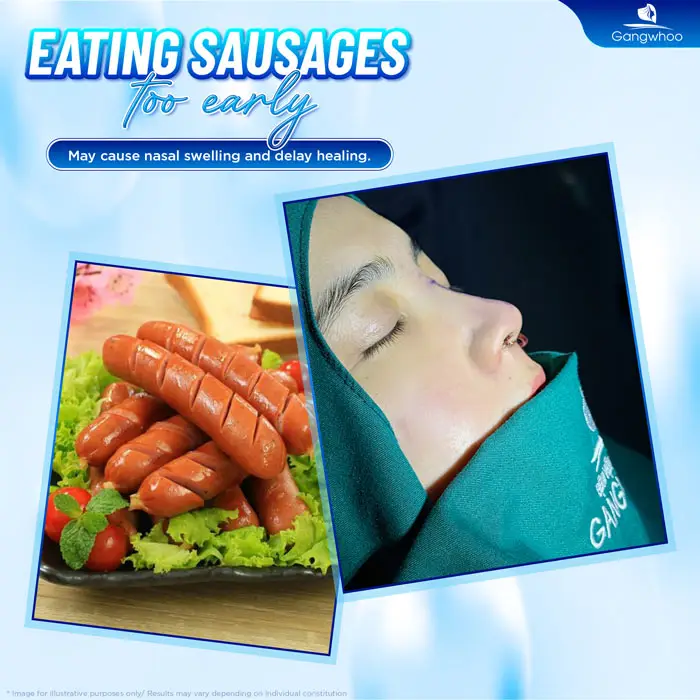
Prolonged Swelling & Water Retention
High-sodium processed foods can increase fluid accumulation around facial tissues, making the nose look puffier and slowing its final shape stabilization.
Inflammation or Poor Scar Healing
Although no direct study links sausages to post-rhinoplasty complications, general surgical guidelines show that processed meats and certain additives can trigger inflammation or abnormal collagen formation, increasing the risk of raised or dark scars.
Mechanical Stress on Nose Structure
Chewing hard or greasy foods may strain facial muscles, potentially shifting the nasal splint or causing minor swelling.
Psychological Impact
Swelling prolongation can delay visible aesthetic results, causing unnecessary anxiety. Maintaining proper diet helps your nose heal faster and look better sooner.
Recommended Post-Rhinoplasty Diet
Foods to Prioritize:
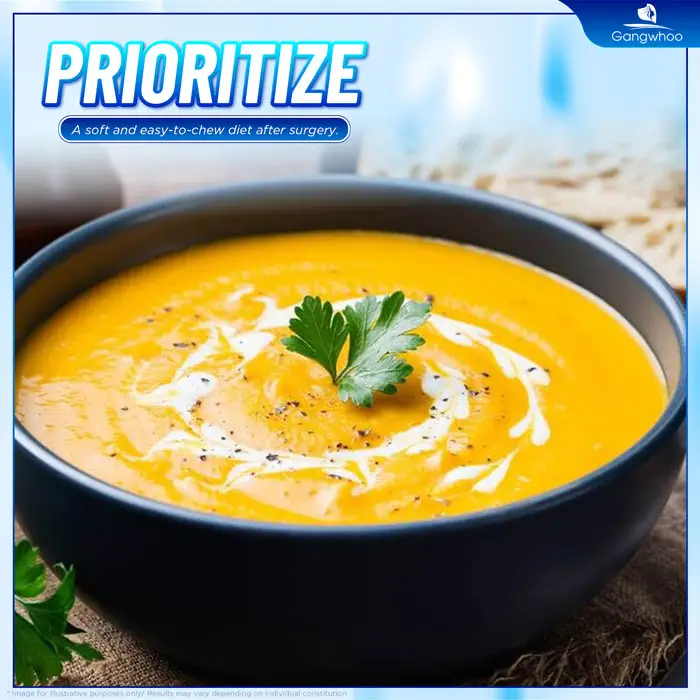
Soft, low-sodium meals: porridge, soup, soft rice, steamed vegetables.
Vitamin-rich fruits (A, C, E): oranges, kiwi, spinach, broccoli — for tissue repair and reduced inflammation.
Lean proteins: pork tenderloin, soft fish, tofu, yogurt (if tolerated).
Drink 2–3 liters of water daily to flush out excess fluids.
Foods to Avoid or Limit:
Hard or chewy foods: tough meats, nuts, candies.
Foods that may cause scarring or pigmentation: beef, morning glory.
Processed or salty foods, including sausages.
Seafood, chicken, or sticky rice (if prone to allergies or keloids).
Alcohol, caffeine, overly spicy or greasy foods.
If You Wish to Eat Sausages:
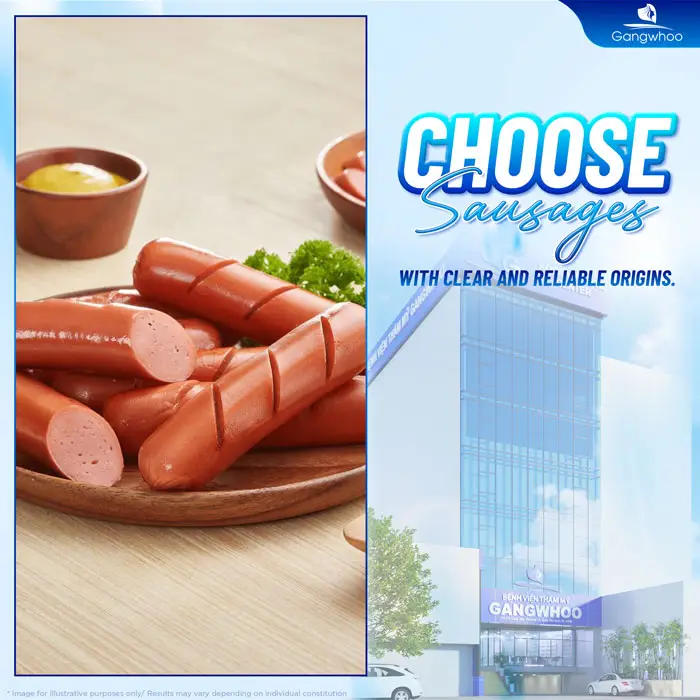
Wait at least 4–6 weeks or follow your surgeon’s advice.
Choose low-sodium, additive-free options; boil or steam instead of frying.
Eat in small portions with plenty of vegetables and water.
Monitor the next day: if swelling or redness increases, stop immediately and consult your doctor.
When to Contact Your Doctor Immediately
Sudden swelling, redness, warmth, pus, or persistent pain after eating processed foods.
Noticeable change in nasal shape or splint position.
Signs of keloid or raised scars around incision areas.
The success of a rhinoplasty doesn’t depend solely on surgical skill — post-operative care, especially diet, plays an equally important role.
For the question “Can You Eat Sausages After Rhinoplasty?” — I, Dr. Tran Kim Thach, affirm that it’s acceptable in moderation once your nose has stabilized. During the early recovery period, focus on light, low-salt, and nutrient-dense foods. If you wish to reintroduce sausages, wait until the swelling subsides, choose healthier versions, and consume small portions.
If you’d like personalized dietary guidance based on your condition and recovery phase, I can provide a 7–14 day detailed post-rhinoplasty meal plan tailored to your needs. Would you like me to prepare that for you?