
After rhinoplasty, diet is one of the key factors that directly affects the recovery process, the level of swelling, and long-term aesthetic results. Among the most common questions is “can you eat pork intestines after rhinoplasty?”, especially for patients who regularly eat dishes such as pork offal or pork intestine porridge. From a medical perspective and based on practical clinical experience at Gangwhoo Aesthetic Hospital, this article will help you clearly understand this issue in a scientific, accurate, and easy-to-understand manner.
Can You Eat Pork Intestines After Rhinoplasty?
From a medical standpoint, pork intestines should not be consumed in the early postoperative period after rhinoplasty, particularly during the first 7–10 days. Pork intestines are not considered an “absolutely forbidden” food after rhinoplasty; however, they are not recommended while the surgical wound is still healing.
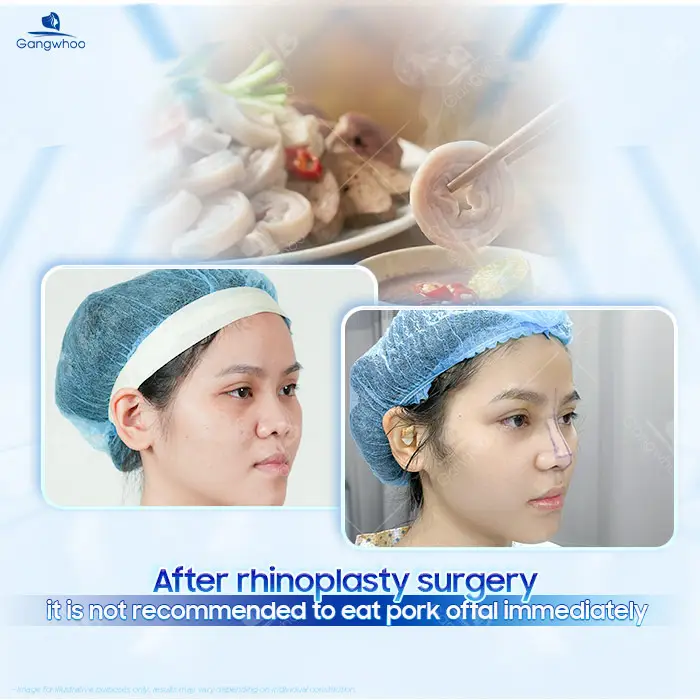
This recommendation is based on the body’s biological response after surgery. Even with minimally invasive rhinoplasty, the nasal area still undergoes soft tissue injury, vascular disruption, and a natural inflammatory response. During this phase, the body requires foods that are easy to digest, anti-inflammatory, and supportive of tissue regeneration. Pork intestines do not meet these criteria if consumed at an inappropriate time.
Why Are Many People Concerned About Eating Pork Intestines After Rhinoplasty?
Pork intestines belong to the group of animal organ meats, which are high in cholesterol, contain significant amounts of fat, and are often prepared with strong seasonings and salt. According to postoperative nutrition guidelines, foods rich in saturated fat and difficult to digest may increase systemic inflammation, indirectly affecting wound healing.

In clinical practice, I have encountered many patients at Gangwhoo whose postoperative swelling lasted longer than expected due to poor dietary control, including early consumption of organ meats, greasy foods, or spicy dishes. While this does not “ruin” the nasal shape, it can prolong recovery time and cause unnecessary anxiety for patients.
Medical Perspective: Does Eating Pork Intestines Damage the Nose Shape?
To date, there is no scientific evidence directly proving that eating pork intestines will damage the nasal shape after rhinoplasty. However, medicine is not based solely on simple cause-and-effect relationships, but on the overall physiological mechanisms of the human body.
International studies on postoperative wound healing consistently show that a diet rich in protein, vitamin C, zinc, and adequate energy intake promotes better soft tissue recovery, reduces the risk of inflammation, and shortens swelling duration. In contrast, foods that are difficult to digest and high in saturated fat offer no benefit to this process. Therefore, in aesthetic medical practice, we do not recommend eating pork intestines early after rhinoplasty, even though they are not considered a direct cause of poor aesthetic outcomes.
How Long Should You Avoid Pork Intestines After Rhinoplasty?
At Gangwhoo Aesthetic Hospital, based on postoperative monitoring and clinical experience, we usually advise the following:
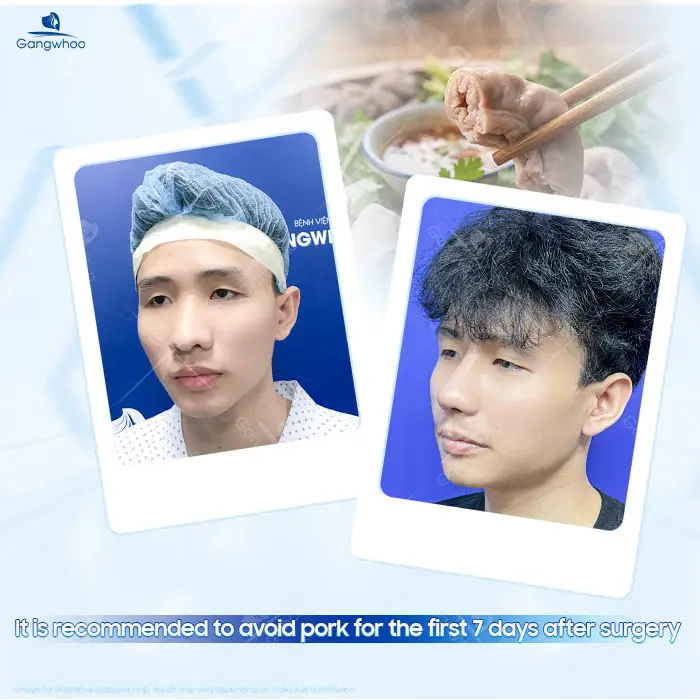
During the first 7 days after rhinoplasty, patients should avoid pork intestines and dishes such as pork intestine porridge. This is the stage when the surgical site is stabilizing, swelling is subsiding, and new connective tissue is forming. Consuming organ meats during this period may increase inflammation and prolong swelling.
From day 7 to day 14, if recovery is progressing well and there is minimal swelling or pain, patients may consider reintroducing small amounts, provided the food is hygienically prepared and lightly seasoned. This decision should still be guided by the attending physician’s evaluation.
After 14 days, once the soft tissues have become more stable, eating pork intestines generally no longer has a significant impact on rhinoplasty results, as long as consumption is moderate and a balanced diet is maintained.
What Should You Eat Instead of Pork Intestines After Rhinoplasty?
During the recovery phase, nutrition plays a critical role in reducing inflammation, promoting soft tissue regeneration, and shortening wound healing time. From a medical perspective, instead of worrying about Can You Eat Pork Intestines After Rhinoplasty, patients should focus on foods that have been scientifically proven to support postoperative recovery.
1. Protein-Rich Foods – The Foundation of Tissue Regeneration
Protein is essential for collagen synthesis and the regeneration of damaged tissues after surgery. Postoperative nutrition studies show that protein deficiency can delay wound healing and increase the risk of complications.
Recommended protein sources include:
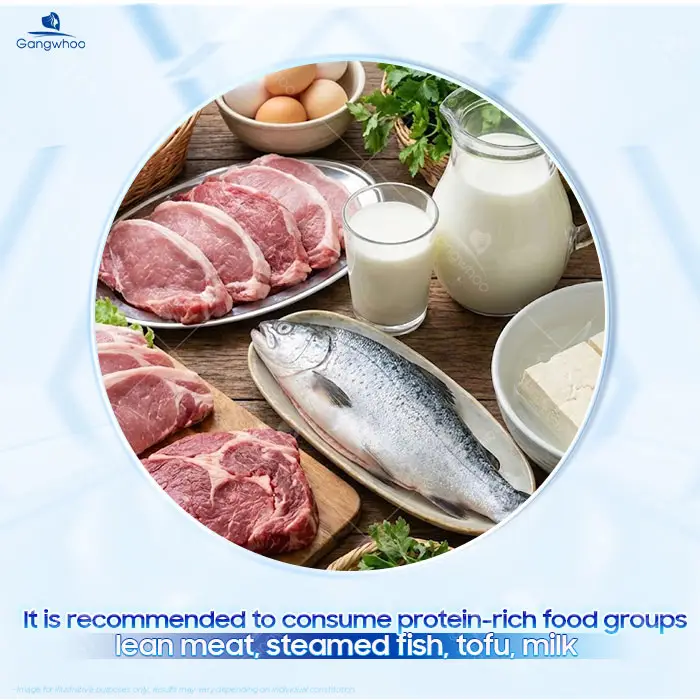
- Lean meats (lean pork, skinless chicken)
- Steamed fish or fish soup, avoiding fried preparations
- Eggs (especially boiled eggs)
- Low-fat milk and dairy products
- Tofu and other easily digestible legumes
These foods are safe, easy to absorb, and far more suitable than pork intestines in the early postoperative period after rhinoplasty.
2. Green Vegetables and Vitamin C–Rich Fruits – Supporting Wound Healing
Vitamin C plays an important role in collagen synthesis, immune enhancement, and reducing the risk of postoperative infection. International medical guidelines recommend adequate vitamin C intake from natural food sources after surgery.
Fruits and vegetables that should be consumed regularly include:
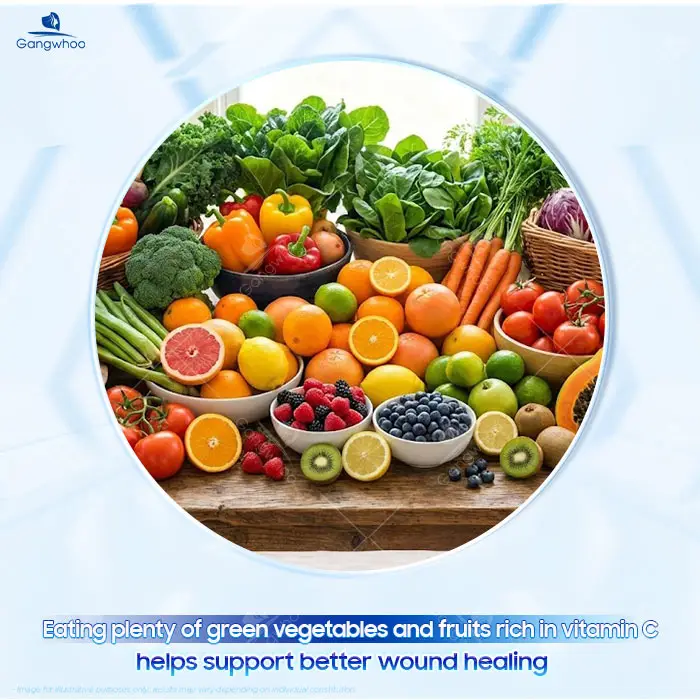
- Oranges, tangerines, kiwis, strawberries
- Guava, papaya, ripe mango
- Broccoli, leafy greens, spinach
These foods not only support better nasal recovery but also contribute to overall health during the postoperative period.
3. Zinc- and Micronutrient-Rich Foods – Enhancing Immunity
Zinc is an essential micronutrient for wound healing and immune function. Zinc deficiency can result in delayed wound closure and a higher risk of infection.
Good dietary sources of zinc include:
- Lean beef
- Eggs
- Milk
- Seeds and nuts (pumpkin seeds, sunflower seeds)
These foods provide zinc while remaining easy to digest and are more suitable than organ meats such as pork intestines.
4. Easily Digestible, Simply Prepared Foods
In the first days after rhinoplasty, digestive function may be reduced due to medication and inflammatory responses. Therefore, choosing easily digestible, low-fat foods is particularly important.
Preferred options include:
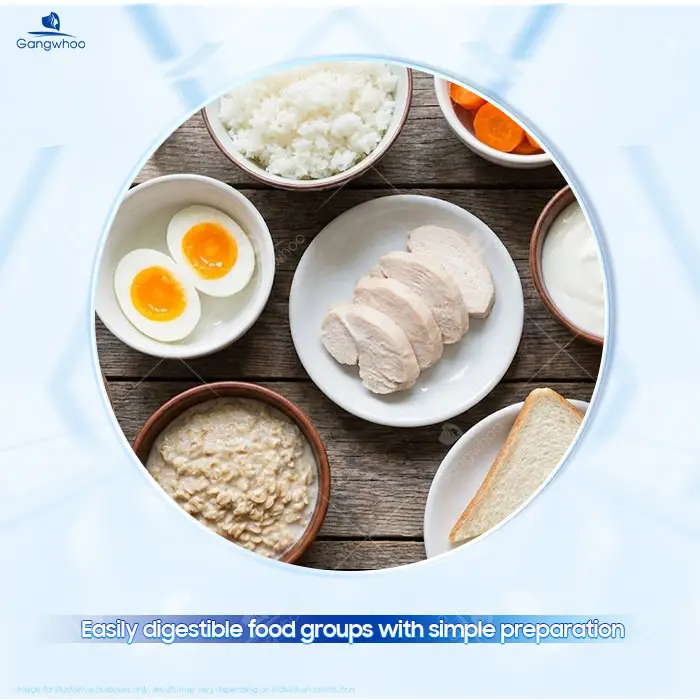
- Lean meat porridge
- Vegetable soups or minced meat soups
- Nutritional soups
This approach helps the body absorb nutrients more efficiently while minimizing bloating or indigestion, which can indirectly affect recovery.
5. Adequate Hydration – An Often Overlooked Factor
Water helps maintain blood circulation, transport nutrients to the surgical area, and eliminate inflammatory byproducts. After rhinoplasty, patients should drink sufficient fluids daily, prioritizing plain water and unsweetened fresh fruit juices.
Foods to Avoid Along with Pork Intestines After Rhinoplasty
From a professional standpoint, pork intestines are often grouped with other foods that should be avoided early after rhinoplasty, such as seafood, spicy foods, alcohol, and high-fat dishes. This dietary restriction is not based on folklore, but rather on the goal of minimizing inflammation, infection risk, and prolonged swelling during the tissue healing phase.
Whether you can eat pork intestines after rhinoplasty ultimately depends on the timing and your individual recovery status. Pork intestines are not strictly forbidden, but they should be avoided in the early postoperative period. Following dietary guidance and your physician’s instructions is essential for faster recovery and stable, long-lasting aesthetic results.
If you have recently undergone rhinoplasty or are preparing for surgery, do not hesitate to consult directly with your doctor at Gangwhoo Hospital for personalized dietary and postoperative care advice tailored to your condition.