
After cosmetic surgery, proper nutrition plays a vital role in supporting recovery and ensuring optimal results. That is why many patients ask, “Can you eat pineapple after rhinoplasty?” Pineapple is rich in vitamin C and contains Bromelain, a natural enzyme believed to help reduce swelling and inflammation.
However, some people are concerned that eating pineapple may interfere with wound healing or delay tissue recovery. So, what does medical evidence actually say? In this article, the specialists at Gangwhoo Cosmetic Hospital explain when it is safe to eat pineapple after rhinoplasty, the potential benefits of this fruit, and important dietary recommendations to promote a smooth and healthy recovery.
Can You Eat Pineapple After Rhinoplasty?

Yes. After rhinoplasty, you can safely eat pineapple in moderate amounts, provided you do not have a pineapple allergy or any medical contraindications advised by your surgeon. In many cases, pineapple may even support the recovery process because it contains Bromelain, along with vitamins and antioxidants that contribute to overall healing.
That said, this does not mean you should consume large amounts of pineapple immediately after surgery. The timing, serving size, and your individual health condition all play important roles in determining whether pineapple can effectively support wound healing.
At Gangwhoo Cosmetic Hospital, we frequently receive questions about post-rhinoplasty nutrition. One of the most common is, “Can you eat pineapple after rhinoplasty?” To answer this question accurately, it is essential to understand how the body heals after surgery and the nutritional properties of pineapple.
Why Are Many People Concerned About Eating Pineapple After Rhinoplasty?
Following any surgical procedure, patients are advised to follow an appropriate diet to minimize swelling, reduce the risk of infection, and promote faster tissue healing.
There is a common belief that eating pineapple may cause itching, delay wound healing, or increase the risk of hypertrophic or keloid scars. On the other hand, some people believe pineapple is beneficial because it helps reduce postoperative swelling.
In reality, there is currently no reliable scientific evidence showing that eating pineapple increases the risk of keloid scar formation in individuals without a predisposition to abnormal scarring. Keloid formation is influenced primarily by genetic factors, surgical technique, postoperative wound care, and each patient’s individual healing response.
If you are not allergic to pineapple, consuming it at the appropriate time is unlikely to have any negative impact on your rhinoplasty results.
How Does Bromelain in Pineapple Benefit Rhinoplasty Recovery?
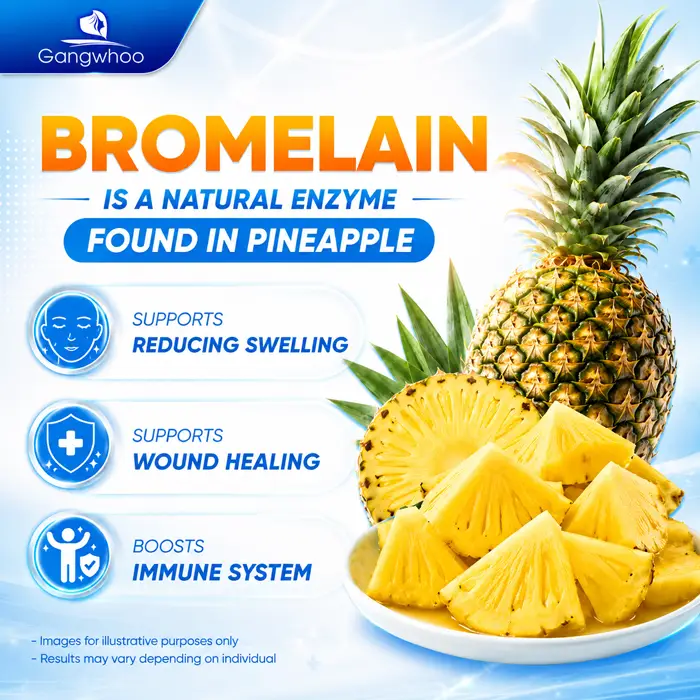
One of the main reasons pineapple is often recommended during recovery is its naturally occurring enzyme, Bromelain.
Bromelain is a proteolytic enzyme that helps break down proteins and has been studied for its potential role in reducing inflammation following trauma or surgery.
For patients recovering from rhinoplasty, Bromelain may offer several potential benefits:
1. May Help Reduce Swelling
After rhinoplasty, mild swelling and bruising are normal inflammatory responses. Bromelain is believed to help reduce tissue edema, which may improve comfort during the early stages of recovery.
However, it is important to understand that Bromelain serves only as a supportive nutritional component. Successful healing still depends primarily on surgical technique, proper postoperative care, and adherence to your surgeon’s instructions.
2. Supports Wound Healing
Besides Bromelain, pineapple is an excellent source of vitamin C, manganese, and various antioxidant compounds.
Vitamin C plays an essential role in collagen synthesis, which is crucial for repairing connective tissue after surgery. Adequate vitamin C intake may therefore contribute to more efficient tissue regeneration.
3. Promotes Overall Recovery
During the healing process, a strong immune system is essential for reducing the risk of infection and supporting tissue repair.
The vitamins and minerals found in pineapple help provide valuable nutrients that support overall health and may contribute to a smoother recovery after rhinoplasty.
How Long After Rhinoplasty Can You Eat Pineapple?
This is another common question we receive from patients at Gangwhoo Cosmetic Hospital.
Based on clinical experience, the appropriate time to introduce pineapple into your diet depends on each stage of the healing process.
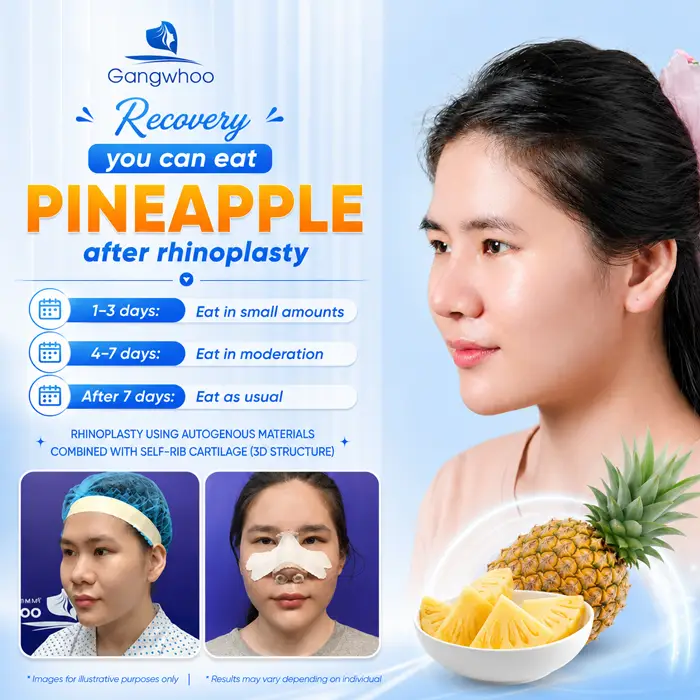
1. Days 1–3 After Surgery
During the first few days, your body is still experiencing its natural inflammatory response following rhinoplasty.
If you wish to eat pineapple during this period, it should only be consumed in very small amounts after meals. Patients with a history of stomach ulcers, acid reflux, or sensitivity to acidic foods are advised to avoid pineapple temporarily.
2. Days 4–7 After Surgery
By this stage, postoperative swelling typically begins to subside.
Patients may gradually add moderate amounts of ripe pineapple to their diet to benefit from its vitamin C content and naturally occurring Bromelain.
3. After the First Week
Once your surgical site has become more stable and your surgeon confirms that healing is progressing well, you can generally enjoy pineapple as part of a balanced, healthy diet.
How Should You Eat Pineapple to Support Recovery?

The key is not simply whether you eat pineapple, but how you consume it.
Choose naturally ripe pineapple instead of unripe fruit. Green pineapple contains higher levels of organic acids, which may irritate the mouth and digestive tract.
Avoid eating excessive amounts in a single serving. Moderate portions allow your body to absorb nutrients efficiently without causing digestive discomfort.
If you prefer pineapple juice, choose freshly squeezed juice without added sugar whenever possible.
Patients with a known allergy to pineapple or Bromelain should avoid consuming it altogether and inform their surgeon when discussing postoperative dietary recommendations.
What Other Fruits Should You Eat After Rhinoplasty?
A well-balanced diet is always more beneficial than relying on a single type of fruit.
In addition to pineapple, patients recovering from rhinoplasty are encouraged to include oranges, grapefruit, kiwi, apples, pomegranates, strawberries, blueberries, and avocados in their daily meals.
These fruits are rich in vitamin C, vitamin A, antioxidants, and dietary fiber, which help support tissue repair, strengthen the immune system, and reduce constipation during recovery.
Eating a variety of fruits also provides a broader range of nutrients, promoting overall healing and long-term health.
Foods You Should Still Limit After Rhinoplasty
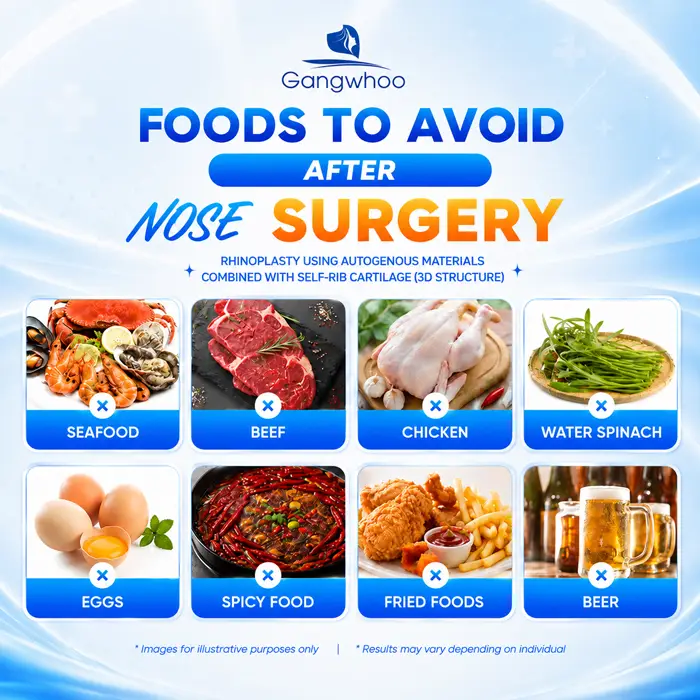
Although pineapple can be included in your diet after rhinoplasty, it is still important to follow your surgeon’s dietary recommendations throughout the recovery period.
During the first few weeks after surgery, patients are generally advised to avoid alcoholic beverages, smoking, spicy foods, and any foods or drinks that may irritate the body or interfere with the healing process.
As for foods such as beef, seafood, water spinach (Ipomoea aquatica), and sticky rice, the recommended restriction period may vary depending on your individual healing response and the rhinoplasty technique performed. Therefore, patients should always follow the personalized instructions provided by their surgeon rather than relying solely on anecdotal advice.
A Recommended Meal Plan for Faster Recovery After Rhinoplasty
During the first three days after surgery, soft and easy-to-digest foods are recommended, such as fish porridge, pumpkin soup, vegetable soup, yogurt, and fresh orange juice.
From day four to day seven, you can gradually include salmon, eggs, lean meat, green vegetables, and a moderate amount of ripe pineapple in your daily meals.
After approximately one week, provided your recovery is progressing well, you may resume a balanced diet rich in protein, vitamins, minerals, fresh fruits, and vegetables.
In addition, drinking enough water each day is essential for maintaining healthy circulation, supporting metabolism, and promoting tissue healing.
Conclusion
So, can you eat pineapple after rhinoplasty? The answer is yes. When consumed at the right time, in appropriate portions, and in the absence of any medical contraindications, pineapple can be a healthy addition to your post-rhinoplasty diet. Thanks to its Bromelain content, vitamin C, and powerful antioxidants, it may help support the body’s natural healing process.
However, nutrition is only one of several factors that influence your final surgical outcome. The surgeon’s expertise, the surgical technique, proper postoperative care, and attending all scheduled follow-up appointments are equally important for ensuring a stable nose shape and long-lasting aesthetic results.
If you have any concerns about your diet after rhinoplasty or would like personalized recovery advice, consult a qualified plastic surgeon. At Gangwhoo Cosmetic Hospital, our specialists provide individualized postoperative guidance to help every patient recover safely and achieve the best possible outcome.