
“Can I eat hu tieu after rhinoplasty?” is one of the most common questions I receive from patients during the first few days after surgery. Hu tieu is a familiar, easy-to-eat dish, but it often comes with ingredients such as seafood, beef, and warming spices. This makes many people worry about whether it could affect nasal healing and recovery. The article below will help you understand this issue clearly from a medical perspective.
Can you eat hu tieu after rhinoplasty?
From a professional standpoint, you can eat hu tieu after rhinoplasty. However, it should not be eaten immediately, and not all types of hu tieu are suitable.
Hu tieu noodles are made from rice flour, soft, easy to digest, and do not directly affect the nasal structure or surgical incision. The concern lies not in the noodles themselves, but in the timing, accompanying ingredients, and how the dish is consumed during the recovery phase.
Why do many people worry that eating hu tieu after rhinoplasty is harmful?
After rhinoplasty, the body needs time to heal, reduce swelling, and stabilize soft tissues. During this period, any factor that increases inflammation, vasodilation, or irritation may prolong swelling.
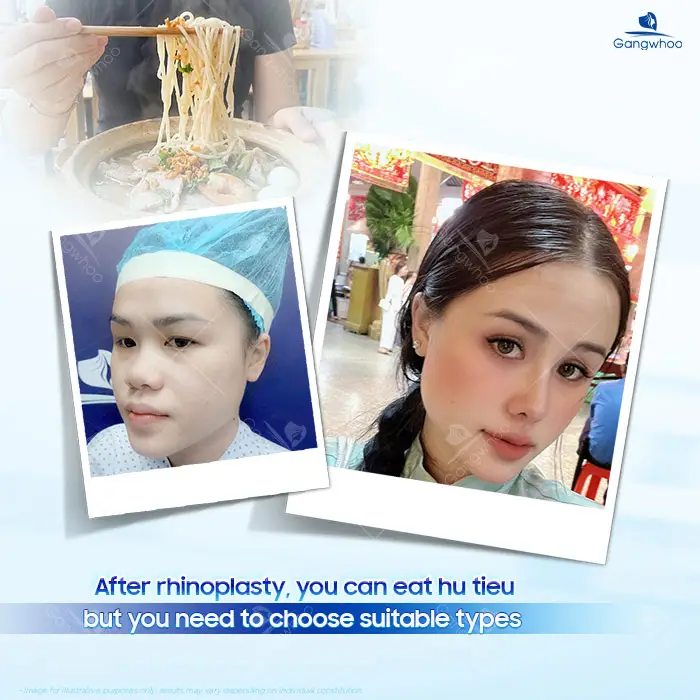
Hu tieu is typically served hot, with richly seasoned broth, sometimes spicy, and often includes seafood or beef. These factors can increase blood circulation, cause a feeling of tightness around the nose, or trigger stronger bodily responses—especially in sensitive individuals. This is why many people believe hu tieu should be avoided after rhinoplasty, although this belief is not entirely accurate.
How long after rhinoplasty is it safe to eat hu tieu?
The timing of eating hu tieu after rhinoplasty is the most important factor.

During the first 3–5 days after surgery, the nose is still significantly swollen and the incision is in the initial healing stage. At this time, you should avoid eating hu tieu, even vegetarian versions, as hot foods and chewing movements may cause discomfort.
From 7–10 days onward, when swelling has noticeably decreased and the wound is dry and more stable, you may eat hu tieu under certain conditions: light broth, not spicy, and not too hot.
After 3–4 weeks, most patients can return to a nearly normal diet. However, individuals with sensitive skin or a history of poor scarring should continue to follow their surgeon’s specific instructions.
Types of hu tieu you should and should not eat after rhinoplasty
Not all types of hu tieu are equally safe for patients who have recently undergone rhinoplasty. After surgery, the nasal area is in a phase of soft tissue healing, accompanied by physiological swelling and controlled inflammatory responses. Diet at this stage directly affects recovery speed, swelling severity, and overall comfort.
1. Vegetarian hu tieu – the best choice in early recovery

Vegetarian hu tieu is considered the safest and most suitable option during the early recovery period. Vegetable-based broth is low in protein and saturated fat and does not stimulate systemic inflammation. It is also easy to digest, which is important when the body is taking antibiotics, pain relievers, or anti-inflammatory medications after surgery.
Additionally, vegetarian hu tieu usually does not contain foods with a high risk of cross-allergic reactions, helping to minimize itching, flushing, or discomfort—factors that can indirectly make patients feel as though their nose is swelling longer than it actually is.
2. Pork or chicken hu tieu – acceptable with proper preparation
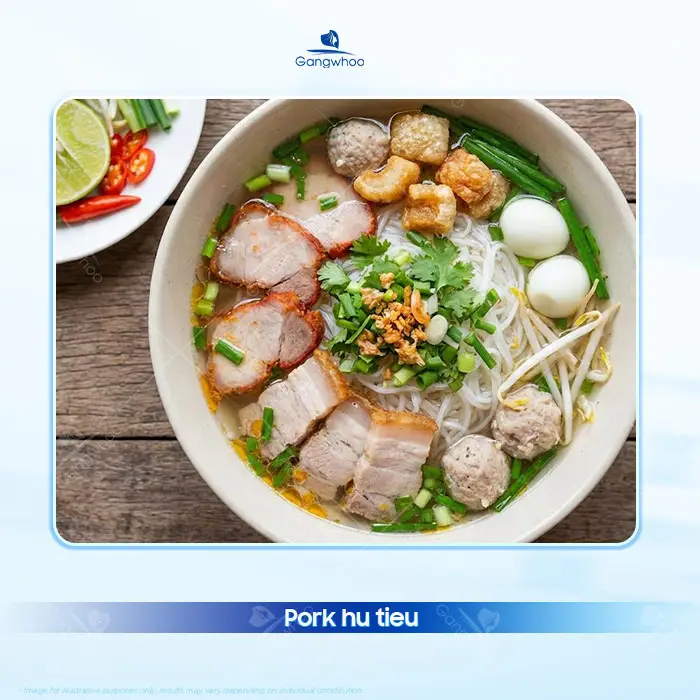
Pork or chicken hu tieu may be eaten once the acute swelling phase has passed, usually after 7–10 days, provided it is prepared appropriately.
Nutritionally, pork and chicken provide essential protein for tissue regeneration and wound healing. However, if the meat is tough, heavily seasoned, greasy, or the broth is too rich, the body may respond with increased inflammation, prolonging nasal tightness.
When eating meat-based hu tieu, choose soft-cooked meat, moderate portions, light broth, and avoid spicy or salty flavors. Overeating is also discouraged, as it can increase circulatory pressure and cause head and facial discomfort during recovery.
3. Seafood and beef hu tieu – not recommended during the first 2–3 weeks
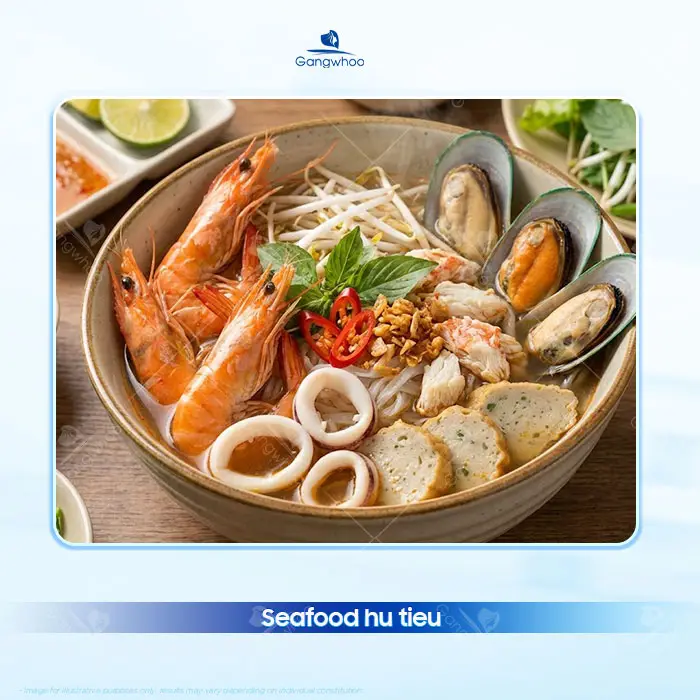
Seafood and beef hu tieu are not recommended for at least the first 2–3 weeks after rhinoplasty, especially for individuals with sensitive constitutions or a history of food allergies.
Medically, seafood carries a relatively high risk of allergic reactions, including itching, redness, or tingling sensations. While these reactions do not damage the nasal structure directly, they can stimulate systemic inflammation, prolonging nasal swelling.
Beef, due to its high protein content and warming nature, may increase peripheral blood flow in some individuals, causing nasal tightness or heat sensations while soft tissues are not fully stabilized.
Therefore, temporarily avoiding seafood and beef hu tieu is a preventive and safety-oriented measure, not a lifelong dietary restriction.
What happens if you eat hu tieu incorrectly after rhinoplasty?
In principle, eating hu tieu does not directly cause serious complications after rhinoplasty. However, consuming it at the wrong time, in the wrong form, or incorrectly may lead to undesirable effects related to inflammation and soft tissue healing.
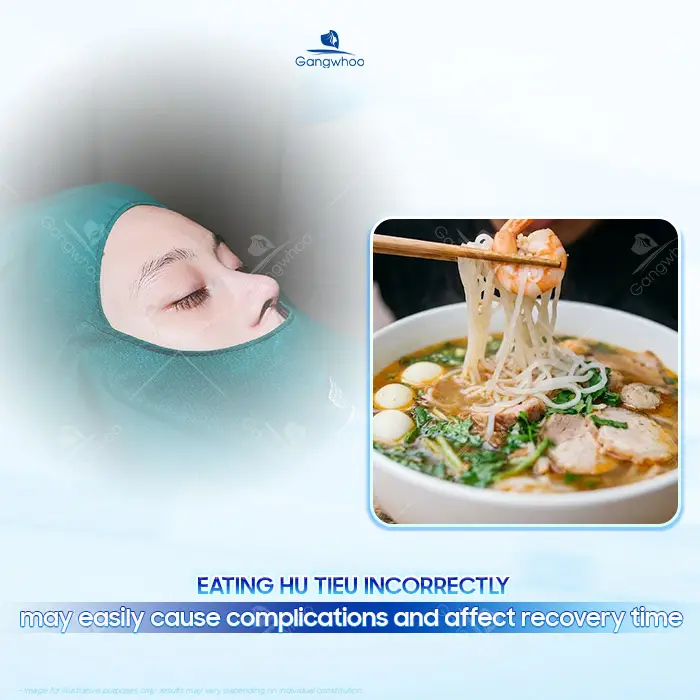
- Prolonged nasal swelling
- Persistent tightness, heaviness, or discomfort
- Increased irritation in sensitive individuals
- Delayed stabilization of nasal shape
What should you eat if you cannot eat hu tieu yet?
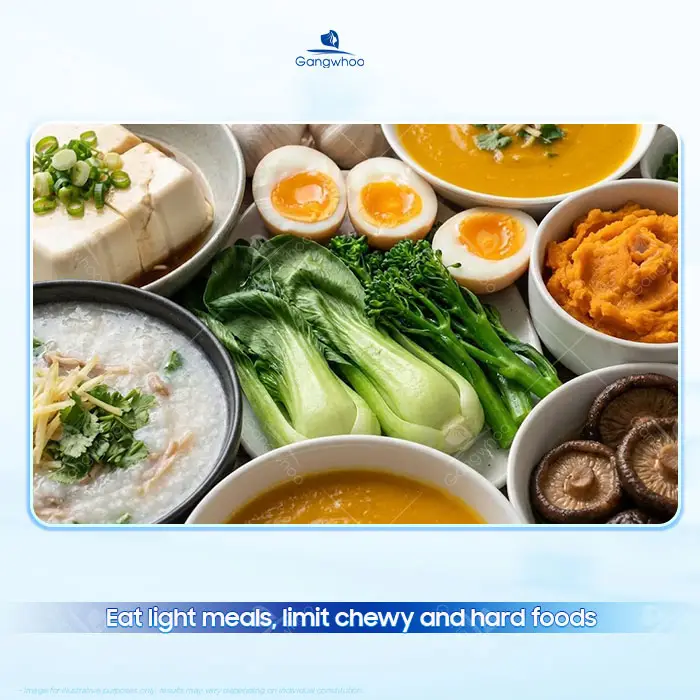
In the early stages after rhinoplasty, diet plays a crucial role in supporting wound healing, reducing swelling, and stabilizing soft tissues. When hu tieu is not yet suitable, patients should prioritize soft, easy-to-digest foods with low inflammatory potential.
1. First 3–5 days: soft, easily absorbed foods

- Minced meat porridge or vegetable porridge
- Vegetable soup or blended chicken soup
- Soft pasta or noodles without spicy seasoning
- Fruit smoothies, milk, yogurt
Foods should be consumed at cool or mildly warm temperatures, avoiding very hot meals.
2. From days 7–10: gradually diversify the diet
As swelling subsides and healing progresses, patients may gradually expand their diet while maintaining gentle eating habits.
In summary, the answer to “Can you eat hu tieu after rhinoplasty?” is yes—but only with the right timing, right type, and right approach. Hu tieu is not inherently harmful, but eating it too early, too hot, or with seafood or beef can prolong swelling and discomfort.
Most importantly, every rhinoplasty case is unique. To know exactly when and which type of hu tieu is suitable for your condition, you should consult directly with a qualified surgeon.
At Gangwhoo Aesthetic Hospital, every rhinoplasty patient receives personalized dietary guidance, postoperative care instructions, and close follow-up to ensure fast recovery, minimal swelling, and long-lasting aesthetic results. If you have concerns about post-rhinoplasty nutrition, feel free to contact us for professional medical consultation.