
After rhinoplasty, diet plays an important role in the recovery process and in stabilizing the nasal shape. Many patients wonder: “Can I eat fermented tofu (chao) after a nose job?” It is important to clarify that chao is fermented tofu, completely different from rice porridge, and it is a type of food that should be carefully considered during the postoperative period.
The article below analyzes this issue from a medical perspective, helping you correctly understand the nature of fermented tofu and make safe dietary choices during recovery after rhinoplasty.
What Is Fermented Tofu (Chao) and Why Should You Be Cautious After Rhinoplasty?
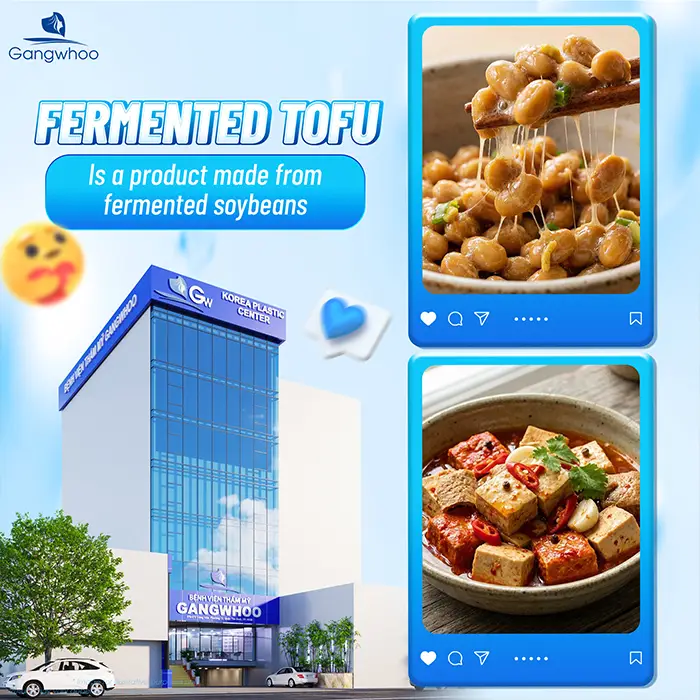
Fermented tofu (chao) is a product made from fermented soybeans through microbial processes. Fermentation gives chao its distinctive flavor, provides plant-based protein, and contains certain beneficial microorganisms. However, it also comes with a high salt content and the potential to stimulate immune responses in individuals with sensitive constitutions.
After rhinoplasty, the body enters a phase of soft tissue healing, during which the immune system focuses on tissue regeneration, inflammation control, and stabilization of nasal structures. Any factor that causes allergic reactions, mild inflammation, or fluid retention may prolong swelling beyond the normal recovery timeline.
According to medical literature on postoperative care, dietary intake during the early recovery phase should limit foods that are fermented, high in salt, or potentially irritating, as these can increase inflammatory responses and negatively affect tissue healing.
Can You Eat Fermented Tofu After Rhinoplasty?
From a professional medical standpoint, it is not recommended to eat fermented tofu during the early period after rhinoplasty, especially within the first 2–4 weeks.
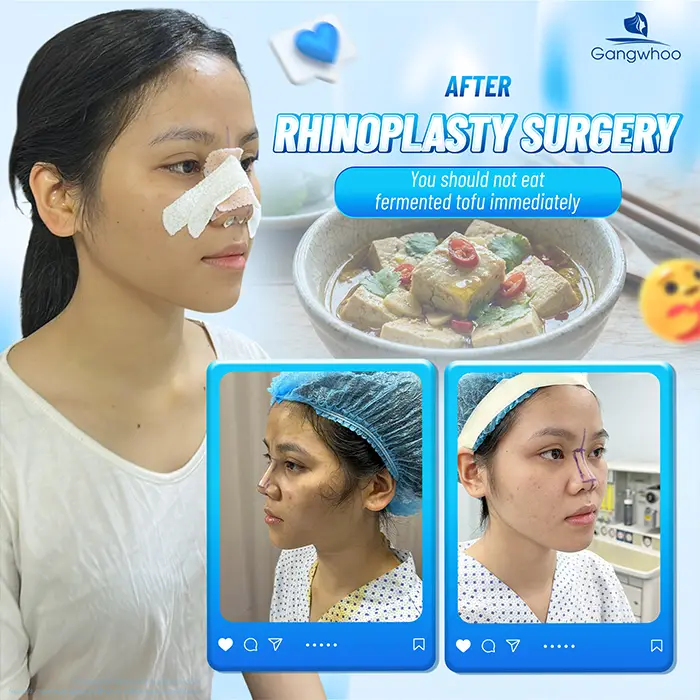
The reason is not because fermented tofu directly “causes infection” as some folk beliefs suggest, but rather due to the following physiological factors:
First, fermented tofu is a fermented food that may stimulate the immune system. In individuals with sensitive constitutions or a history of soy allergies, consuming chao may cause itching, mild rashes, or low-grade inflammatory reactions, which can prolong nasal swelling.
Second, fermented tofu contains a high salt content. High salt intake has been shown to increase fluid retention in tissues, causing the surgical area to remain swollen for a longer time. This is unfavorable for the postoperative shaping and stabilization of the nose.
Third, during the postoperative phase, the top priority is to create optimal conditions for stable tissue healing. Foods that may cause even mild irritation should be temporarily avoided to minimize unnecessary risks.
What Effects Can Eating Fermented Tofu After Rhinoplasty Cause?
From a medical perspective, eating fermented tofu early after rhinoplasty does not directly cause serious complications. However, it may lead to indirect adverse effects on nasal tissue recovery.
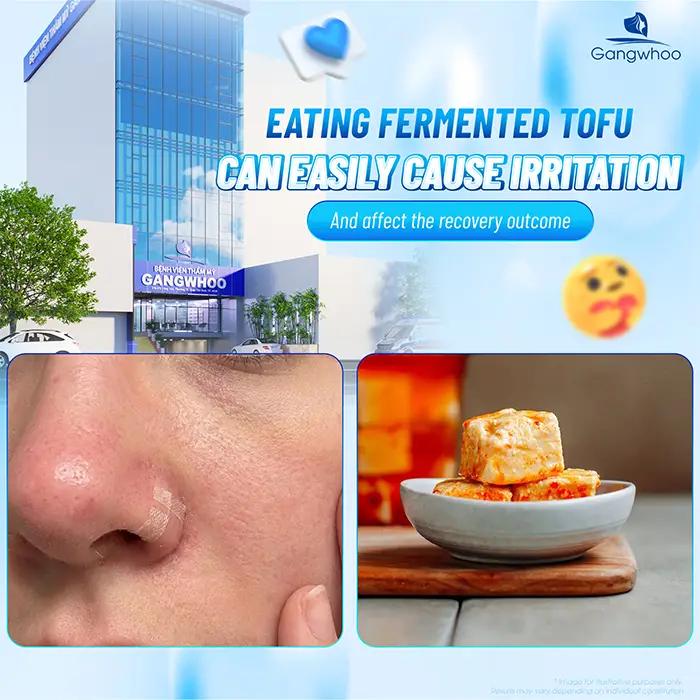
Fermented tofu, being a soy-based fermented product, produces biological metabolites during fermentation that can mildly stimulate immune responses. After rhinoplasty, the body is in a controlled physiological inflammatory state, which is a normal healing response. Introducing immune-stimulating foods during this period may prolong inflammation beyond what is necessary, leading to longer-lasting swelling.
Additionally, the high salt content of fermented tofu can increase osmotic pressure in interstitial tissues, resulting in fluid retention at the surgical site. In the nasal area, which contains delicate soft tissue and small blood vessels, this may present as persistent swelling, tightness, or discomfort, even in the absence of infection.
In individuals with sensitive constitutions or a history of allergies to soy or fermented foods, fermented tofu may trigger mild hypersensitivity reactions, such as itching, transient rashes, or tingling sensations around the nose. While not dangerous, these reactions can cause anxiety and negatively affect postoperative comfort.
In clinical practice, we have observed some patients who consumed fermented tofu early after rhinoplasty experiencing longer-than-expected swelling accompanied by mild itching or discomfort, without signs of infection or surgical complications. These symptoms typically improve after dietary adjustments.
It is important to emphasize that not everyone who eats fermented tofu will experience problems. However, postoperative medical recommendations are based on the principle of minimizing controllable risk factors. When safer dietary alternatives are available, patients are advised to prioritize them to ensure smooth recovery and optimal aesthetic outcomes.
When Can You Eat Fermented Tofu Again After Rhinoplasty?

In general, after approximately 2–4 weeks, once the wound has stabilized, swelling has significantly decreased, and there are no signs of inflammation, you may resume eating fermented tofu in small amounts.
However, resuming consumption should depend on certain conditions: absence of pain, redness, heat, abnormal discharge, and no personal history of soy or fermented food allergies. When eating fermented tofu for the first time after surgery, start with a small amount and monitor your body’s response for 24 hours.
Fermented Foods to Limit After Rhinoplasty
After rhinoplasty, the body enters a phase of controlled physiological inflammation to repair damaged tissues. During this time, dietary adjustments are necessary to avoid prolonging inflammation, reduce fluid retention, and minimize irritation of nasal soft tissues. Therefore, fermented and high-salt foods should be limited, especially during the first 2–4 weeks after surgery.
Fermented food groups to be cautious with include:
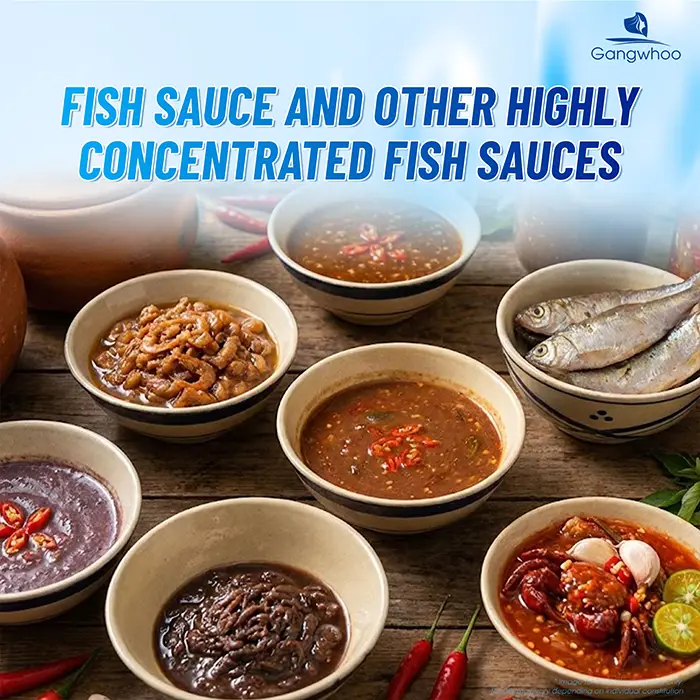
- Fish sauce and concentrated fermented sauces: High salt content may increase tissue swelling and cause prolonged edema.
- Pickled vegetables:</strong Naturally fermented and often high in histamine and salt, which may irritate healing tissues.
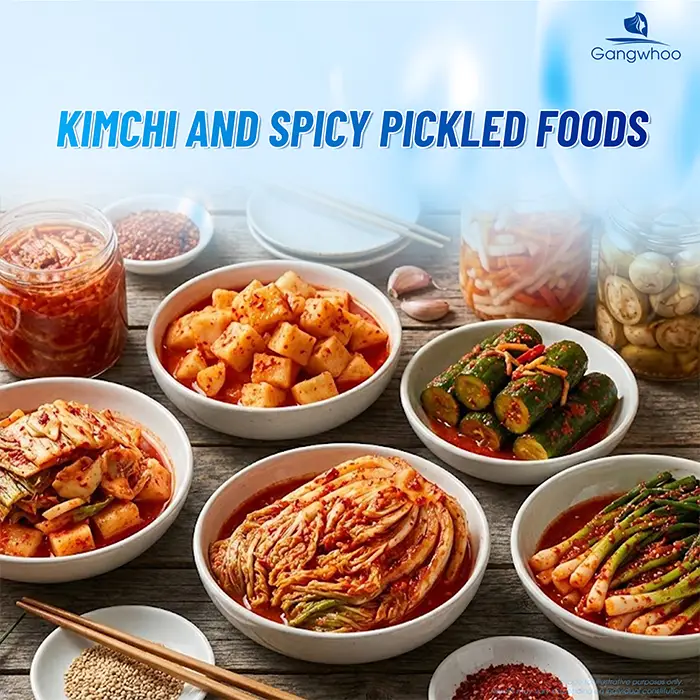
- Kimchi and spicy fermented foods:</strong Combine fermentation with spicy ingredients that may increase vascular dilation and swelling.
- Other heavily salted or fermented foods:</strong These may promote fluid retention and interfere with tissue stabilization.
The general principle during postoperative rhinoplasty recovery is to prioritize fresh, lightly seasoned, low-salt, and easily digestible foods. Limiting fermented foods is not about strict prohibition, but about reducing controllable risk factors to support smooth healing and optimal aesthetic results.
What Should You Eat After Rhinoplasty for Faster Recovery?
After rhinoplasty, the body requires adequate nutrition to support tissue regeneration, control physiological inflammation, and enhance immune function. From a medical nutrition perspective, the postoperative diet should prioritize the following food groups:
- Protein-rich foods: Essential for tissue repair and wound healing. Choose easily digestible sources such as lean meat, freshwater fish, eggs, milk, non-fermented tofu, and low-fat dairy products.

- Vitamin C–rich foods: Support collagen synthesis, reduce bruising, and enhance immune defense. Include citrus fruits, kiwi, guava, and broccoli.
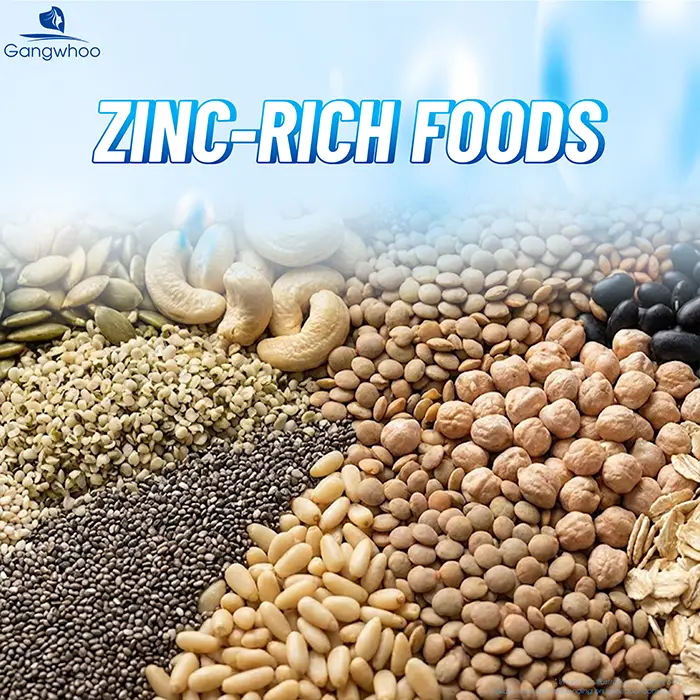
- Zinc-rich foods: Important for cell division and immune function. Sources include lean red meat, seafood (if no allergy), pumpkin seeds, cashews, and whole grains.
- Vitamin A and B-complex foods: Support epithelial regeneration, energy metabolism, and reduce postoperative fatigue. Found in carrots, pumpkin, liver (in moderation), whole grains, and dark leafy greens.
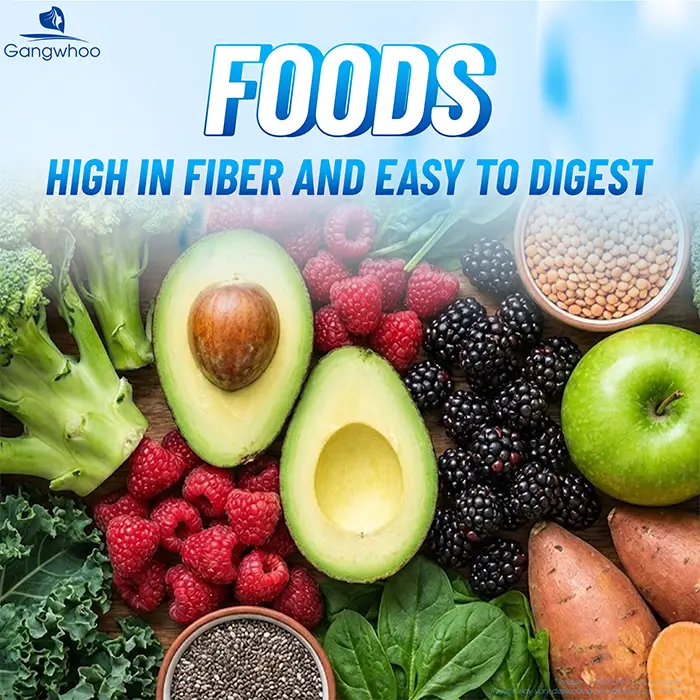
- Fiber-rich, easily digestible foods: Help maintain digestive health and prevent constipation associated with pain medications.
- Adequate water intake: Helps eliminate inflammatory mediators, improve circulation, and reduce soft tissue swelling.
The general guideline is to maintain a balanced diet with fresh foods, limit spicy seasonings and salt during the early recovery phase. Adequate nutrition supports faster healing, stabilizes nasal shape, and optimizes aesthetic outcomes.
Post-rhinoplasty dietary care does not need to be overly restrictive, but being appropriate and sufficient will help ensure a faster and safer recovery. Regarding the question “Can you eat fermented tofu after rhinoplasty?”, the professional recommendation is to avoid it during the early recovery phase and resume only when the nose has stabilized.
Each individual and each rhinoplasty technique has a different recovery timeline. Therefore, for the most accurate guidance, you should consult directly with your treating physician or the medical team at Gangwhoo Aesthetic Hospital for personalized, safe, and evidence-based advice.