
Can you eat fermented fish sauce after rhinoplasty? Learn why doctors recommend avoiding fermented fish sauce after nose surgery, how long you should refrain from eating it, and which foods support a faster, smoother recovery.
Can You Eat Fermented Fish Sauce After Rhinoplasty?
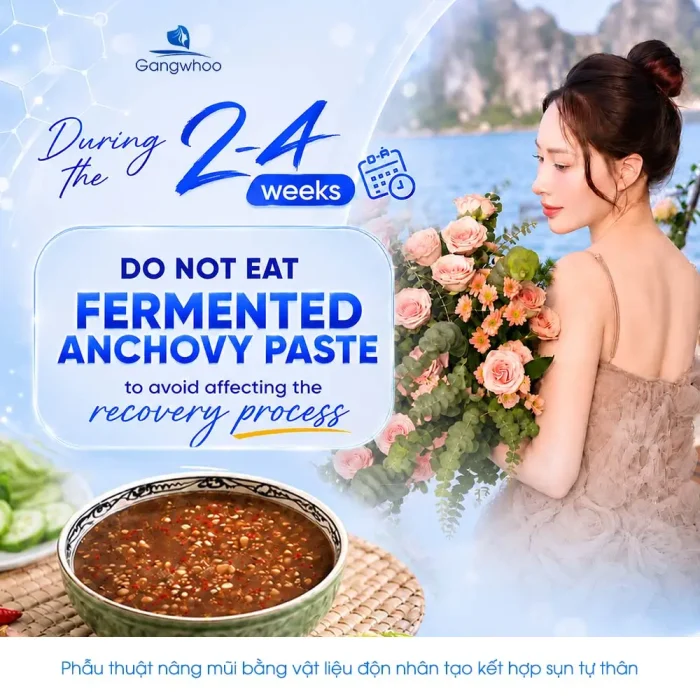
“Can you eat fermented fish sauce after rhinoplasty?” is one of the most common questions surgeons receive during post-operative follow-up visits. For many Vietnamese people, fermented fish sauce (mắm nêm) is a familiar condiment enjoyed in daily meals. However, after rhinoplasty, your diet plays a significant role not only in your overall health but also in wound healing and the final aesthetic outcome.
Based on extensive experience monitoring patients throughout the recovery process, plastic surgeons generally recommend avoiding fermented fish sauce during the early healing stage, especially throughout the first 2–4 weeks after surgery or until the soft tissues have stabilized according to your surgeon’s assessment.
This recommendation does not mean that fermented fish sauce directly causes surgical complications. Instead, it is a precautionary measure intended to minimize factors that could potentially interfere with healing while allowing the nose to recover properly and achieve the desired shape.
In this article, we explain why fermented fish sauce is commonly restricted after rhinoplasty, when it can safely be reintroduced into your diet, and which nutritional habits may help support a smoother recovery.
Why Do Doctors Recommend Avoiding Fermented Fish Sauce After Rhinoplasty?
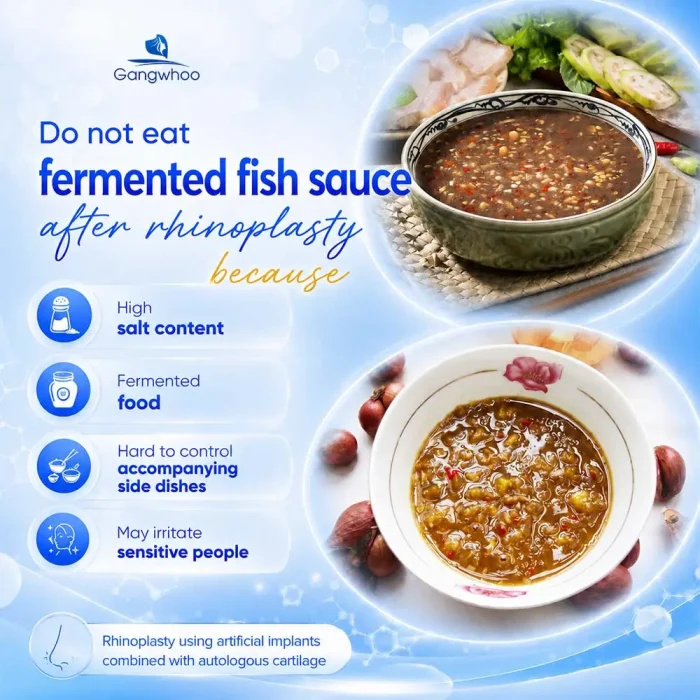
1. It Contains a High Amount of Sodium
One of the characteristics of fermented fish sauce is its relatively high sodium content. Consuming excessive salt may contribute to water retention, which can prolong swelling in some individuals during the recovery period.
In reality, every patient heals differently depending on their individual physiology. Nevertheless, during post-operative care, surgeons aim to eliminate any unnecessary factors that could potentially delay healing rather than waiting for problems to develop.
For this reason, patients are generally advised to follow a lower-sodium diet during the first few weeks after rhinoplasty.
2. It Is a Fermented Food
Fermented fish sauce is produced through a natural fermentation process.
Currently, there is no strong scientific evidence demonstrating that fermented foods directly compromise rhinoplasty results. However, during the early recovery period, surgeons typically encourage patients to consume freshly prepared, minimally processed foods that are easier to monitor in terms of quality and hygiene.
This principle is widely applied in post-operative care across many surgical specialties, not only in cosmetic surgery.
3. It Is Commonly Consumed with Other Foods That Are Often Restricted
From a clinical perspective, the primary concern is not only the fermented fish sauce itself but also the foods that are commonly served alongside it.
Examples include:
- Seafood
- Spicy grilled dishes
- Beef
- Duck meat
- Alcoholic beverages
Eating several restricted foods together during the early recovery phase may increase the likelihood of prolonged swelling or delayed healing in certain patients.
Therefore, temporarily avoiding fermented fish sauce also helps patients maintain a more controlled and recovery-friendly diet.
4. It May Reduce the Risk of Irritation in Sensitive Individuals
Not everyone responds to food in the same way. Individual healing capacity and dietary tolerance can vary considerably.
During follow-up appointments, surgeons occasionally encounter patients with heightened sensitivity to strongly seasoned or fermented foods. In these cases, maintaining a mild, balanced diet may help reduce unnecessary irritation during tissue healing.
For this reason, surgeons evaluate each patient’s overall nutritional habits instead of focusing on a single food item.
What Happens If You Eat Fermented Fish Sauce Too Soon After Rhinoplasty?
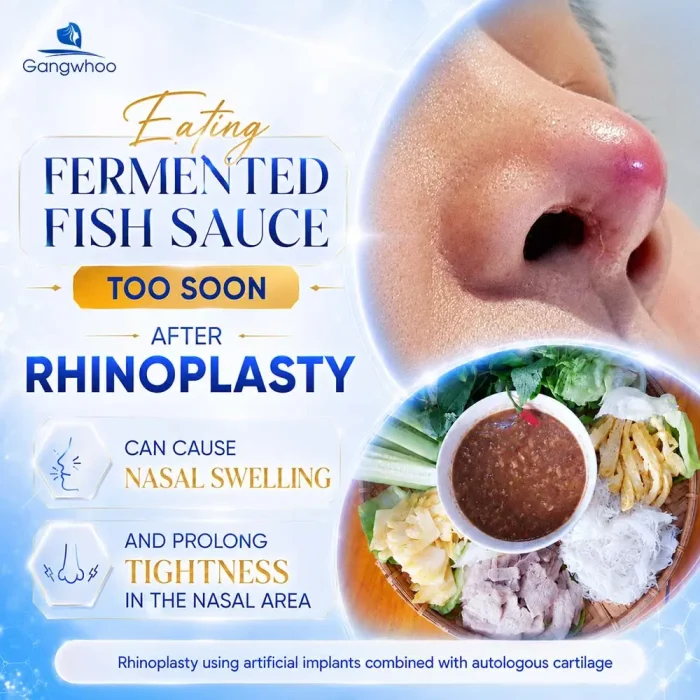
In most cases, eating a small amount of fermented fish sauce once is unlikely to cause immediate complications. However, consuming it regularly before the nose has fully stabilized may contribute to prolonged swelling, increased tightness around the surgical area, or difficulty following your surgeon’s recommended recovery diet.
Some patients also become less cautious once the initial swelling begins to subside after several days. In reality, internal tissue healing continues for several weeks or even months after surgery. Therefore, following your surgeon’s dietary and aftercare instructions throughout the entire recovery period offers the safest approach.
It is important to remember that successful rhinoplasty depends not only on surgical technique but also on proper post-operative care. A balanced diet helps support tissue repair, minimizes unnecessary inflammation, and contributes to a more natural-looking final result.
How Long Should You Avoid Fermented Fish Sauce After Rhinoplasty?
This is another question surgeons hear frequently from patients.
There is no universal timeline because recovery varies depending on individual healing ability, the surgical technique used, and the complexity of the procedure.
However, based on clinical experience, the following recommendations are commonly provided:
| Recovery Period | Recommendation |
|---|---|
| Days 1–7 | Avoid fermented fish sauce completely. |
| Days 7–14 | Continue avoiding it to support soft tissue healing. |
| Weeks 2–4 | Consider reintroducing it only if your recovery is progressing well and your surgeon approves. |
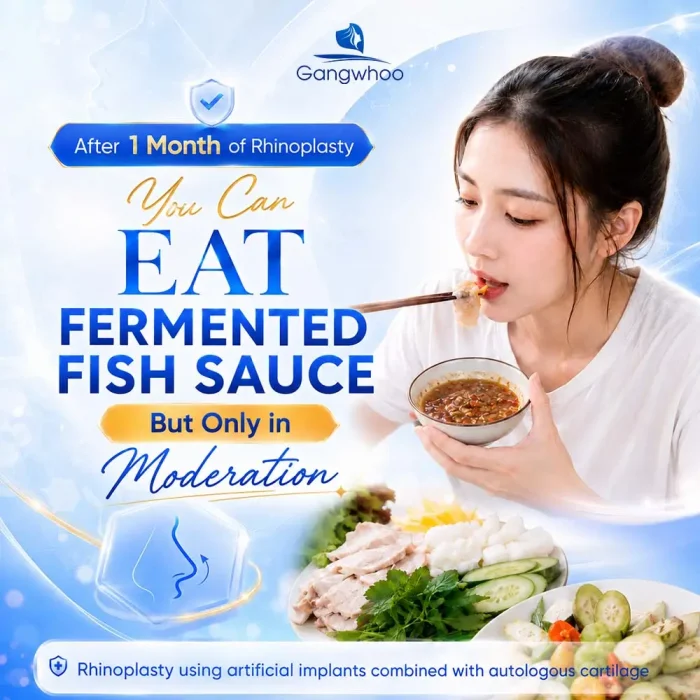
| After 1 Month | Most patients may resume eating fermented fish sauce in moderation if healing is satisfactory. |
If you undergo structural rhinoplasty, revision rhinoplasty, or a more complex nasal reconstruction, your dietary restrictions may last longer than those for a standard cosmetic rhinoplasty. Therefore, the recommendations provided by your operating surgeon should always take priority.
What Other Foods Should You Avoid After Rhinoplasty?
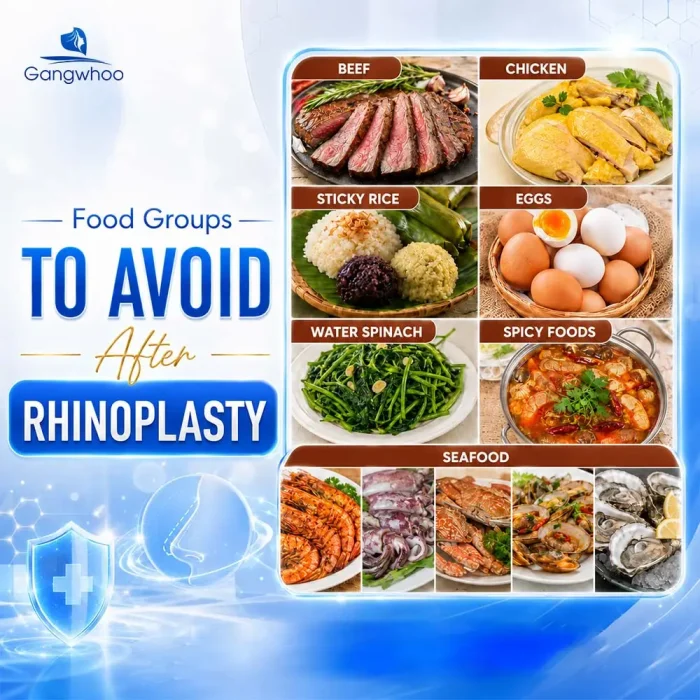
In reality, fermented fish sauce is just one of several foods that surgeons commonly recommend avoiding during the early stages of rhinoplasty recovery. More importantly, patients should follow a balanced, nutritious diet that supports tissue regeneration and minimizes the risk of inflammation or delayed healing.
During the first 2–4 weeks after surgery, seafood is often restricted, particularly for patients with a history of food allergies. Allergic reactions such as itching or skin irritation may cause patients to unintentionally touch or rub the nose, potentially affecting the healing process.
Beef is another food that many surgeons advise patients to temporarily avoid. Although scientific evidence regarding the relationship between beef consumption and scar formation remains inconclusive, limiting beef intake for a short period is considered a cautious approach, especially for individuals who are prone to hyperpigmentation or hypertrophic scars.
Water spinach is also commonly included on the list of foods to avoid because it may stimulate excessive scar tissue formation in susceptible individuals. Likewise, sticky rice dishes are often discouraged while swelling is still present, as some patients report prolonged discomfort during the early healing period.
Alcohol, tobacco, and other stimulants should be avoided entirely during recovery. Nicotine constricts blood vessels, reducing oxygen delivery to healing tissues and potentially slowing wound repair. Alcohol, on the other hand, may dilate blood vessels and contribute to prolonged swelling and bruising.
It is important to remember that dietary restrictions should not be identical for every patient. At Gangwhoo Cosmetic Hospital, surgeons evaluate each patient’s healing progress during follow-up appointments and provide individualized dietary recommendations rather than applying a fixed recovery timeline for everyone.
What Should You Eat After Rhinoplasty to Promote Faster Healing?

Besides asking “Can you eat fermented fish sauce after rhinoplasty?”, many patients also want to know which foods can help reduce swelling and support a smooth recovery.
Based on post-operative care experience, maintaining a balanced diet is far more beneficial than simply avoiding a few specific foods.
High-quality protein from lean pork, fish, eggs, and other healthy sources provides essential amino acids needed for tissue repair and regeneration. Fresh vegetables and fruits supply vitamins, minerals, and antioxidants that help the body recover more efficiently.
Vitamin C deserves particular attention because it plays an essential role in collagen synthesis, an important process during wound healing. Fruits such as oranges, grapefruits, kiwis, guavas, and strawberries are excellent dietary choices unless otherwise advised by your healthcare provider.
Staying well hydrated is equally important. Drinking enough water supports healthy circulation, promotes normal metabolic function, and may help relieve dry mouth caused by certain post-operative medications.
In clinical practice, patients who consistently follow a healthy diet, stay hydrated, and get sufficient rest often experience a smoother recovery and feel more comfortable throughout the healing process.
Additional Tips for a Smooth Rhinoplasty Recovery
Nutrition is only one aspect of successful post-operative care. Achieving an optimal rhinoplasty outcome also depends on following your surgeon’s recovery instructions carefully.
During the first week after surgery, sleeping with your head elevated can help minimize swelling. Patients should also avoid sleeping on their side or stomach, as unnecessary pressure on the nose may interfere with healing.
When washing your face or performing daily hygiene routines, use gentle movements and avoid direct pressure on the nasal bridge. If you wear prescription glasses, consult your surgeon before using them again, as the weight of the frames may affect the healing nasal structure during the early recovery period.
Patients should also take all prescribed medications exactly as instructed, attend scheduled follow-up visits, and never attempt to reshape or manipulate the nose themselves.
One piece of advice surgeons frequently share with patients is to remain patient throughout the healing process. Although the initial swelling gradually improves within the first few weeks, the internal tissues continue to remodel for several months. As healing progresses, the nose becomes softer, more refined, and increasingly natural in appearance.
Carefully following your surgeon’s recommendations remains one of the most effective ways to achieve a stable, long-lasting rhinoplasty result.
Conclusion
Can you eat fermented fish sauce after rhinoplasty? In general, surgeons recommend avoiding fermented fish sauce during the early stages of recovery, especially throughout the first two to four weeks or until the nasal tissues have healed adequately. Although there is currently no strong scientific evidence proving that fermented fish sauce directly compromises rhinoplasty results, temporarily avoiding it is considered a sensible precaution that supports optimal wound healing.
Clinical experience has consistently shown that patients who carefully follow their surgeon’s instructions regarding diet, medication, daily activities, and follow-up appointments often recover more comfortably, experience less prolonged swelling, and achieve more stable aesthetic outcomes.
If you have questions about your post-rhinoplasty diet or recovery process, consult your surgeon for personalized guidance. Every patient heals differently, and individualized aftercare recommendations remain the best way to ensure a safe recovery and the most natural-looking rhinoplasty results.