
“Can you eat eggs after rhinoplasty?” is one of the most common questions I receive from patients during the first days after surgery. Many people worry that eating eggs may cause scarring, pus formation, or negatively affect rhinoplasty results. However, when viewed from a modern medical perspective, this issue needs to be properly understood to avoid unnecessary dietary restrictions or misconceptions that could slow down recovery.
In this article, I will provide accurate, evidence-based explanations grounded in medical literature and clinical experience, helping you clearly understand whether you can eat eggs after rhinoplasty, when it is appropriate to do so, and which situations require caution.
Can you eat eggs after rhinoplasty?
From a medical standpoint, there is no scientific evidence proving that eggs cause scarring or wound infection after rhinoplasty. On the contrary, eggs are a source of complete protein, which is essential for tissue regeneration and wound healing.
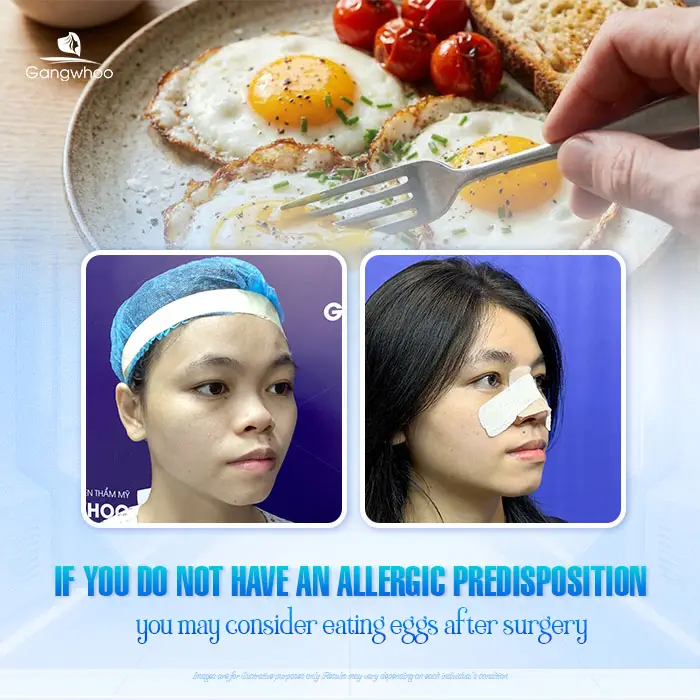
Under normal conditions, if a patient does not have an egg allergy, the surgical incision is dry, shows no signs of infection, and the procedure was performed using proper techniques, then eating eggs after rhinoplasty is generally safe.
However, the timing and proper way of consuming eggs are key factors that determine safety and recovery effectiveness.
Why do many people believe eggs should be avoided after rhinoplasty?
The belief that “eating eggs causes scars” mainly originates from folk experience passed down through generations. In the past, when medical conditions, sterilization, and surgical techniques were limited, postoperative inflammation and infections were more common. If patients consumed foods that triggered allergic reactions, wounds could become more inflamed, leading to the misconception that eggs caused scarring.
However, modern medicine has demonstrated that scar formation results from excessive collagen production, which is influenced by individual healing tendencies, surgical technique, and postoperative care — not directly by eating eggs.
Many postoperative care guidelines from major hospitals in the UK and the US allow patients to resume a normal diet, prioritizing soft and protein-rich foods, in which eggs are considered beneficial for recovery.
Can eating eggs after rhinoplasty cause pus or infection?
Pus formation after rhinoplasty does not result from eggs themselves. It is usually caused by factors such as wound infection, improper postoperative care, inadequate surgical technique, or a strong inflammatory response.
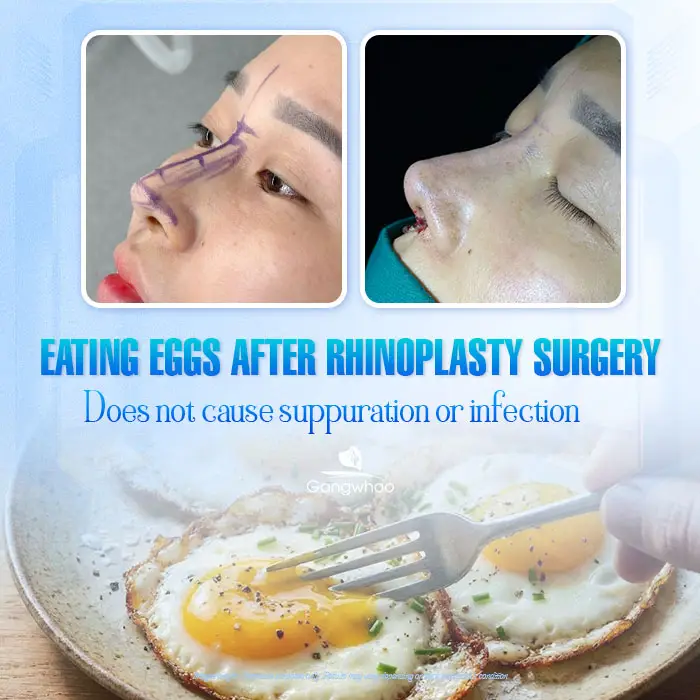
Biologically, eggs do not increase the risk of infection when they are fully cooked and prepared safely. In fact, the protein in eggs directly supports new tissue synthesis, helping wounds heal faster.
That said, patients should avoid raw eggs, soft-boiled eggs, or improperly prepared eggs during the postoperative period, as gastrointestinal infections could indirectly affect recovery.
How long after rhinoplasty can you eat eggs?
Based on practical clinical experience at Gangwhoo Aesthetic Hospital, I usually advise patients according to each recovery stage.
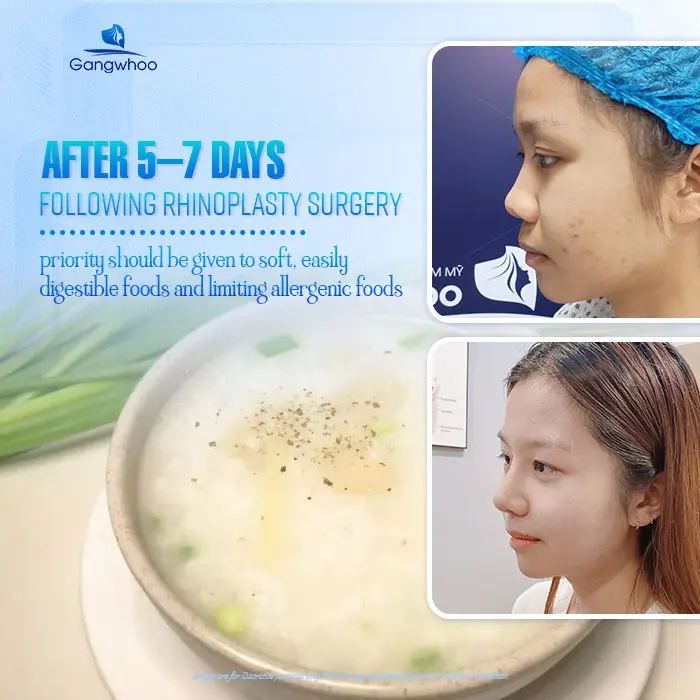
During the first 5–7 days after rhinoplasty, the body is undergoing a normal inflammatory response. Patients should prioritize soft, easily digestible foods and limit foods that may trigger allergies, especially if they have sensitive constitutions. For individuals who do not regularly consume eggs, I often recommend temporarily avoiding eggs during the first week to allow the body to stabilize.
After 7–10 days, once the incision has dried, swelling has significantly reduced, and there are no signs of infection, fully cooked boiled or steamed eggs are generally safe for most patients.
For patients who recover well and have no allergic tendencies, consuming eggs earlier does not usually cause negative effects, as long as postoperative care instructions are strictly followed.
Who should limit or avoid eating eggs after rhinoplasty?
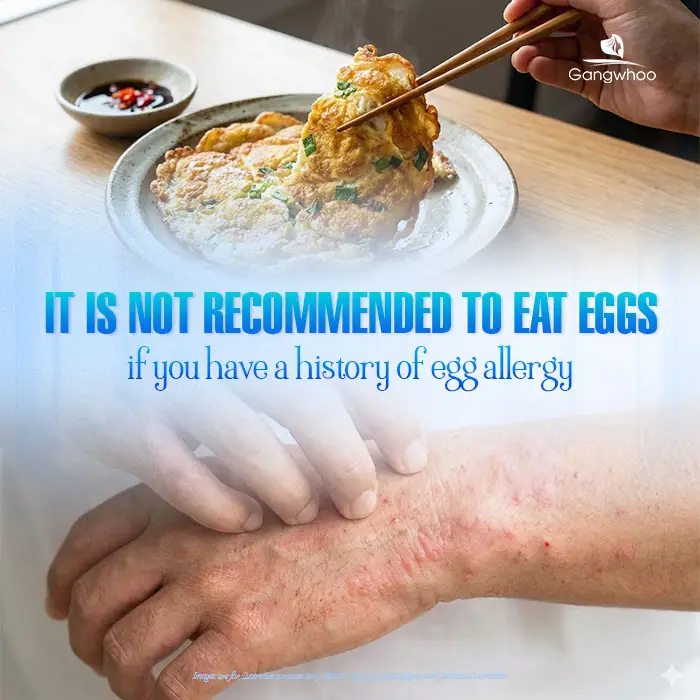
In clinical practice, I pay special attention to patients with a history of egg allergy, keloid-prone skin, or prolonged inflammatory symptoms such as persistent swelling, increasing pain, or abnormal discharge. In such cases, dietary caution is necessary, and patients should follow individualized instructions from their treating physician rather than applying a universal timeline.
The most important factor is not “how long to avoid eggs,” but rather closely observing the body’s response and maintaining communication with the doctor throughout the recovery process.
Foods that help wounds heal faster after rhinoplasty
For patients who do not wish to eat eggs immediately after rhinoplasty, or those with sensitive constitutions or food allergies, choosing appropriate alternative nutritional sources is essential to ensure smooth recovery.
Medically, the primary goal of post-rhinoplasty nutrition is to provide sufficient protein, vitamins, and minerals to support tissue regeneration, reduce inflammation, and enhance immunity. Protein is not only found in eggs but also in many other foods that can effectively replace them when consumed properly.
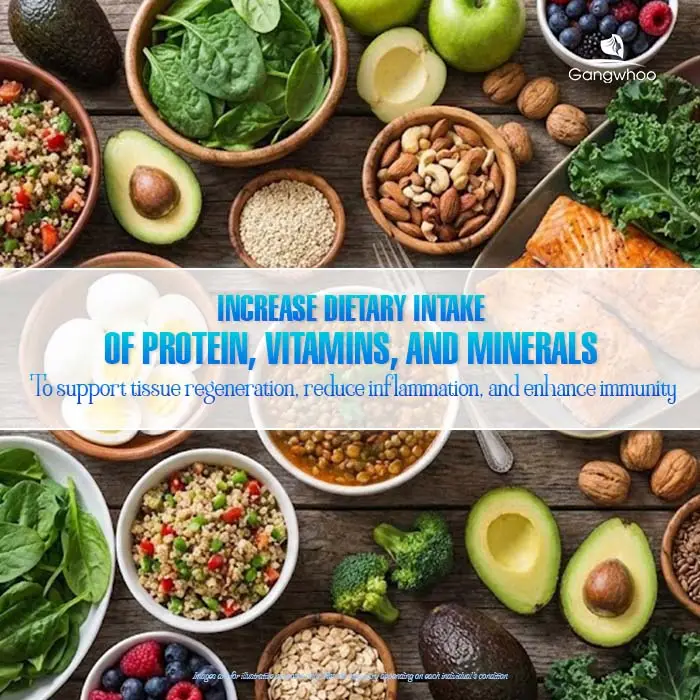
Lean meats such as pork tenderloin, skinless chicken breast, and tender beef are excellent sources of high-quality protein rich in essential amino acids needed for wound healing. Cooking methods like steaming, boiling, or slow simmering are recommended during the early postoperative period.
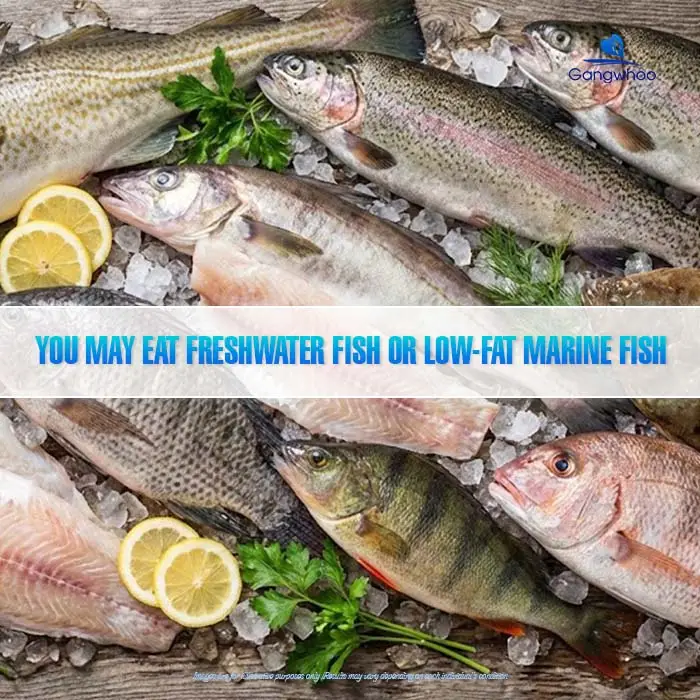
In addition, low-fat freshwater and marine fish such as salmon, basa fish, and snakehead fish are suitable choices. Fish provide protein as well as omega-3 fatty acids, which have been shown to help reduce inflammation and promote wound healing after surgery.
For plant-based options, tofu, soy milk, legumes, and nuts offer safe, easily digestible plant proteins with a low risk of allergic reactions. These are ideal for patients who prefer a lighter diet during early recovery.
Beyond protein, supplementing with vitamin C–rich vegetables and fruits such as broccoli, spinach, oranges, and kiwi plays an important role in collagen synthesis, helping wounds heal faster and reducing the risk of poor scarring. Adequate daily hydration also improves circulation and helps eliminate inflammatory byproducts from the body.

At Gangwhoo Aesthetic Hospital, we emphasize that it is not mandatory to eat eggs immediately after rhinoplasty to recover well. What truly matters is maintaining a balanced, safe diet tailored to each individual’s constitution, helping the nose heal quickly, stabilize properly, and achieve optimal aesthetic results.
Whether you can eat eggs after rhinoplasty ultimately depends on your individual constitution, recovery status, and your doctor’s recommendations. In most cases, consuming eggs at the right time and in the right way does not negatively affect surgical outcomes. At Gangwhoo Hospital, patients are directly examined and guided by specialized doctors with personalized postoperative care and nutrition plans to ensure safe recovery and the best aesthetic results.