
Eyelid surgery, also known as blepharoplasty, is one of the most commonly performed cosmetic procedures today. It helps improve hooded eyelids, droopy eyelids, or create a more defined eyelid crease. However, besides choosing a highly qualified surgeon, proper post-operative care also plays a crucial role in determining the final outcome.
One of the questions I frequently receive from patients after surgery is: “Can I eat eggs after eyelid surgery?” Many people worry that consuming eggs may cause uneven skin pigmentation, increase scarring, or slow down the healing process.
From a medical perspective, should you avoid eggs after blepharoplasty? Let’s explore the answer in detail below.
Can You Eat Eggs After Eyelid Surgery?
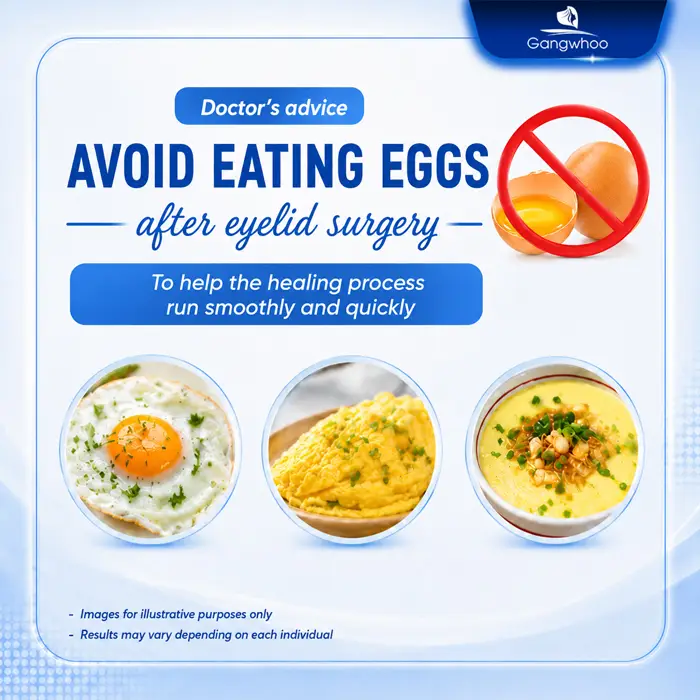
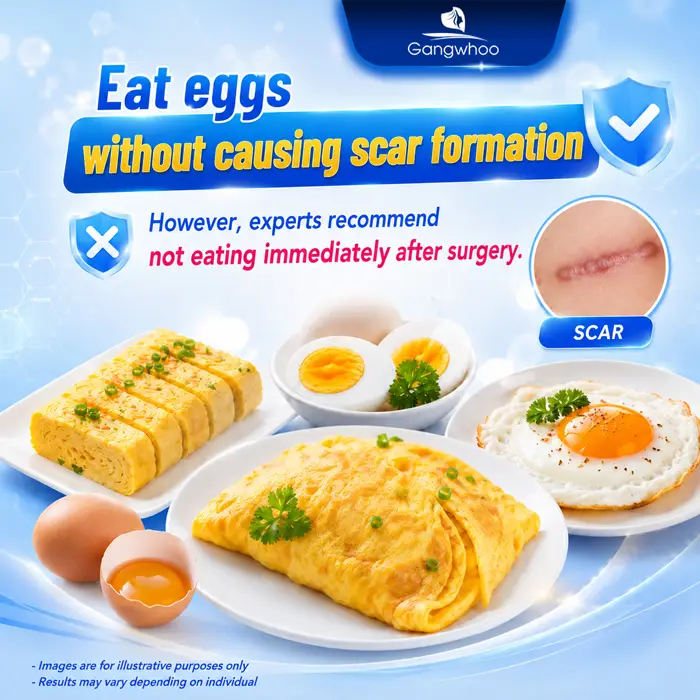
From a professional medical standpoint, there is currently no scientific evidence proving that eating eggs directly causes keloid scars or negatively affects eyelid surgery results.
However, in cosmetic surgery practice, most surgeons still recommend limiting egg consumption during the initial recovery period, particularly within the first 7–14 days after surgery.
This recommendation stems from clinical observations that some individuals with sensitive skin may experience uneven pigmentation, lighter patches, or slight discoloration in newly healed skin. Although this does not occur in everyone, temporarily avoiding eggs is considered a precautionary measure to help optimize aesthetic outcomes.
At Gangwhoo Cosmetic Hospital, our medical team develops personalized post-operative care plans based on each patient’s healing capacity and skin characteristics to support a smooth recovery while minimizing factors that may affect eyelid appearance.
Why Do Many Surgeons Recommend Avoiding Eggs After Eyelid Surgery?
To better understand this recommendation, it is important to consider the biological wound-healing process.
Following eyelid surgery, the body goes through several stages of recovery, including inflammation, tissue regeneration, and skin remodeling. During this period, the eyelid area is particularly sensitive to both external factors and nutritional influences.
Eggs are rich in protein, vitamin D, vitamin B12, and other essential nutrients beneficial to overall health. However, based on clinical experience, some patients with specific skin types may develop uneven hyperpigmentation or hypopigmentation in newly formed skin tissue.
For this reason, temporarily avoiding eggs is often recommended as a preventive measure, especially for patients with a history of abnormal scarring or post-inflammatory pigmentation changes.
Do Eggs Cause Keloid Scars After Eyelid Surgery?
This is one of the most common misconceptions among cosmetic surgery patients.
Scientifically speaking, keloid scars primarily result from excessive collagen production during the wound-healing process. Factors that directly contribute to keloid formation include:
- Genetic predisposition to keloid scarring
- Surgical technique
- Wound infection
- Improper post-operative care
- Mechanical irritation or trauma to the surgical area
Eggs are not considered a direct cause of keloid scar formation.
Nevertheless, to achieve natural-looking, symmetrical, and long-lasting eyelid results, most specialists still advise limiting egg consumption during the early recovery phase.
How Long Should You Avoid Eggs After Eyelid Surgery?
The duration of egg restriction depends largely on an individual’s healing progress.
For most patients, I typically recommend:
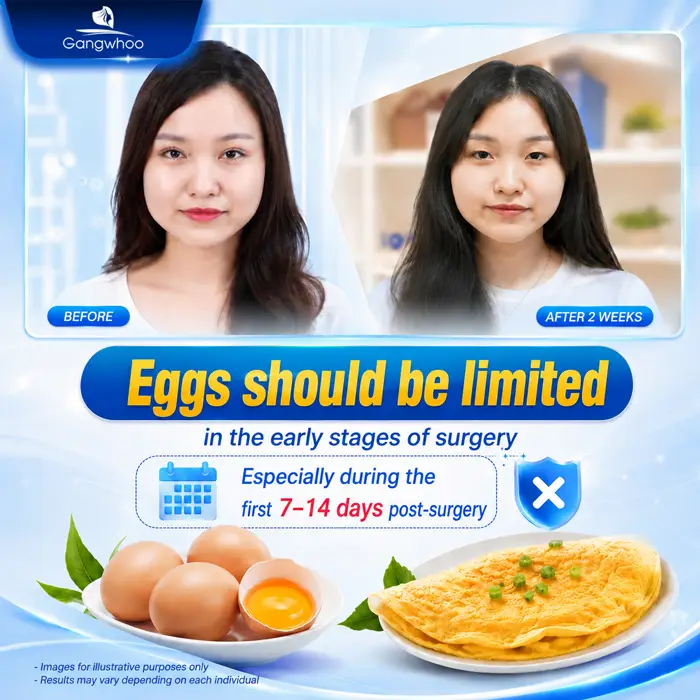
- Avoiding eggs for the first 7–14 days
- Waiting until stitches have been completely removed
- Ensuring the wound is dry and stable
- Allowing significant swelling to subside
Patients who are prone to keloid formation or experience slower healing may need to avoid eggs for 2–4 weeks, depending on their surgeon’s recommendations.
Following post-operative instructions carefully can help promote smoother healing and reduce factors that may compromise the final aesthetic result.
What If You Accidentally Eat Eggs After Eyelid Surgery?
In reality, many patients accidentally consume eggs shortly after surgery and become concerned about potential complications.
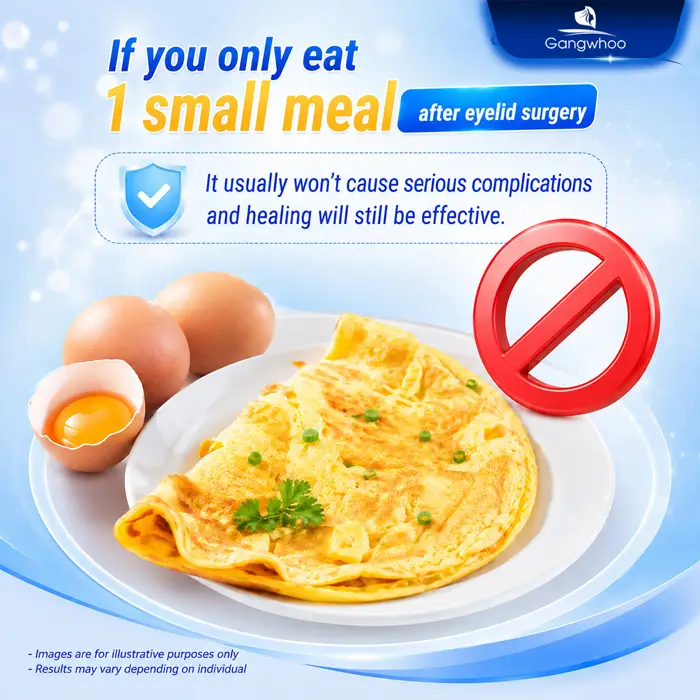
If only a small amount is consumed, there is generally no need to panic.
A single serving of eggs is unlikely to cause serious complications or negatively affect your eyelid surgery results.
The most important thing is to continue monitoring your healing process and follow your surgeon’s instructions. If the surgical site remains clean, dry, and swelling continues to improve as expected, there is usually no cause for concern.
However, if you experience prolonged swelling, increasing pain, abnormal redness, warmth, or discharge, you should seek medical evaluation promptly.
What Should You Eat After Eyelid Surgery for Faster Recovery?
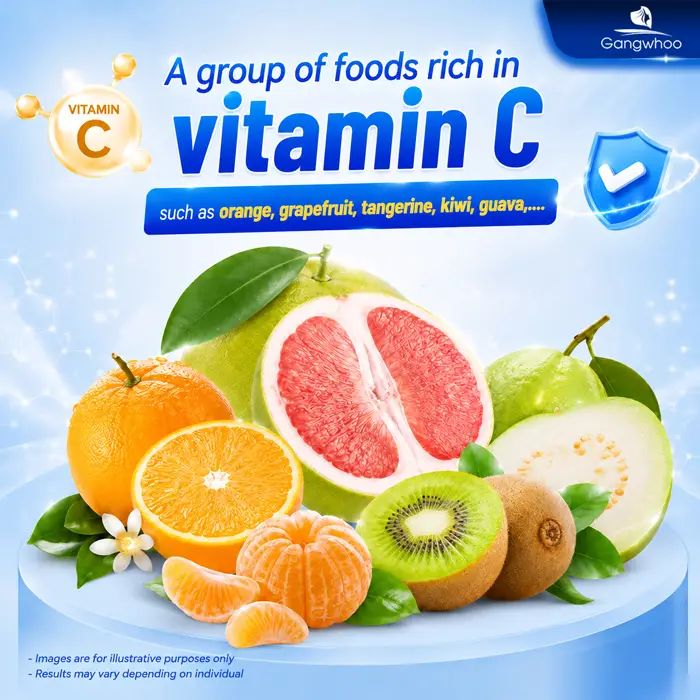
In addition to understanding whether eggs should be avoided after eyelid surgery, maintaining a healthy diet is equally important.
Following surgery, the body requires adequate nutrients to regenerate tissue and accelerate wound healing.
Healthy protein sources such as salmon, mackerel, lean meats, soy products, and low-fat dairy can help support collagen synthesis and tissue repair.
Foods rich in vitamin C, including oranges, tangerines, grapefruit, kiwi, and guava, help strengthen the immune system and promote natural collagen production.
Zinc is another essential nutrient involved in tissue healing. Low-allergen seafood, nuts, and whole grains are excellent dietary sources of zinc.
Additionally, staying well hydrated helps support detoxification and creates a favorable environment for recovery.
Foods to Limit After Eyelid Surgery
During the early recovery period, patients are often advised to temporarily avoid certain foods that may increase the risk of irritation or affect wound healing.
These commonly include chicken, water spinach, sticky rice products, allergenic seafood, alcohol, and tobacco products.
While individual responses may vary, short-term dietary restrictions can help patients feel more confident and support optimal healing conditions.
Post-Operative Care Tips to Minimize Scarring
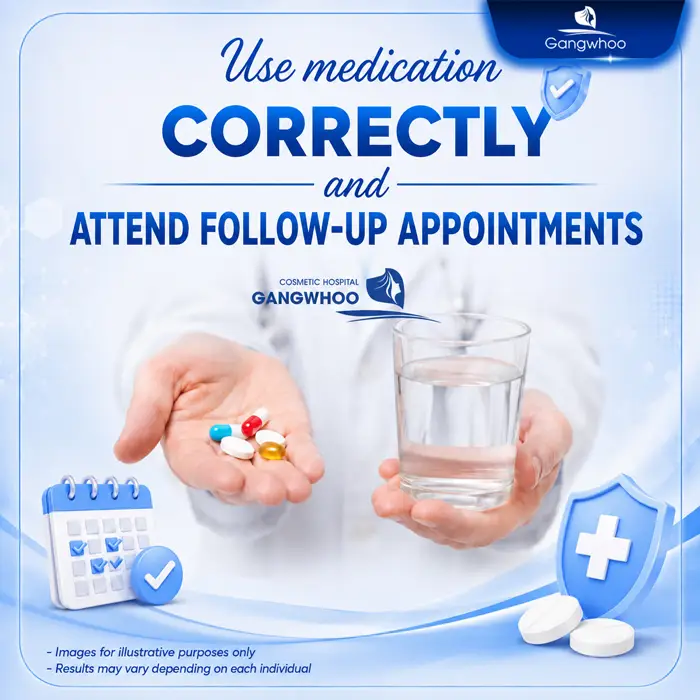
Beyond diet, proper post-operative care is the most important factor influencing final results.
Patients should clean the eyelid area according to their surgeon’s instructions, take prescribed medications correctly, and attend all follow-up appointments.
Cold compresses are generally recommended during the first 48 hours to reduce swelling. Warm compresses may be introduced afterward as directed by the medical team.
Sleeping with the head elevated can help minimize fluid retention and swelling.
Most importantly, patients should avoid rubbing their eyes or applying makeup too early during recovery.
At Gangwhoo Cosmetic Hospital, every eyelid surgery patient receives comprehensive post-operative monitoring through a specialized aftercare program designed to promote stable, symmetrical, and natural-looking results.
Normal Recovery Signs After Eyelid Surgery
During the first 1–3 days, mild swelling and bruising around the eyelids are common.
Between days 5 and 7, swelling gradually decreases and sutures are typically removed.
After approximately 2–4 weeks, the eyelids become softer and appear more natural.
Within 1–3 months, the eyelid crease usually stabilizes and the final aesthetic outcome becomes evident.
This healing timeline is considered normal for most patients undergoing eyelid surgery.
So, can you eat eggs after eyelid surgery? From a medical standpoint, eggs are not a direct cause of keloid scars or poor surgical outcomes. However, to maximize safety and support optimal healing, it is generally recommended to limit egg consumption during the first one to two weeks after surgery or follow your surgeon’s specific guidance.
Ultimately, choosing a reputable cosmetic surgery facility, undergoing treatment by experienced specialists, and following proper post-operative care instructions are the most important factors in achieving beautiful, natural, and long-lasting eyelid surgery results.
If you have any questions regarding post-operative eyelid care, you may contact the specialists at Gangwhoo Cosmetic Hospital for personalized consultation based on your individual condition.