
“Can you eat chili sauce after rhinoplasty?” is a common concern among many patients, as diet plays a crucial role in helping the nose heal quickly and achieve a natural, aesthetic appearance.
As Dr. Tran Kim Thach, Specialist in Plastic Surgery – Deputy Director of Medical Affairs at Gangwhoo Hospital, I will provide a detailed explanation from a medical perspective, based on post-surgery care principles and the experience of performing thousands of successful rhinoplasty procedures.
Rhinoplasty and the Recovery Process
After rhinoplasty, the body undergoes several stages of recovery:
Swelling and bruising: usually appears in the first 2–3 days and can last 7–10 days.
Wound healing: the incision and nasal tissues need time to stabilize, usually 2–4 weeks depending on the surgical method and individual healing capacity.
Nasal shape stabilization: the final shape of the nose becomes established after approximately 1–3 months.
During this period, diet is a key factor in reducing swelling, preventing infection, and maintaining a natural nose shape.
Can You Eat Chili Sauce After Rhinoplasty? Doctor’s Answer
One of the most common questions patients ask is: “Can you eat chili sauce after rhinoplasty?” To answer this, we need to understand the effects of spicy foods on the healing process after rhinoplasty:
1. Physiological Effects of Spicy Foods on Nasal Wounds
Chili sauce and other spicy foods contain capsaicin, a compound that stimulates nerve endings and blood vessels. When consumed:
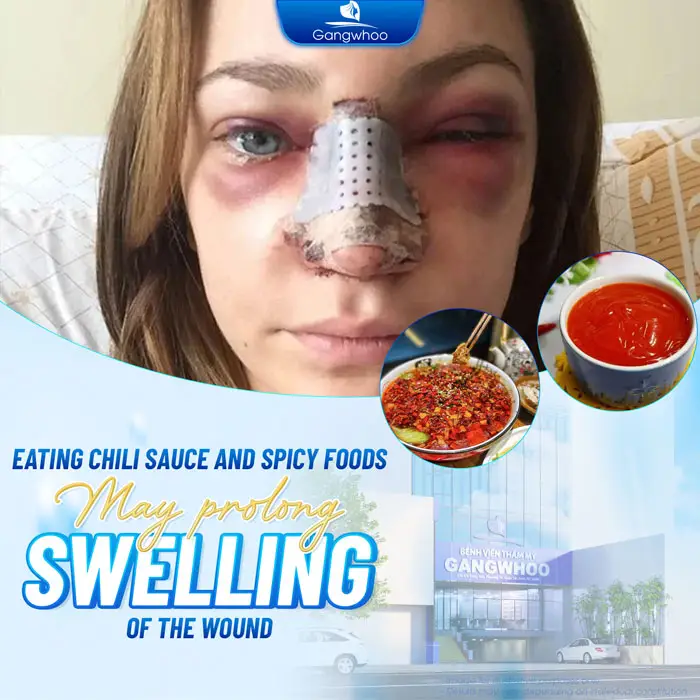
Vasodilation: Increases blood flow to the nose, which can prolong swelling.
Mild inflammatory reaction: Capsaicin can make the tissues around the wound react more strongly, increasing the risk of bruising or mild pain.
Impact on scar formation: During the first week, the wound is forming collagen fibers; eating spicy foods too early can lead to red scars, prolonged swelling, and slight difficulty controlling the nasal shape.
2. Safe Timing for Eating Spicy Foods
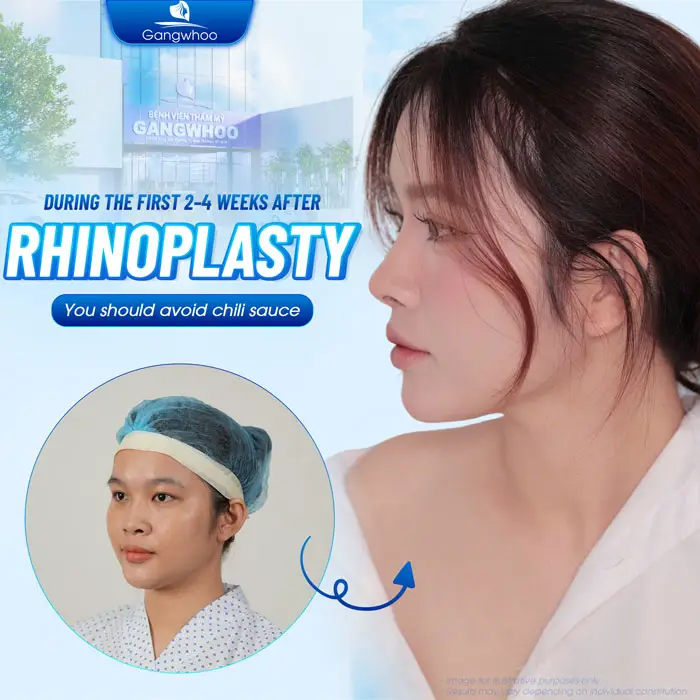
First 2–4 weeks after surgery: strictly avoid chili sauce or other spicy foods to prevent affecting the wound and nasal cartilage.
After the wound stabilizes and swelling subsides: patients may gradually reintroduce spicy foods, but intake should remain limited to maintain long-term nasal shape.
Depending on the rhinoplasty technique (cartilage-wrapped, structural, endoscopic) and individual healing characteristics, the timing to safely eat spicy foods may vary; therefore, consult your surgeon before eating chili or other spicy foods.
3. Medical Principles
According to post-rhinoplasty care guidelines:
Reduce vascular and tissue irritation: Avoid spicy foods, hot foods, alcohol, and caffeine during the healing period.
Limit inflammation: Spicy foods can exacerbate inflammation, prolonging swelling.
Promote optimal recovery: Focus on soft foods rich in protein, vitamin C, and vegetables to stimulate collagen production and tissue regeneration.
Conclusion: During the early recovery period after rhinoplasty, eating chili sauce may cause swelling, mild inflammation, and affect nasal shape, so it should be completely avoided. Once the nose has stabilized, you can eat it in moderation.
Foods to Avoid and Foods to Eat
Proper post-rhinoplasty nutrition not only helps the wound heal faster but also reduces swelling, bruising, and complications, while maintaining a natural nasal contour. Here is a detailed guide based on medical expertise and aesthetic principles:
1. Foods to Avoid
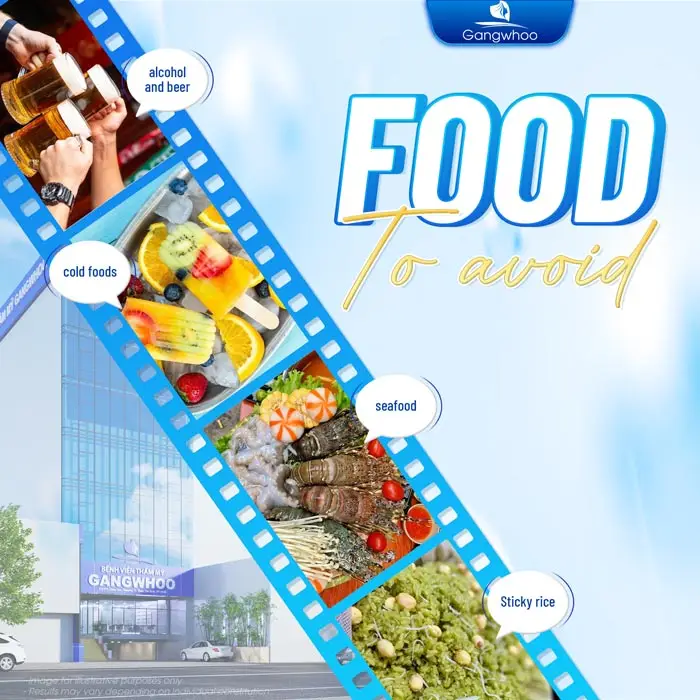
Spicy foods (chili sauce, chili, pepper, fermented shrimp paste, satay)
Effect: Capsaicin causes vasodilation and swelling, slowing wound healing.
Consequence: Prolonged swelling, persistent bruising, red scars, and strong inflammatory reaction around the incision.
Sticky glutinous foods (sticky rice, glutinous cakes, steamed rice cakes, sticky rice desserts)
Effect: High stickiness can cause minor hematomas or mild wound inflammation.
Consequence: Delayed healing, prolonged wound stabilization, increased swelling risk.
Seafood (shrimp, crab, squid, saltwater fish)
Effect: Can trigger allergic reactions and stimulate inflammation at the wound site.
Consequence: Swelling, redness, itchiness; may lead to asymmetry in susceptible patients.
Alcohol, coffee, carbonated drinks
Effect: These stimulants cause vasodilation and localized blood pressure spikes, prolonging tissue swelling.
Consequence: Difficult to control swelling and assess early post-op nasal results.
Extremely cold foods (ice cream, ice cubes, iced drinks)
Effect: Sudden vasoconstriction may trigger temporary reactions in the nose and surrounding tissues.
Consequence: Discomfort, mild swelling, slower wound healing.
2. Foods to Eat

Soft, easily digestible foods
Examples: porridge, soup, soft rice, steamed vegetables.
Benefit: Reduces chewing pressure, avoids trauma to the nose and jaw area, supports tissue healing.
High-quality protein
Examples: chicken, fish, eggs, dairy, tofu.
Benefit: Protein is essential for collagen synthesis, helping wounds become stronger and heal faster.
Vegetables and fruits rich in vitamin C
Examples: broccoli, bell peppers, oranges, kiwi, strawberries.
Benefit: Vitamin C promotes collagen formation, supports tissue regeneration, and reduces the risk of poor scarring.
Foods rich in zinc and vitamin A
Examples: clams, shellfish, pumpkin, carrots, sweet potatoes.
Benefit: Zinc enhances immune response at the wound, vitamin A supports skin and mucosa regeneration.
Stay hydrated
Benefit: Helps eliminate toxins, reduce swelling, maintain tissue moisture, and accelerate healing.
Doctor’s Advice
Monitor swelling and incision: Contact your surgeon immediately if abnormalities occur.
Personalized nutrition: Each patient has different healing characteristics and surgical methods; diet should follow medical guidance.
Avoid early spicy foods: Even if you feel well, an unstable wound can still react with mild inflammation.
Regular follow-up: Re-examinations allow the surgeon to evaluate nasal shape and guide proper nutrition.
With all the above guidance on diet and post-surgery care, the question “can you eat chili sauce after rhinoplasty?” now has a clear answer: during the early recovery period, avoid chili sauce and other spicy foods to ensure fast healing, reduced swelling, and stabilized nasal shape, while prioritizing protein-rich, vitamin-rich foods and vegetables for optimal and safe aesthetic results.