
After undergoing rhinoplasty, many patients wonder whether they can drink gotu kola. As a Specialist Level I Doctor and Deputy Medical Director at Gangwhoo Aesthetic Hospital, I will explain in detail the benefits, risks, and medical recommendations regarding the use of gotu kola (Centella asiatica) during the postoperative period.
What Is Gotu Kola and Its Effects Related to Rhinoplasty?
Gotu kola (Centella asiatica) is a valuable herbal plant widely used in both traditional and modern medicine. Its main components include:

- Asiaticoside, Madecassoside, triterpenoids…
- Functions: promotes collagen synthesis, reduces inflammation, stimulates skin tissue regeneration.
Clinical and in vitro studies show that gotu kola can enhance wound healing, improve skin elasticity, and reduce inflammation. However, when applied to rhinoplasty surgical wounds, careful consideration is needed because its platelet-inhibiting properties may affect blood clotting.
Benefits and Risks of Drinking Gotu Kola After Rhinoplasty
The use of gotu kola (Centella asiatica) after rhinoplasty can provide certain wound-healing benefits, but also carries risks when used improperly. Below is a detailed analysis based on medical research and clinical experience.
1. Benefits
a. Enhances Wound Healing
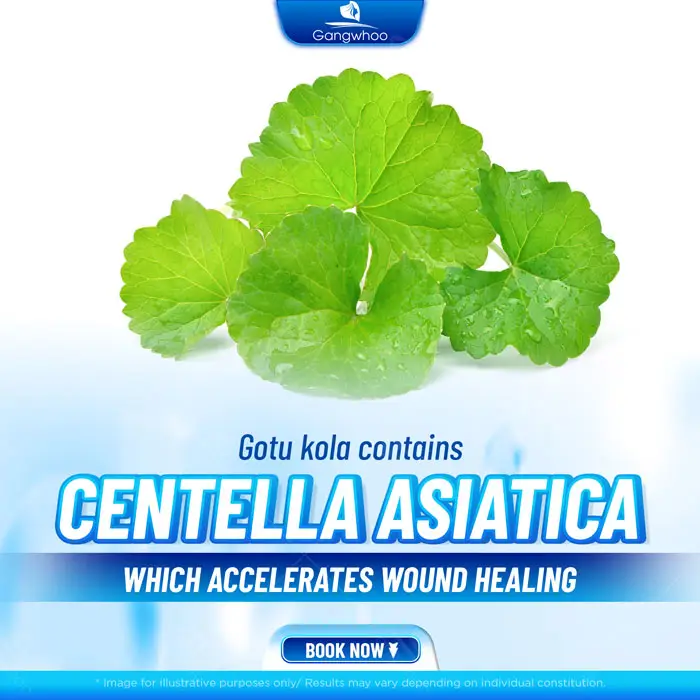
Many international studies have demonstrated that Centella asiatica contains triterpenoids such as asiaticoside and madecassoside, which can:
- Stimulate the production of collagen types I and III, helping wounds form connective tissue more quickly.
- Promote angiogenesis (formation of new blood vessels), improving oxygen and nutrient supply to the wound.
- Work effectively on minor wounds or aesthetic surgical scars such as after rhinoplasty, reducing the risk of poor scarring and improving cosmetic outcomes.
Clinical studies in both human patients and animal models show clearly accelerated healing when gotu kola extract is used during recovery.
b. Anti-inflammatory and Antioxidant Effects
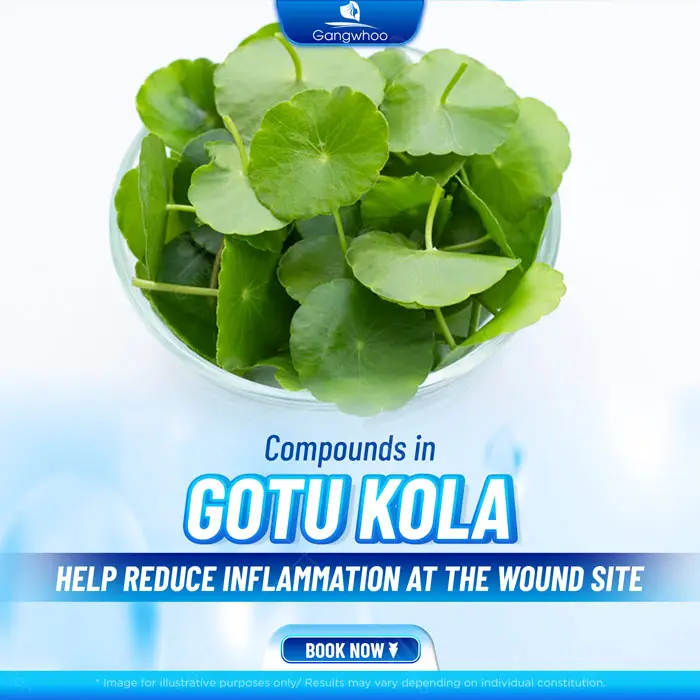
- Flavonoids and triterpenoids in gotu kola help reduce inflammation at the wound site, minimizing swelling and discomfort after rhinoplasty.
- Antioxidant properties protect newly formed tissues from oxidative stress, reducing cellular damage.
- Because of these effects, gotu kola may support the postoperative recovery process, helping patients feel more comfortable early on.
2. Risks
a. Blood-Thinning and Bleeding Risks
- One physiological effect of Centella asiatica is the inhibition of platelet aggregation, which may prolong clotting time.
- In the early period after rhinoplasty, when the wound is still unstable, drinking gotu kola may increase bleeding risk, bruising, or worsen swelling.
- This is why cosmetic surgeons commonly advise avoiding gotu kola during the first 2–4 postoperative weeks.
b. Interaction With Anticoagulant Medications
- Patients taking anticoagulants such as aspirin, warfarin, or other antiplatelet drugs may experience increased bleeding risk when consuming gotu kola.
- Even concentrated extracts can interact with medications, altering their effectiveness or increasing side effects.
c. Side Effects From High Doses
- Excessive or prolonged intake of gotu kola extract may affect liver function or cause digestive issues, rashes, and headaches.
- When combined with other blood-thinning herbs, the risk of complications increases further.
Doctor’s Professional Opinion on Drinking Gotu Kola After Rhinoplasty
As Specialist Level I Doctor Tran Kim Thach – Deputy Medical Director at Gangwhoo Hospital, I would like to share accurate medical guidance on the use of gotu kola (Centella asiatica) after rhinoplasty, based on physiology, scientific research, and clinical experience.
1. Avoid Gotu Kola During the Early Postoperative Period

In the first 2–4 weeks after rhinoplasty, the wound is not yet stable, new tissue is forming, and tiny blood vessels remain highly sensitive.
Drinking gotu kola during this period may cause blood thinning, prolonged clotting time, and increase bleeding or bruising.
Therefore, at Gangwhoo, we always advise patients to avoid gotu kola completely during the early recovery phase to ensure fast and safe wound healing, preventing complications such as bleeding or severe swelling.
2. Consult Your Doctor Before Using
Once the rhinoplasty wound has fully healed, patients may consider using gotu kola to support tissue recovery and scar healing.
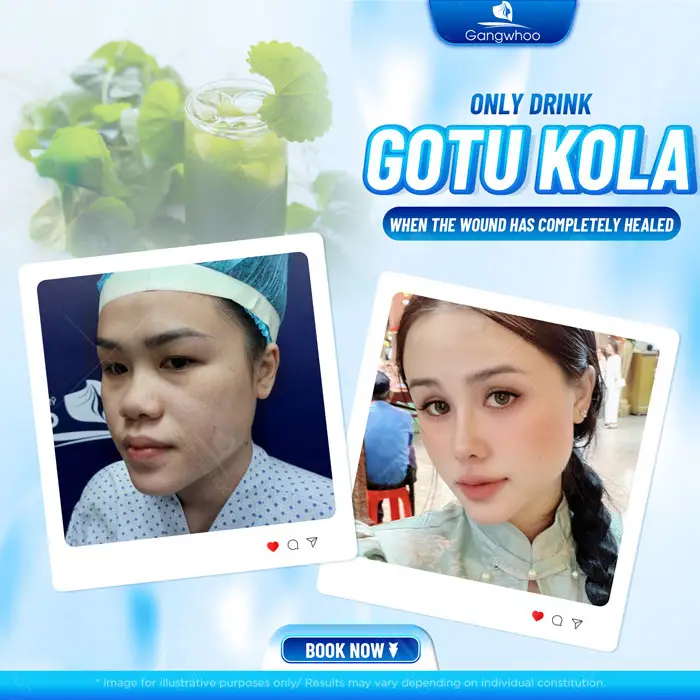
However, using gotu kola after rhinoplasty requires:
- Determining the proper dosage, avoiding overuse.
- Choosing safe forms of use: standardized medical extracts instead of unregulated fresh herbs.
- Monitoring for abnormal symptoms such as swelling, redness, bleeding, or bruising.
At Gangwhoo, we emphasize that patients should not self-medicate with gotu kola without professional guidance, even if the wound appears healed.
3. Special Precautions for High-Risk Patients

Patients currently taking anticoagulants (aspirin, warfarin, clopidogrel…) have a significantly higher risk of bleeding when consuming gotu kola.
Those with blood clotting disorders or platelet abnormalities must also be cautious.
In such cases, the use of gotu kola may cause serious complications and is strictly not recommended.
Alternative Nutrition and Safe Use of Gotu Kola
To support healing after rhinoplasty, patients should prioritize:

- Leafy greens and fruits rich in vitamin C: enhance collagen production and immunity.
- Light proteins: eggs, fish, and milk help regenerate tissue.
- Avoid foods that may worsen scarring or thin the blood: spicy foods, gotu kola, and other blood-thinning herbs.
If you wish to use gotu kola after rhinoplasty:
- Use Centella asiatica extract as directed by your doctor.
- Monitor for abnormal symptoms: bleeding, bruising, prolonged swelling.
Conclusion: Can You Drink Gotu Kola After Rhinoplasty?
- Gotu kola offers skin-healing and scar-improving benefits, but after rhinoplasty it may increase the risk of bleeding due to its blood-thinning effect.
- Patients should avoid gotu kola during the initial recovery period, focus on a healthy diet, and consult with their doctor.
- In summary: Do not drink gotu kola immediately after rhinoplasty; safety comes from following medical instructions.
The common question “Can you drink gotu kola after rhinoplasty?” — according to recommendations from Gangwhoo Aesthetic Hospital, during the early postoperative period, you should not drink gotu kola to avoid bleeding risks and negative effects on the wound. You should only consider using it once the wound has completely healed and under the guidance of a doctor to ensure safe, aesthetic, and long-lasting rhinoplasty results.