
Throughout my years of examining and providing postoperative care for thousands of rhinoplasty patients at Gangwhoo Aesthetic Hospital, one of the most frequently asked questions—seemingly simple yet directly affecting recovery outcomes—is: “Can I drink coffee after rhinoplasty?”
Coffee is a daily habit for many people, especially those with demanding work schedules. However, after rhinoplasty surgery, drinking coffee is no longer merely a matter of personal preference, but rather an issue that must be considered from a medical and postoperative safety perspective.
Can You Drink Coffee After Rhinoplasty?
From a professional plastic surgery standpoint, coffee should not be consumed during the early recovery period after rhinoplasty, particularly in the first few days following surgery. This recommendation is based on the physiological effects of caffeine on the body, rather than being a rigid or absolute prohibition.
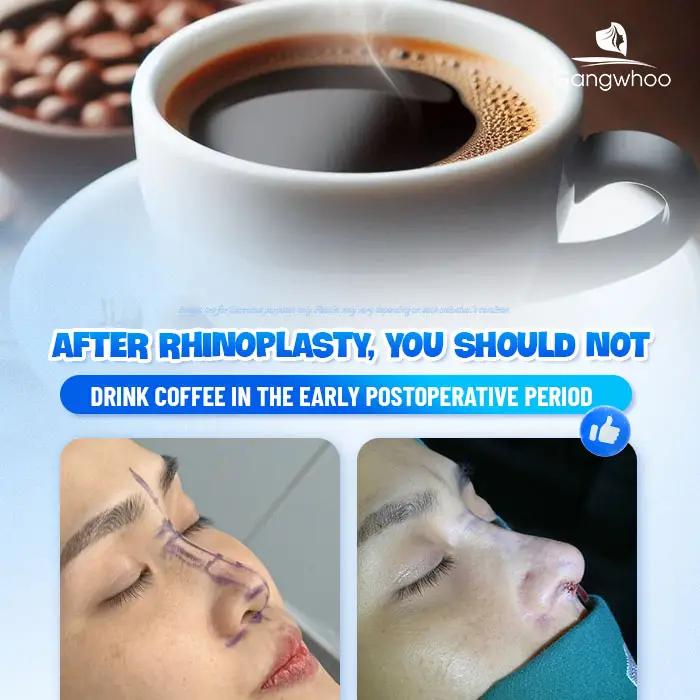
Caffeine is a central nervous system stimulant. Once absorbed, it can cause increased heart rate, mild elevation in blood pressure, and peripheral vasodilation. In a healthy individual, these effects are generally harmless. However, after rhinoplasty, the nasal area has just undergone surgical intervention and remains in a state of soft tissue injury, physiological inflammation, and vascular regeneration.
When caffeine increases blood flow to the surgical site, it may raise the risk of prolonged swelling and more pronounced bruising. In addition, caffeine has a diuretic effect, which can lead to dehydration if fluid intake is insufficient, indirectly impairing wound healing and tissue recovery. For this reason, many international postoperative aesthetic surgery guidelines classify caffeine as a substance that should be limited during the early postoperative period.
At Gangwhoo Aesthetic Hospital, based on extensive clinical experience and postoperative follow-up of a large number of rhinoplasty patients each year, we have observed that individuals who strictly avoid coffee during the early recovery phase tend to experience faster reduction in swelling, earlier fading of bruising, and more stable nasal shape compared to those who consume coffee prematurely.

Therefore, Gangwhoo consistently recommends that patients minimize coffee consumption for at least 7–14 days after rhinoplasty. This timeframe corresponds to the period of active soft tissue healing, ongoing physiological inflammation, and unstable newly formed blood vessels. After this stage, whether coffee can be reintroduced will be evaluated by the treating physician based on each patient’s actual recovery status, including swelling severity, bruising, individual healing capacity, and the rhinoplasty technique performed.
It is important to emphasize that coffee is not a direct cause of rhinoplasty complications. However, when consumed at an inappropriate time, it may delay recovery and negatively affect early aesthetic results. Therefore, adhering strictly to the treating doctor’s instructions is a key factor in ensuring safe recovery and achieving optimal nasal contour.
Why Should Coffee Be Avoided Early After Rhinoplasty?
From a surgeon’s perspective, the issue is not whether coffee is inherently “good” or “bad,” but rather how caffeine affects the body during the postoperative period.
1. How Does Caffeine Affect the Body After Rhinoplasty?

Caffeine stimulates the central nervous system and may increase heart rate, mildly elevate blood pressure, and enhance blood circulation. In healthy individuals, these effects are typically not harmful. However, after rhinoplasty, the nasal soft tissues remain in a vulnerable phase of injury and regeneration.
A sudden increase in blood circulation can lead to prolonged swelling, darker bruising, and delayed stabilization of the nasal shape. This is why medical literature and international postoperative aesthetic surgery guidelines frequently recommend limiting caffeine intake after surgery.
2. Does Drinking Coffee After Rhinoplasty Prolong Swelling?
Based on my clinical experience at Gangwhoo, patients who consume coffee early after rhinoplasty often experience longer-lasting swelling compared to those who strictly follow postoperative dietary restrictions. Although this does not usually lead to serious complications, it can negatively affect early aesthetic appearance, causing unnecessary anxiety and requiring extended monitoring.
How Long After Rhinoplasty Can You Drink Coffee?
This is an important question and also one of the most commonly searched topics related to “can you drink coffee after rhinoplasty”.
In clinical practice, there is no universal timeline applicable to all patients. However, based on tissue healing processes and treatment experience:
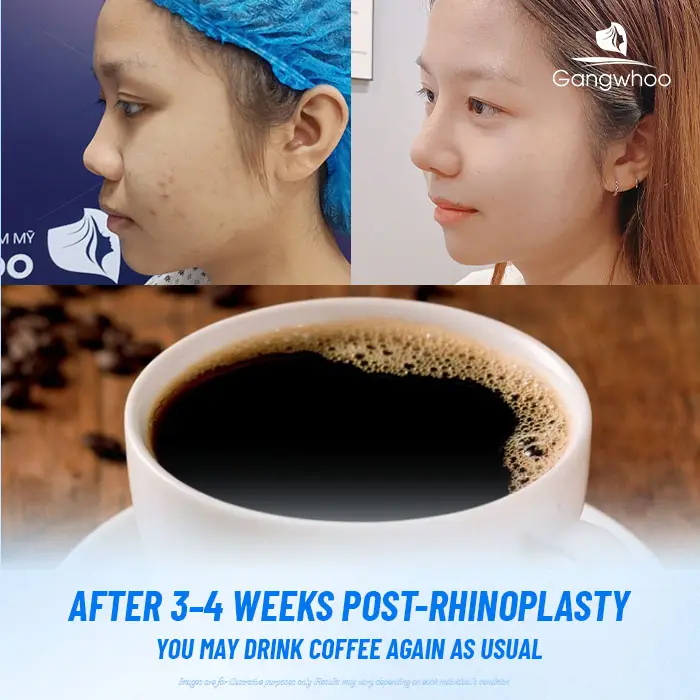
During the first 3–5 days after rhinoplasty, patients should not drink coffee. This period is characterized by active swelling and physiological inflammation of the soft tissues.
From 7–10 days postoperatively, if recovery is progressing well—with minimal swelling and no widespread bruising—some patients may consume a very small amount of diluted coffee, but only with the explicit approval of their treating physician.
After 3–4 weeks, once the nose has become more stable and soft tissues have healed adequately, patients may generally resume normal coffee consumption.
What If You Accidentally Drink Coffee After Rhinoplasty?
During postoperative follow-ups at Gangwhoo Aesthetic Hospital, I have encountered many cases where patients accidentally drank coffee due to habit or work demands. In most cases, this does not result in serious complications.
However, if coffee consumption is followed by increased swelling, tightness, darker bruising, or a sensation of warmth in the nasal area, patients should promptly contact their doctor for evaluation and adjustment of postoperative care.
Is Coffee with Milk Worse Than Black Coffee After Rhinoplasty?

In practice, coffee with milk is even less recommended than black coffee. Milk and sugar may contribute to mild inflammatory responses in the body and interfere with metabolic and tissue recovery processes.
Therefore, for those still wondering “can you drink coffee after rhinoplasty,” my professional answer is that coffee with milk should be completely avoided during the early recovery stage.
What Should You Drink Instead of Coffee After Rhinoplasty?
During the recovery phase after rhinoplasty, selecting appropriate beverages is just as important as dietary choices. When coffee and other caffeinated drinks are restricted, patients should opt for beverages that support circulatory stability, tissue regeneration, and reduction of physiological inflammation.
First and foremost, water should be prioritized. Adequate hydration helps maintain stable circulation, supports oxygen and nutrient delivery to healing tissues, and prevents blood thickening—thereby reducing swelling and promoting smoother wound healing. Clinically, patients who maintain good hydration tend to recover more quickly with less swelling and bruising.

Additionally, vitamin C–rich fruit juices are suitable after rhinoplasty. Vitamin C plays a critical role in collagen synthesis, which is essential for tissue repair and wound healing. It also strengthens blood vessel walls, helping to reduce prolonged bruising. Fresh juices with little or no added sugar are preferred to avoid unnecessary inflammatory responses.
Caffeine-free herbal teas, such as chamomile tea or lightly brewed ginger tea, may also be consumed during recovery. These beverages can help warm the body, aid digestion, and promote relaxation—indirectly improving sleep quality, which is vital for postoperative healing. Avoiding caffeine also reduces the risk of insomnia and palpitations that could interfere with recovery.

At Gangwhoo Aesthetic Hospital, we consistently advise patients to establish healthy hydration habits from the very first days after rhinoplasty. Replacing coffee with appropriate beverages not only supports faster recovery but also helps stabilize nasal shape earlier, reduce discomfort, and enhance overall aesthetic outcomes.
Ultimately, during the postoperative period, simply “avoiding coffee” is not enough. More importantly, patients should actively choose beverages that benefit the healing process. This often-overlooked factor can make a significant difference in rhinoplasty results.
Who Should Absolutely Avoid Coffee After Rhinoplasty?
Based on clinical experience, I pay particular attention to patients with a tendency toward excessive swelling and bruising, those with a history of hypertension, or individuals currently taking antibiotics or strong pain medications. For these patients, strictly avoiding coffee after rhinoplasty is essential to ensure safety.
Regarding the question “can you drink coffee after rhinoplasty?”, I always emphasize that long-lasting, beautiful results depend not only on surgical technique, but also heavily on proper postoperative care.
At Gangwhoo Hospital, each patient is closely monitored by their doctor and receives personalized lifestyle guidance. Following medical instructions—including limiting coffee at the appropriate time—helps ensure faster recovery and optimal aesthetic outcomes.