
In modern breast augmentation surgery, the objective is no longer limited to creating fuller breasts but also focuses on preserving the natural anatomical structures of the breast. This is one of the reasons why Breast Augmentation with Tissue Preservation has rapidly become an approach of interest among plastic surgery specialists worldwide. This technique focuses on minimizing tissue trauma during dissection while preserving the breast glandular tissue, blood vessels, sensory nerves, and supporting ligament system. As a result, it may contribute to a smoother recovery process while helping maintain soft, harmonious, and long-lasting aesthetic breast contours.
From a professional perspective, I believe that the success of a breast augmentation procedure should not be evaluated solely by postoperative breast size or shape. It should also prioritize patient safety, reduce the likelihood of complications, and preserve the physiological function of breast tissues whenever possible. For this reason, Tissue Preservation is considered a notable advancement in the evolution of minimally invasive breast augmentation techniques.
What Is Breast Augmentation with Tissue Preservation?
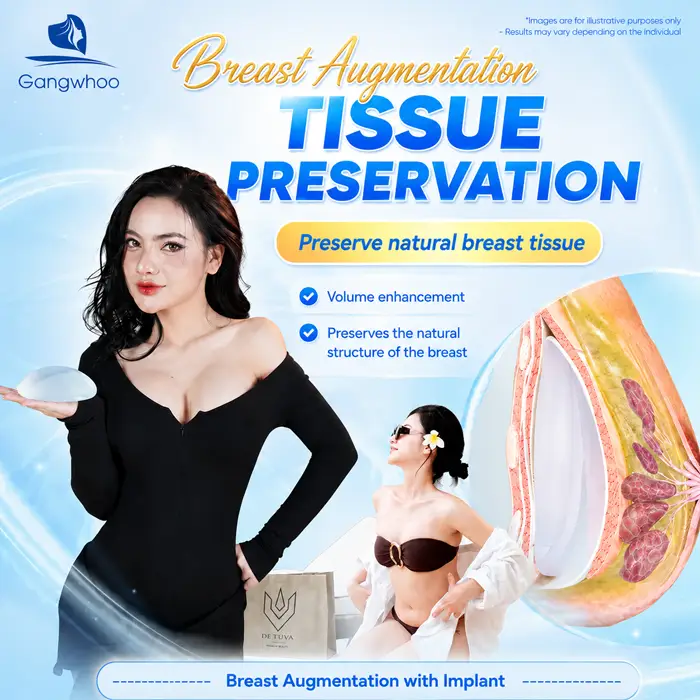
Breast Augmentation with Tissue Preservation is a next-generation breast augmentation technique developed on the principle of minimizing injury to healthy tissues during implant pocket creation. Rather than performing extensive dissection as in many conventional techniques, the surgeon performs controlled dissection only within the necessary area to help preserve the breast’s natural anatomical structures.
During the procedure, the soft tissues, breast glandular tissue, vascular system, sensory nerves, and Cooper’s ligaments are carefully protected whenever appropriate. These structures play important roles in maintaining breast firmness, structural support, and natural sensation.
Simply put, Tissue Preservation is not a type of breast implant or a standalone surgical device. Instead, it represents a modern surgical philosophy. Every step, from preoperative planning and tissue dissection to hemostasis and implant placement, is performed with the aim of minimizing unnecessary trauma to healthy tissues.
As a result, patients may not only achieve balanced breast proportions but may also experience a more comfortable recovery, reduced postoperative discomfort, and less disruption to the breast’s natural anatomical structures.
Principles of the Tissue Preservation Technique
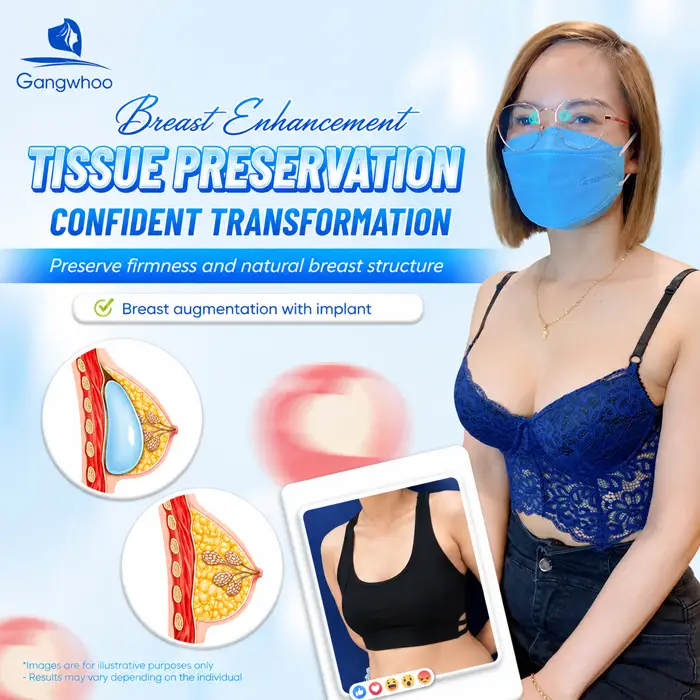
Breast Augmentation with Tissue Preservation is based on the principle of preserving important anatomical structures of the breast during implant pocket creation. Instead of wide-area dissection, the surgeon performs controlled tissue separation tailored to each patient’s anatomical characteristics, thereby reducing unnecessary impact on healthy tissues.
To perform this technique effectively, the surgeon requires in-depth knowledge of breast anatomy as well as extensive experience in aesthetic plastic surgery. In addition, advanced technologies such as 4K endoscopy and microsurgical instruments provide enhanced visualization of tissue layers, blood vessels, nerves, and supporting ligaments. This contributes to greater precision during pocket creation and implant placement.
When anatomical structures are appropriately preserved, the surgical procedure may help reduce bleeding, minimize the inflammatory response, and create favorable conditions for postoperative recovery. At the same time, maintaining the breast’s natural supporting structures contributes to a softer feel and a more harmonious breast contour after healing.
Anatomical Structures Prioritized for Preservation
During Breast Augmentation with Tissue Preservation, the surgeon places particular emphasis on protecting anatomical structures that are important for both breast function and appearance, including:
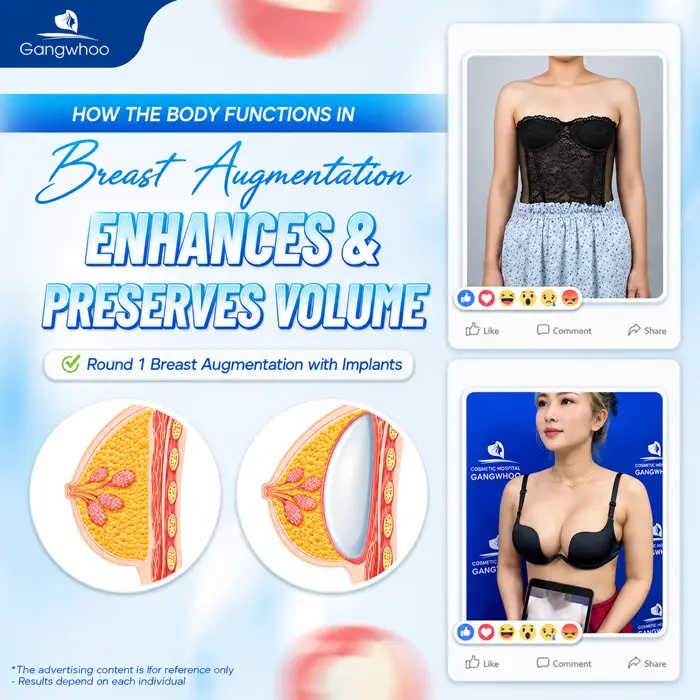
- Breast glandular tissue: Limiting unnecessary disruption to the glandular tissue may help reduce tissue trauma and support the healing process.
- Blood vessels: Preserving vascular circulation in the surgical area helps reduce the risk of bleeding and fluid accumulation while supporting tissue nourishment during recovery.
- Sensory nerve branches: Dissection performed along the correct anatomical planes helps reduce the likelihood of affecting sensation around the areola and nipple after surgery.
- Cooper’s ligaments: These connective tissue structures play an essential role in supporting the breast. When appropriately preserved, they contribute to maintaining breast shape and structural stability over time.
It is important to note that Breast Augmentation with Tissue Preservation is a surgical principle designed to reduce unnecessary impact on anatomical structures during breast augmentation. The outcome of the procedure still depends on several factors, including the condition of the breast tissues, appropriate surgical indications, the surgeon’s expertise, and each patient’s postoperative care.
Why Is Tissue Preservation Considered an Advancement in Breast Augmentation Surgery?
In clinical practice, I always emphasize that a modern breast augmentation procedure should achieve more than an aesthetically pleasing breast shape. It should also promote a smoother recovery process and support long-term postoperative stability. Tissue Preservation is highly regarded because it focuses on preserving the breast’s natural anatomical structures rather than concentrating solely on implant placement.
When the soft tissues, blood vessels, sensory nerves, and supporting structures are preserved whenever appropriate, the body may adapt more favorably to the surgical changes. This serves as an important foundation for a more comfortable postoperative experience while contributing to natural-looking aesthetic outcomes.
Reduced Surgical Trauma
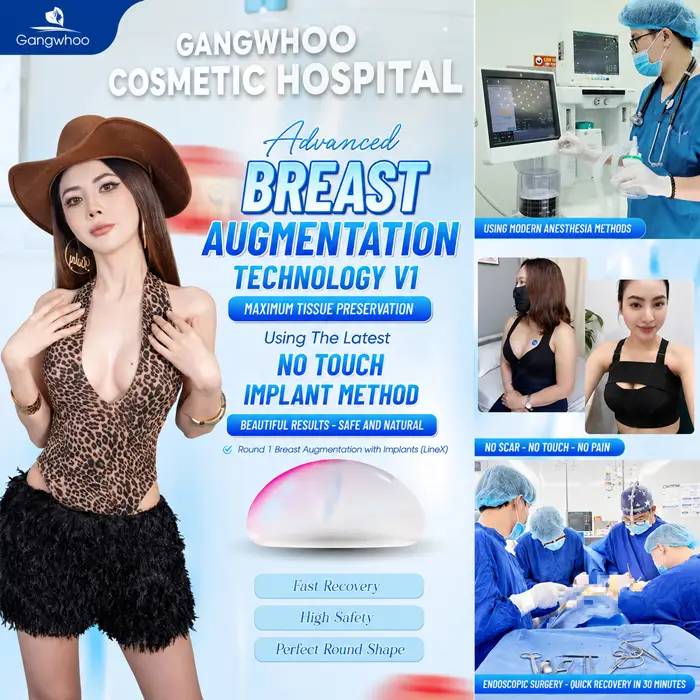
Unlike conventional breast augmentation techniques that often involve creating a relatively large implant pocket, Breast Augmentation with Tissue Preservation focuses on creating an implant pocket that closely matches the planned implant dimensions.
Restricting dissection to only the necessary area helps reduce trauma to healthy tissues while also decreasing postoperative bleeding and swelling. This approach may contribute to a milder inflammatory response during the early stages of recovery.
For patients, this generally translates into greater postoperative comfort and a more manageable recovery process.
Supporting a More Favorable Recovery Process
Recovery varies from one individual to another depending on personal healing capacity, surgical technique, and adherence to postoperative instructions. However, when healthy tissues experience less disruption, the body often requires less time to repair surgical changes.
In clinical practice, many patients are able to walk gently within a few hours after surgery, perform basic daily activities on the first postoperative day, and return to office-based work sooner if their recovery progresses as expected.
Nevertheless, strenuous exercise, heavy lifting, and activities involving significant chest muscle movement should only be resumed according to the surgeon’s recommendations to help maintain proper implant positioning.
Maintaining a Natural Breast Feel
The natural feel of the breasts depends not only on the quality of the implant but also on the condition of the surrounding soft tissues.
When the connective tissues and breast glandular tissues are appropriately preserved, the implant can integrate more harmoniously with the body’s natural anatomy. Over time, the breasts often become softer and move more naturally during daily activities.
This is one reason why many patients who undergo Tissue Preservation breast augmentation report that their breasts feel more natural to the touch after recovery.
Reducing the Impact on Breast Sensation
Sensation of the areola and nipple is controlled by a complex network of sensory nerves. During every breast augmentation procedure, these nerve branches require careful consideration.
Breast Augmentation with Tissue Preservation seeks to reduce unnecessary disruption to these neural pathways through precise anatomical dissection. This approach may contribute to preserving natural breast sensation following recovery.
However, it is important to understand that sensory recovery varies among individuals, and no surgical technique can guarantee identical outcomes in every case.
Helping Reduce the Risk of Capsular Contracture
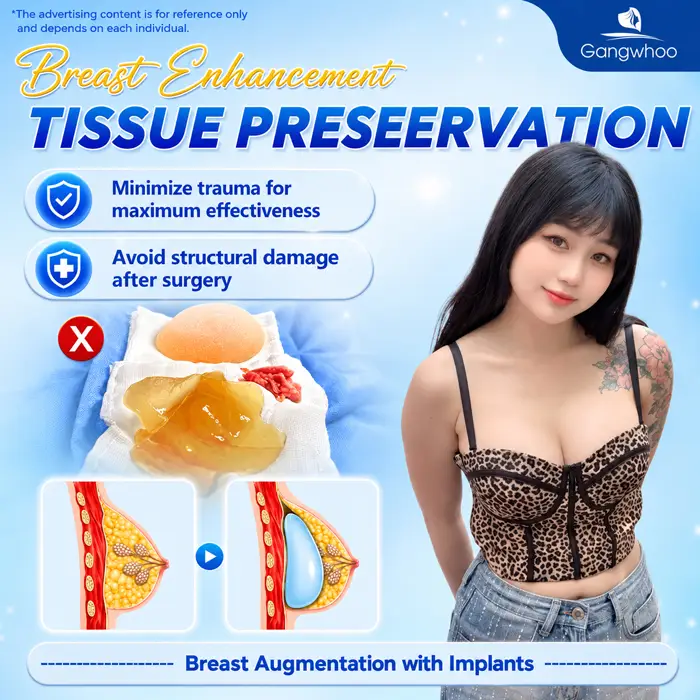
Capsular contracture is a potential complication following breast augmentation with implants, although its incidence has decreased significantly with advances in surgical techniques and implant technology.
Reducing bleeding, minimizing the inflammatory response, and preserving healthy soft tissues are considered factors that may help lower the likelihood of abnormal capsule formation around the breast implant.
Nevertheless, the development of capsular contracture is influenced by multiple factors, including individual biology, implant selection, sterile surgical technique, and postoperative care.
Supporting Long-Term Aesthetic Stability
A successful breast augmentation should not only provide balanced breast contours immediately after surgery but also support long-term shape retention.
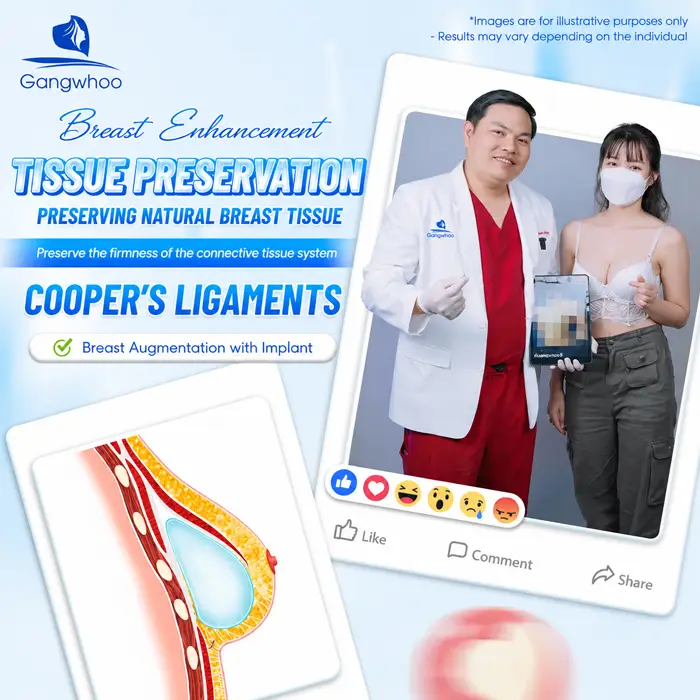
When natural supporting structures such as Cooper’s ligaments are appropriately preserved, the breast tissues continue to provide structural support for the implant. This contributes to maintaining breast stability and may reduce changes in breast shape associated with the gradual weakening of connective tissues over time.
It should be noted that natural aging, weight fluctuations, and pregnancy may still influence breast shape regardless of the surgical technique used.
Enhancing the Overall Postoperative Experience
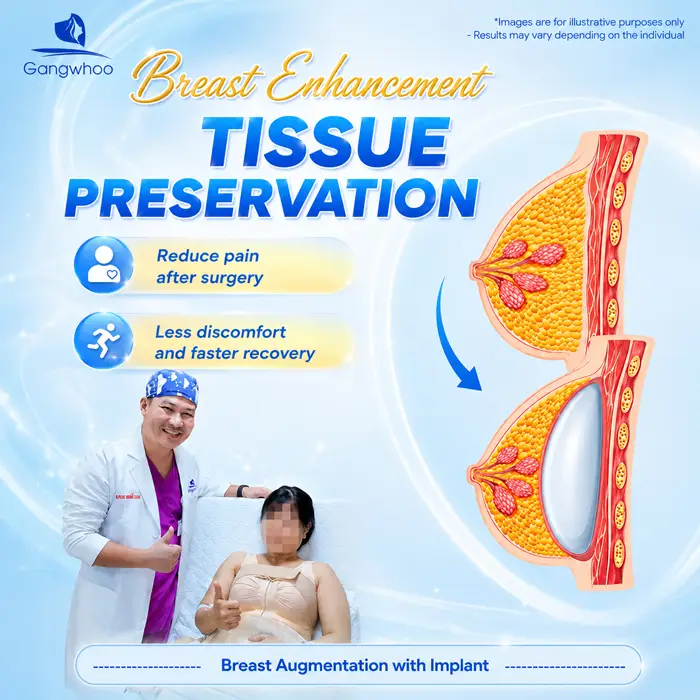
Today, many patients place increasing importance on their recovery experience after breast augmentation. Many hope to resume their daily routines as soon as their condition allows while still achieving satisfying aesthetic results.
By reducing unnecessary trauma to healthy soft tissues, Breast Augmentation with Tissue Preservation may provide a more comfortable recovery experience during the early postoperative period for many patients. This not only improves overall comfort but also facilitates postoperative care, follow-up evaluations, and scheduled clinical assessments.
In modern breast augmentation surgery, the objective is no longer limited to creating fuller breasts but also focuses on preserving the natural anatomical structures of the breast. This is one of the reasons why Breast Augmentation with Tissue Preservation has rapidly become an approach of interest among plastic surgery specialists worldwide. This technique focuses on minimizing tissue trauma during dissection while preserving the breast glandular tissue, blood vessels, sensory nerves, and supporting ligament system. As a result, it may contribute to a smoother recovery process while helping maintain soft, harmonious, and long-lasting aesthetic breast contours.
From a professional perspective, I believe that the success of a breast augmentation procedure should not be evaluated solely by postoperative breast size or shape. It should also prioritize patient safety, reduce the likelihood of complications, and preserve the physiological function of breast tissues whenever possible. For this reason, Tissue Preservation is considered a notable advancement in the evolution of minimally invasive breast augmentation techniques.
Is Breast Augmentation with Tissue Preservation Suitable for Everyone?
Although Breast Augmentation with Tissue Preservation offers many advantages, it is not a universal solution that can be applied in the same way to every patient.
In plastic and reconstructive surgery, no single technique is considered ideal for every body type or anatomical structure. The choice of the appropriate procedure should always be based on multiple factors, including soft tissue thickness, the quality of the breast glandular tissue, the degree of breast ptosis, chest wall anatomy, previous surgical history, and each patient’s aesthetic expectations.
In patients with extremely thin breast tissue, congenital breast deformities, severe breast ptosis, or a history of multiple breast surgeries, the surgeon may need to modify the treatment plan or combine additional surgical techniques to support long-term outcomes.
Therefore, a comprehensive preoperative consultation and evaluation are always essential. Rather than selecting a procedure based solely on current trends, patients should seek professional advice from their surgeon to determine the technique that best suits their anatomical characteristics and aesthetic goals.
How Does Tissue Preservation Differ from Conventional Breast Augmentation?
Many individuals considering breast augmentation often wonder whether Breast Augmentation with Tissue Preservation is truly different from conventional techniques that have been widely performed for many years. In reality, the primary distinction lies not in the breast implant itself, but in the surgical philosophy and the surgeon’s approach to each patient’s anatomy.
With conventional breast augmentation techniques, the primary objective is to create sufficient space for implant placement. In contrast, Breast Augmentation with Tissue Preservation focuses on creating an implant pocket precisely matched to the predetermined implant dimensions while minimizing unnecessary dissection of surrounding tissues. This approach helps reduce tissue trauma, preserve the breast’s natural supporting structures, and facilitate the postoperative healing process.
Another important difference is the integration of advanced surgical technologies. Rather than relying primarily on tactile feedback, Breast Augmentation with Tissue Preservation incorporates high-definition endoscopic visualization together with microsurgical instruments to clearly identify each anatomical layer. This enables the surgeon to perform more precise dissection while minimizing unnecessary disruption to surrounding blood vessels and nerves.
From an aesthetic perspective, both techniques are capable of producing fuller breasts when performed under appropriate indications. However, Tissue Preservation is intended to provide a more comfortable postoperative experience, reduce postoperative discomfort, support recovery, and contribute to maintaining a softer breast feel once healing is complete.
Who Is a Suitable Candidate for Tissue Preservation?
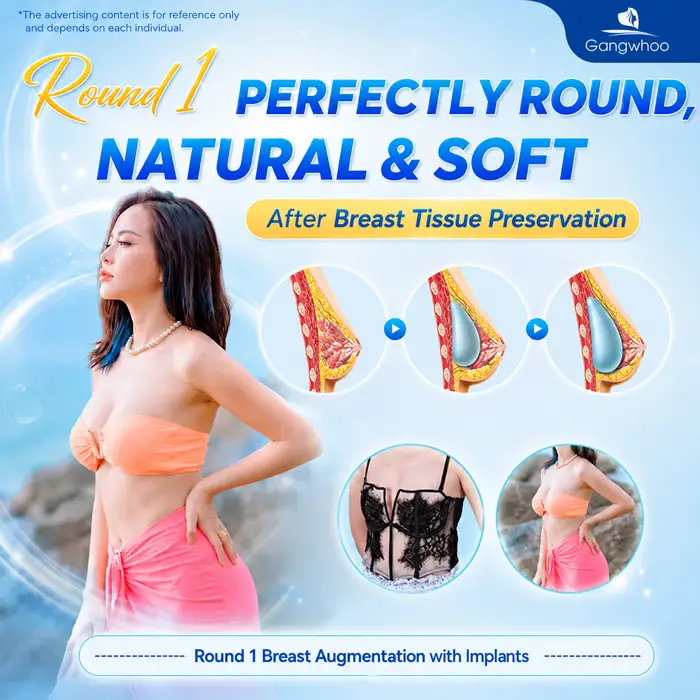
Because every individual has unique anatomical characteristics, the indication for breast augmentation should always be individualized following a comprehensive clinical evaluation. Based on clinical experience, Tissue Preservation is generally appropriate for individuals seeking breast enhancement while prioritizing a natural appearance and reduced surgical disruption.
This technique is commonly considered for women with naturally small breasts, postpartum breast volume loss, breast deflation following weight loss, or those with relatively healthy breast glandular tissue who wish to undergo implant-based breast augmentation with a favorable recovery process.
For individuals with demanding work schedules who wish to return to their daily activities sooner, or those concerned about postoperative discomfort, Breast Augmentation with Tissue Preservation may also be an appropriate option when clinical indications are met.
Conversely, patients with significant breast ptosis, complex chest wall deformities, extremely thin soft tissue, or a history of multiple breast surgeries require careful evaluation before treatment planning. In certain situations, combining Tissue Preservation with additional corrective procedures may provide more appropriate long-term results.
Standard Medical Procedure for Breast Augmentation with Tissue Preservation
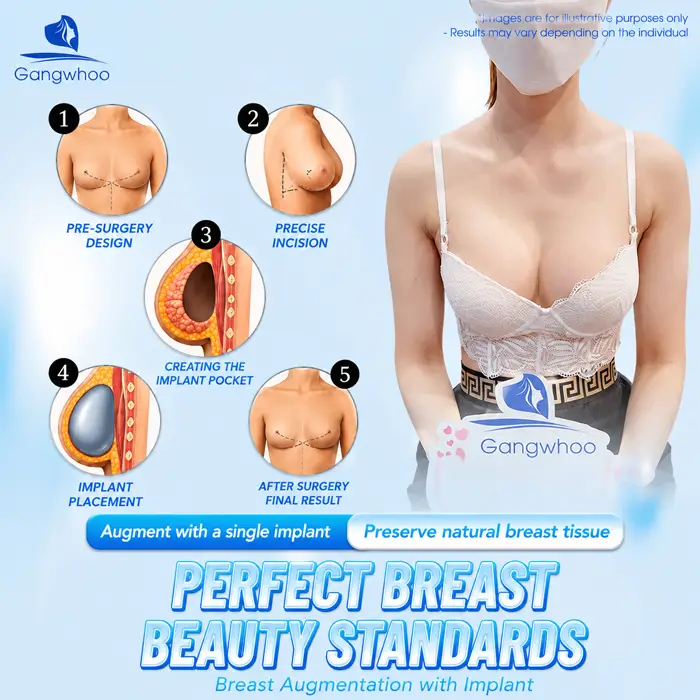
Every breast augmentation procedure should follow an individualized treatment plan rather than applying a standardized protocol to every patient. Personalizing the surgical plan allows the surgeon to select the most appropriate technique, implant type, and operative approach while optimizing aesthetic outcomes.
Consultation and Anatomical Assessment
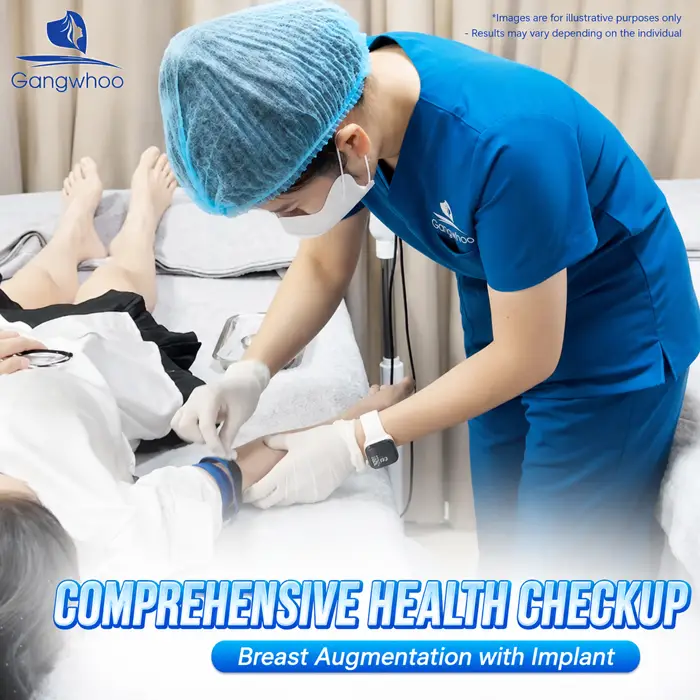
The surgeon performs a comprehensive examination of the breasts, including an assessment of skin elasticity, breast glandular tissue quality, the degree of breast ptosis, the distance between the breasts, and chest wall anatomy. These evaluations provide the foundation for determining whether Breast Augmentation with Tissue Preservation is appropriate or whether additional procedures should be considered.
Preoperative Health Evaluation
Patients undergo all necessary laboratory tests and medical examinations to evaluate their overall health, blood coagulation status, cardiovascular function, and respiratory function. Thorough preoperative screening helps reduce surgical risks and confirms that the patient is medically suitable for surgery.
Personalized Treatment Planning
Based on the clinical findings, the surgeon recommends the appropriate breast implant type, implant size, projection, implant placement plane, and incision site according to each patient’s body proportions. The objective is to create breasts that are balanced and harmonious with the patient’s overall physique rather than simply increasing breast size.
Surgical Procedure
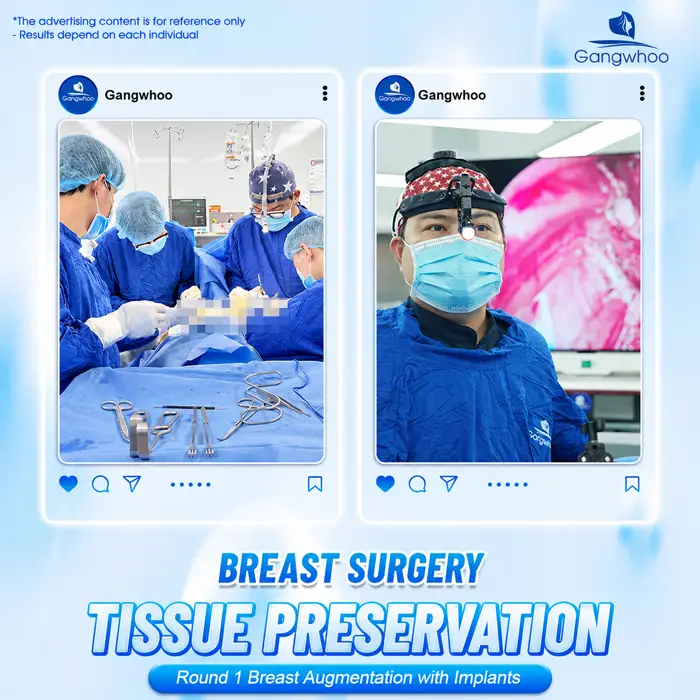
At Gangwhoo Cosmetic Hospital, every breast augmentation procedure is performed in a one-way sterile operating room under strict infection control protocols. The 4K endoscopic system provides magnified visualization of the surgical field, allowing the surgeon to clearly identify tissue layers, blood vessels, and nerves throughout the dissection process.
In addition, the use of the Harmonic Scalpel and Plasma technology supports precise tissue dissection, effective hemostasis, and reduced thermal spread to adjacent tissues. Certain stages of the operation are also assisted by a microsurgical robotic system to further improve surgical precision.
Throughout the procedure, the Carestation 620 anesthesia system continuously monitors the patient’s vital signs, enabling the anesthesia team to maintain patient safety from the induction of anesthesia until full recovery.
Postoperative Care
Following surgery, patients are closely monitored, receive detailed wound care instructions, are guided on the proper use of compression garments, and are provided with an individualized follow-up schedule. Depending on the patient’s recovery progress, the surgeon will advise when it is appropriate to return to work, resume physical activities, and begin exercise.
At Gangwhoo Cosmetic Hospital, postoperative care may also include hyperbaric oxygen therapy to support tissue healing, reduce postoperative swelling, and enhance the overall recovery process.
Why Do Many Patients Choose Breast Augmentation with Tissue Preservation at Gangwhoo Cosmetic Hospital?
Breast Augmentation with Tissue Preservation is a technique that requires the integration of surgical expertise, advanced technology, and standardized medical protocols. Therefore, the outcome of a breast augmentation procedure depends not only on the selected breast implant but also on the surgeon’s clinical experience, the available medical equipment, and the ability to personalize the treatment plan for each individual patient.
At Gangwhoo Cosmetic Hospital, every patient undergoes a comprehensive preoperative consultation and examination conducted directly by the surgeon. This evaluation includes a detailed assessment of chest wall anatomy, soft tissue thickness, breast glandular tissue quality, skin elasticity, and overall body proportions. Based on these findings, the surgeon develops an individualized treatment plan to determine the most appropriate implant type, implant size, implant position, and dissection technique, with the goal of achieving balanced, harmonious results that complement each patient’s body proportions rather than simply increasing breast volume.
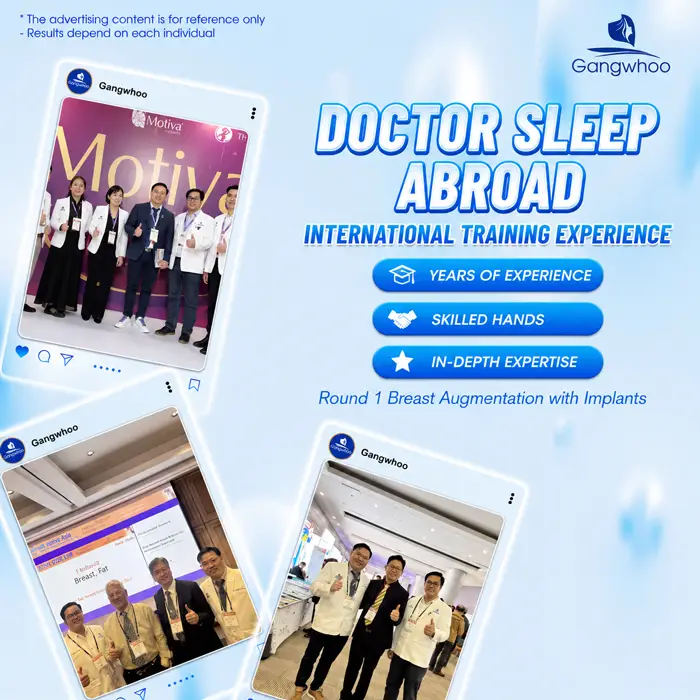
One of Gangwhoo Cosmetic Hospital’s strengths is its team of surgeons with many years of clinical experience in aesthetic plastic surgery. The medical team regularly participates in professional training courses, scientific conferences, and advanced surgical workshops in South Korea, the United States, Thailand, and other countries recognized for their expertise in aesthetic medicine. Continuous exposure to the latest surgical techniques enables the team to refine their skills and provide treatment solutions tailored to each patient’s individual needs.
During surgery, Gangwhoo Cosmetic Hospital utilizes a 4K endoscopic system, which provides highly magnified visualization of the surgical field and allows the surgeon to clearly identify blood vessels, nerves, and anatomical tissue layers. This contributes to greater surgical precision during dissection, helps reduce unnecessary soft tissue disruption, and supports preservation of the breast’s natural supporting structures.
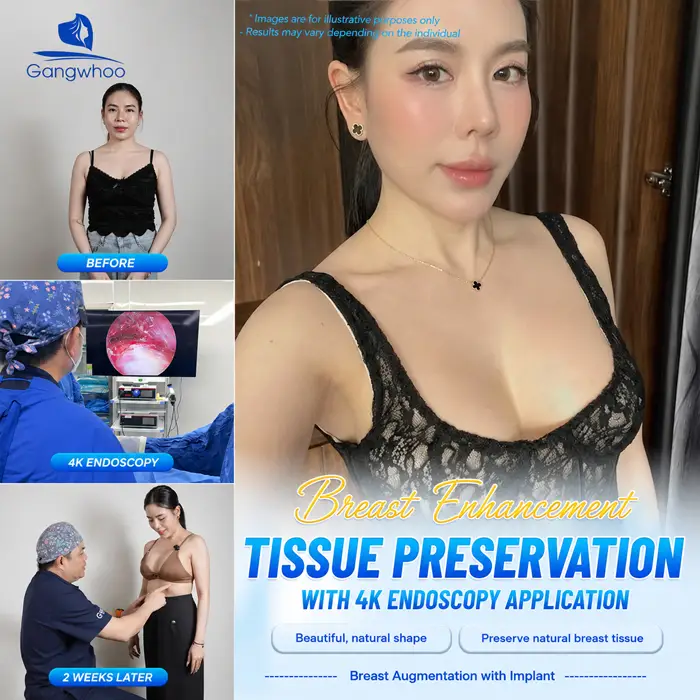
The hospital also incorporates microsurgical robotic assistance, the Harmonic Scalpel, and Plasma technology throughout the procedure. These technologies facilitate precise tissue dissection, effective hemostasis, and reduced thermal spread to surrounding tissues, thereby supporting postoperative recovery.
In addition to advanced surgical techniques, Gangwhoo Cosmetic Hospital is equipped with the GE Healthcare Carestation 620 anesthesia system, which continuously monitors the patient’s vital signs throughout the procedure. The anesthesia team works closely with the surgical team to ensure appropriate anesthesia management and maintain patient safety from induction through recovery.
Following breast augmentation surgery, patients continue to receive comprehensive postoperative care through a structured follow-up program. In addition to wound care instructions, dressing changes, and scheduled follow-up visits, Gangwhoo Cosmetic Hospital also incorporates hyperbaric oxygen therapy to support circulation, promote tissue healing, reduce postoperative swelling, and facilitate recovery.
Beyond its clinical expertise, Gangwhoo Cosmetic Hospital operates as a licensed cosmetic hospital, meeting professional standards for sterile operating rooms, infection control protocols, and patient safety. These standards provide an important foundation for performing breast augmentation procedures under standardized medical conditions while supporting safe and effective treatment outcomes.
Important Considerations After Breast Augmentation with Tissue Preservation
Although Breast Augmentation with Tissue Preservation is designed to reduce tissue trauma during surgery, aesthetic outcomes and postoperative recovery still depend greatly on proper postoperative care. Following the surgeon’s instructions not only supports the healing process but also helps the breasts stabilize according to the planned treatment.
Wear the Compression Garment as Directed
The postoperative compression garment helps support the breast implants during the early recovery period while reducing pressure on the surgical area and assisting in the control of postoperative swelling. Patients should wear the garment in the correct size and for the duration recommended by their surgeon. Removing the garment too early or using an inappropriate garment may affect implant stability.
Maintain an Appropriate Sleeping Position
Patients are advised to sleep on their back with the upper body slightly elevated during the first few days after surgery. This position may help reduce swelling and minimize direct pressure on the breasts. Unless otherwise instructed by the surgeon, sleeping on the side or stomach should be avoided to reduce the possibility of altering implant position.
Maintain a Balanced Diet
A healthy nutritional status supports the body’s natural healing process. Before and after breast augmentation, patients are encouraged to consume foods rich in protein, vitamin C, vitamin A, zinc, and other essential nutrients that contribute to tissue repair.
Patients should also maintain adequate daily hydration and avoid foods that may trigger allergic reactions if they have a known history of food allergies.
Follow Postoperative Care Instructions
After surgery, patients should take all prescribed medications as directed, attend scheduled follow-up appointments, and wear the compression garment for the recommended period. These measures contribute to implant stability, help reduce postoperative swelling, and support the recovery process.
During the first few weeks after surgery, strenuous activities involving the shoulders and arms should be limited. Heavy lifting and movements that excessively stretch the chest muscles should also be avoided.
Take Medications as Prescribed
All antibiotics, pain medications, and other prescribed medications should be taken exactly as directed by the surgeon. Patients should not discontinue, change, or add medications without consulting their treating physician.
Monitor for Unusual Signs
Although most patients recover uneventfully after surgery, it is important to closely monitor the healing process during the first few days. If symptoms such as progressively worsening pain, significant swelling, persistent wound drainage, fever, or sudden changes in breast shape occur, patients should contact their surgeon promptly for evaluation and appropriate management.
Early recognition and timely intervention may help reduce the risk of complications and support long-term aesthetic outcomes.
Attend Scheduled Follow-up Visits
Even when recovery progresses as expected, patients should attend all scheduled follow-up appointments. During these visits, the surgeon evaluates wound healing, implant position, breast stability, and provides additional recommendations regarding daily activities when necessary.
Regular follow-up not only helps detect potential concerns at an early stage but also contributes to maintaining stable and aesthetically pleasing breast augmentation results over time.
If you are considering Breast Augmentation with Tissue Preservation and would like to determine whether this technique is appropriate for your condition, visit Gangwhoo Cosmetic Hospital for a comprehensive consultation with a plastic surgeon. A thorough evaluation and personalized treatment plan can help identify the most suitable approach while supporting safe treatment and long-lasting aesthetic results.