
Abdominoplasty (tummy tuck) is an effective solution for individuals with sagging, stretched, or excess abdominal skin after childbirth or significant weight loss. During consultations, I’ve found that most patients share the same concern: how long it takes to recover from abdominoplasty and when they can return to normal daily activities. Understanding the recovery timeline not only helps patients prepare mentally but also contributes to a smoother post-operative course with fewer complications.
Below is a complete analysis based on my expertise and clinical experience.
How long does abdominoplasty take to recover? – Practical recovery timeline
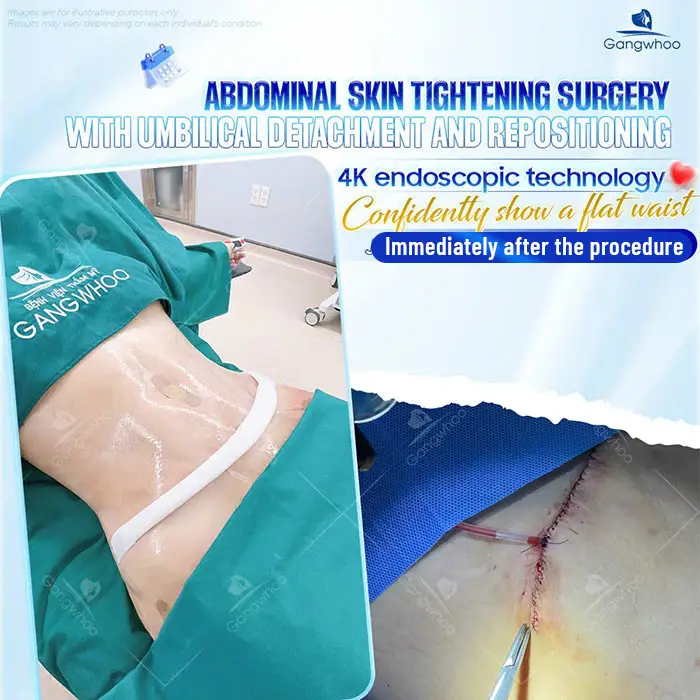
The recovery period for a tummy tuck typically spans from the initial three sensitive days to six–twelve months when the scar tissue fully stabilizes. During the first 72 hours, patients often experience tightness and limited mobility. By the first week, swelling and discomfort noticeably decrease. Around the third to fourth week, most patients can return to work, especially if it involves light duties. From the third to sixth month, the abdomen softens and contours appear more natural. By six to twelve months, the scar reaches its mature phase.
These timelines can vary depending on the individual, but most patients fall within the typical recovery range described above.
Factors that determine abdominoplasty recovery time
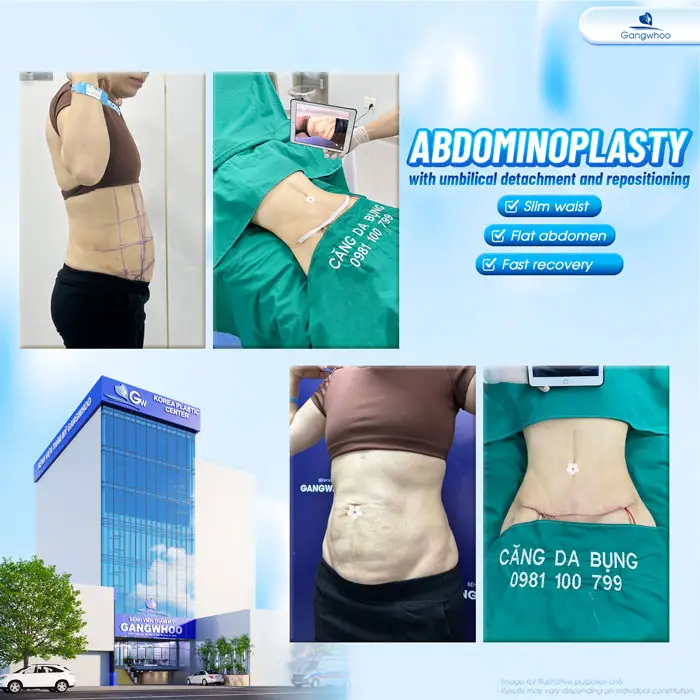
Each patient’s recovery differs due to several influencing factors. The surgical method plays a significant role: a full tummy tuck requires a longer recovery than a mini tummy tuck or endoscopic abdominoplasty. Patients with rectus diastasis (muscle separation) often need more time for tissue healing.
General health and body condition also play a key role. Younger patients, non-smokers, and those with healthy skin–fat tissues tend to recover faster. Conversely, smoking, uncontrolled glucose levels, obesity, or anemia can extend the healing period.
The surgeon’s expertise and adherence to medical standards significantly reduce tissue trauma, bleeding, and post-operative pain, thereby shortening recovery time.
Abdominoplasty recovery timeline by stages
During the first 24–72 hours, patients often feel tightness due to tissue repositioning. Maintaining a slightly bent posture helps relieve tension on the incision. Pain relievers, anti-inflammatory medications, and drain care are crucial during this stage.
By the first week, the body begins adjusting. Patients can walk lightly, eat normally, and experience a noticeable reduction in pain. By the second week, they typically feel more comfortable and can manage daily activities while wearing their compression garment consistently.
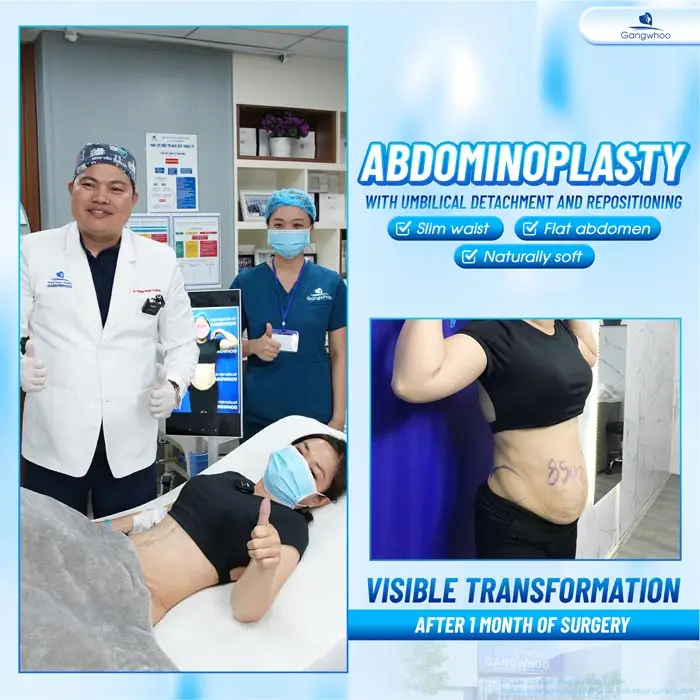
From the third to the fourth week, patients can return to office-based work if it doesn’t require strenuous activity. At this point, scar tissue is forming, and while the incision heals well, it’s still important to avoid bending or lifting heavy objects.
By weeks five to eight, recovery reaches around 70–80%. Light exercise may be permitted depending on the surgeon’s assessment.
From months three to six, the abdomen becomes softer, flatter, and more natural in contour. By months six to twelve, the scar matures, lightens in color, and aesthetic results reach their peak.
Complications that may prolong recovery
Although rare, seroma, infection, wound separation, or marginal skin necrosis may significantly extend the recovery period if not addressed promptly. Patients should contact their surgeon immediately if they notice redness, warmth, increased pain, fever, or unusual discharge.
Who recovers quickly after abdominoplasty?
Patients who maintain good health, do not smoke, have an appropriate BMI, and follow aftercare instructions diligently tend to recover faster. Choosing an experienced plastic surgeon also helps minimize tissue trauma and reduces overall downtime.
How to shorten abdominoplasty recovery time
Proper post-operative care greatly affects how long abdominoplasty takes to recover. In the first few days, maintaining a slightly bent posture reduces tension on the incision and supports tissue healing. Walking lightly 24–48 hours after surgery helps stimulate circulation, reduce swelling, and lower the risk of blood clots.
Incision care must be performed carefully, keeping the area dry and clean while changing dressings correctly. For patients with drains, monitoring drainage volume and reporting abnormalities early helps prevent seroma and infection—two common factors that prolong recovery.
Wearing a compression garment consistently during the first 4–6 weeks is essential. It supports tissue adhesion, reduces swelling, and shapes the abdomen. Wearing it incorrectly or inconsistently can negatively affect results.
Nutritionally, patients should increase protein intake, vitamin C, leafy greens, and adequate hydration. Smoking must be avoided completely, as nicotine reduces blood flow and delays wound healing.
Daily activities such as heavy lifting, bending sharply, or reaching overhead should be avoided for 6–8 weeks, even if discomfort has improved. This protects the incision and supports stable scar formation.
Finally, attending scheduled follow-ups is critical for monitoring healing progress, detecting early complications, and ensuring timely intervention. Patients who adhere fully to aftercare typically recover faster and achieve better aesthetic results.
When can you resume normal activities after abdominoplasty?
This depends on recovery progress and job requirements. Generally, patients may return to light work after three to four weeks. Jobs involving heavy lifting should be avoided for at least six to eight weeks. Walking is encouraged early, but abdominal-strengthening workouts must wait until the surgeon confirms adequate healing.
Abdominoplasty at Gangwhoo Aesthetic Hospital – Fast, safe, and superior recovery
At Gangwhoo Aesthetic Hospital, the entire abdominoplasty process is performed using advanced surgical technologies designed to enhance safety, precision, and recovery speed. As a surgeon directly performing and supervising these procedures, I prioritize clinically proven technologies that deliver significantly better outcomes compared to traditional techniques.
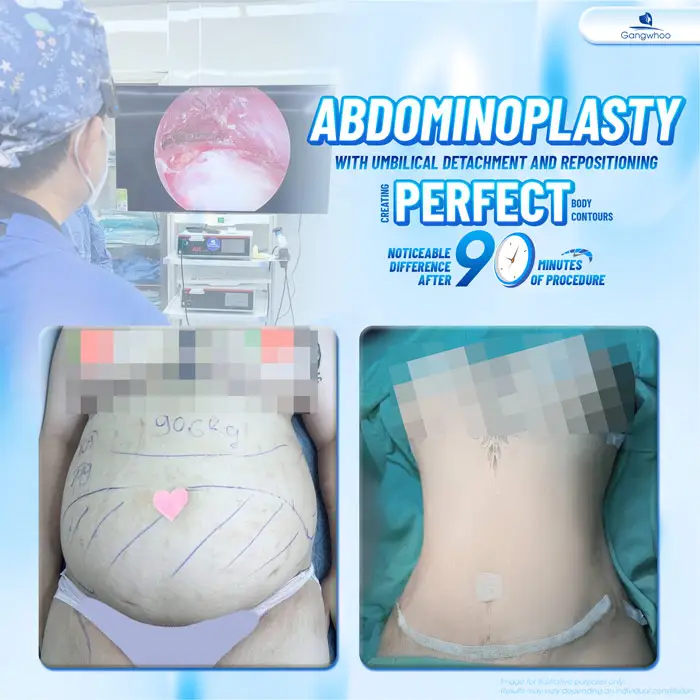
The Harmonic Scalpel is one of our primary tools. Its ultrasonic energy cuts and coagulates simultaneously, minimizing blood loss and tissue trauma. This results in significantly reduced swelling, bruising, and faster recovery for our patients.
The Plasma Scalpel assists in low-temperature tissue dissection, limiting deep burns and avoiding tissue carbonization. This ensures better wound healing and reduces the risk of poor scarring—especially beneficial for patients with thin or weakened skin after pregnancy or weight loss.
For cases requiring high precision, our 4K endoscopic system magnifies anatomical structures for enhanced visualization of blood vessels, ligaments, and soft-tissue layers. This reduces unnecessary trauma and accelerates healing.
Patients with rectus diastasis benefit from microsurgical repair, allowing anatomical reconstruction of the abdominal wall for better waist contour and less post-operative tightness.
To ensure absolute safety, every procedure is supported by the Carestation 620 anesthesia system, offering real-time monitoring of respiratory and cardiovascular parameters. Combined with SEVOrane anesthetic gas, patients experience smooth induction, stable anesthesia, and comfortable recovery.
The synergy between Harmonic, Plasma, 4K endoscopy, microsurgical techniques, and modern anesthesia ensures that abdominoplasty at Gangwhoo meets international safety standards while delivering reduced pain, less swelling, and superior aesthetic outcomes.
Understanding how long abdominoplasty takes to recover helps patients mentally prepare, plan their schedules, and take an active role in aftercare. Although recovery varies based on technique and individual factors, most patients experience stable improvements within weeks and visible contour refinement by the third month.
At Gangwhoo Hospital, every tummy tuck is performed using modern technology, precise surgical methods, and safe anesthesia protocols to help patients minimize pain, reduce swelling, and shorten downtime. With extensive experience in body contouring and rejuvenation, my team and I closely monitor every stage of recovery to ensure long-lasting, naturally smooth abdominal results.
If you are considering abdominoplasty and want a detailed assessment from a highly qualified plastic surgery team, Gangwhoo Aesthetic Hospital is always ready to support, advise, and provide the safest, most optimal solution for your body transformation journey.