
“How long should I avoid eating beef after eyelid surgery?” is a question I receive almost every day at Gangwhoo Aesthetic Hospital, especially from clients who are about to enter the recovery phase after their eyelid procedure. Although double eyelid surgery is only a minimally invasive technique, the healing process is directly influenced by your diet—among which beef is a food that can affect the pigmentation and the structure of regenerating tissue.
That is why understanding why you should avoid beef and for how long is very important to help maintain the aesthetic outcome of your eyelid crease. As a specialist at Gangwhoo, I will explain the medical basis behind this recommendation so customers can feel more confident during postoperative care.
Why Are So Many People Concerned About Avoiding Beef After Eyelid Surgery?
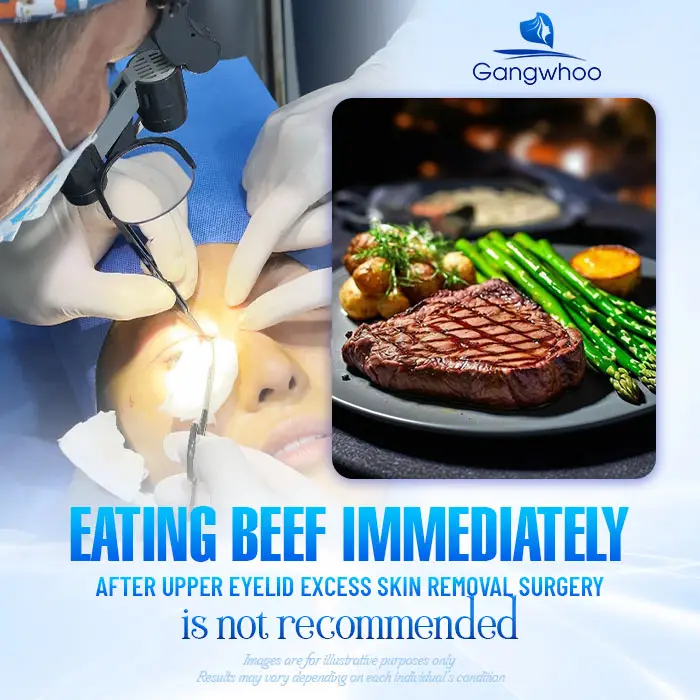
When undergoing double eyelid surgery, even though the incision is small and healing is faster than in other cosmetic procedures, the eyelid area is still the thinnest and most sensitive part of the face. The tissue here is easily affected by nutrition and daily habits. Beef is a common food, so having to avoid it often makes people worried. Many fear that eating beef too soon may cause the incision to darken, leave a raised scar, or affect the natural appearance of the eyelid crease.
Some have previously experienced darkening of wounds on other parts of the body after eating beef, so they wonder whether the eyelids could be affected the same way. This is why the question “how long to avoid beef after eyelid surgery” has become increasingly common, especially among those preparing for the recovery stage.
How Long Should You Avoid Beef After Eyelid Surgery? – Recommended Duration
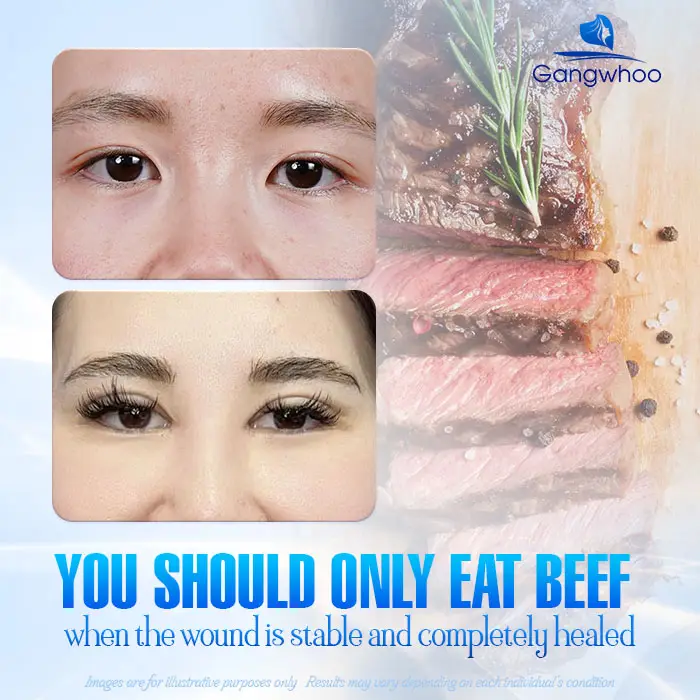
From a medical perspective and based on my experience monitoring thousands of postoperative cases, the recommended period to avoid beef is 4 to 6 weeks. During this time, new tissue formation is occurring rapidly. The wound is starting to stabilize but is still highly sensitive to foods rich in protein and iron. These substances can cause the freshly operated eyelid to become darker than the surrounding skin, especially when pigmentation has not yet stabilized.
For clients who are prone to hyperpigmentation or hypertrophic scarring, the avoidance period should be extended to 6–8 weeks for optimal safety and aesthetic outcomes. Many people mistakenly believe that once the swelling subsides, they can resume a normal diet; however, tissue remodeling under the skin continues for several weeks and remains highly reactive to dietary factors.
Although each person heals at a different rate, following these guidelines will help ensure the eyelid crease becomes smooth, evenly colored, and free of pigment-related complications.
Why Should You Avoid Beef After Eyelid Surgery?
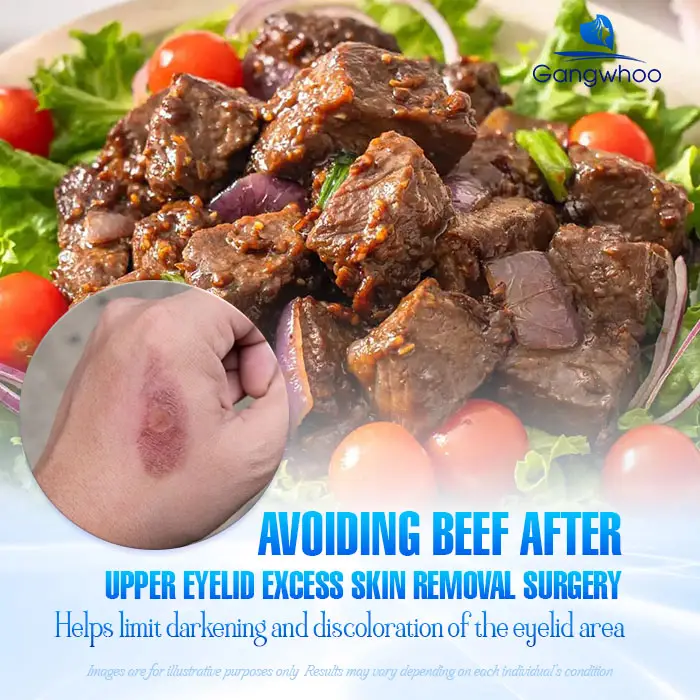
During the postoperative healing process, the eyelid undergoes intense tissue regeneration, especially epithelial cell proliferation and remodeling of the underlying connective tissue. Eating beef at this time can negatively affect physiological wound healing.
Beef contains a high level of heme iron—an easily absorbed form of iron that can stimulate melanin production in inflamed or healing skin. When the incision is still fresh, increased melanocyte activity may cause the eyelid to darken and become uneven compared to surrounding skin. This effect is especially noticeable in individuals with fair skin or a history of post-inflammatory hyperpigmentation.
Beyond pigmentation, red meat—such as beef—tends to promote systemic inflammation due to its high content of myosin proteins and amino acids that participate in inflammatory responses. Excessive or prolonged inflammation in the eyelid can slow down the reduction of swelling, increase interstitial fluid, and prolong congestion—all of which delay healing.
Some individuals with a fibroproliferative tendency may even develop excess collagen type III at the incision site if they consume beef too early, potentially leading to thick or raised scars, making the eyelid crease appear unnatural.
While these reactions are not dangerous to your health, they can significantly impact the cosmetic outcome.
What If You Accidentally Ate Beef After Eyelid Surgery?
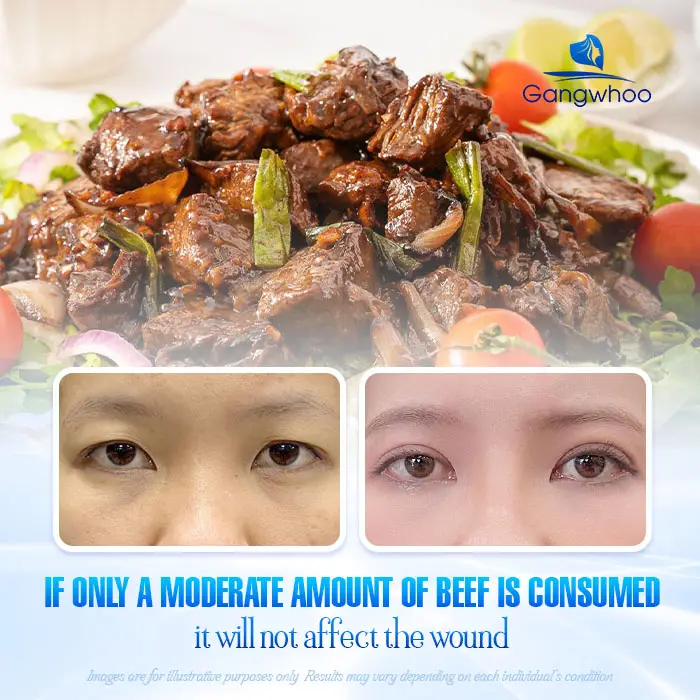
Many clients panic after eating beef by accident, fearing it will ruin their surgical results. In reality, if you consumed only a small amount, the risk is low. However, if this happens within the first week or you consume a large quantity while the incision is still fresh, the likelihood of darkening or pigment changes increases noticeably.
If this occurs, monitor your eyelid closely. If it becomes darker over the next few days, visit the clinic for evaluation. In most cases, we can support recovery using pigment-lightening products or appropriate care measures to help the eyelid return to normal over time.
Although it is not extremely dangerous, proper dietary restrictions play a crucial role in ensuring optimal healing.
Besides Beef, What Foods Should Be Avoided After Eyelid Surgery?
During tissue regeneration, the body is particularly sensitive to foods that trigger inflammation or promote excessive scar formation:
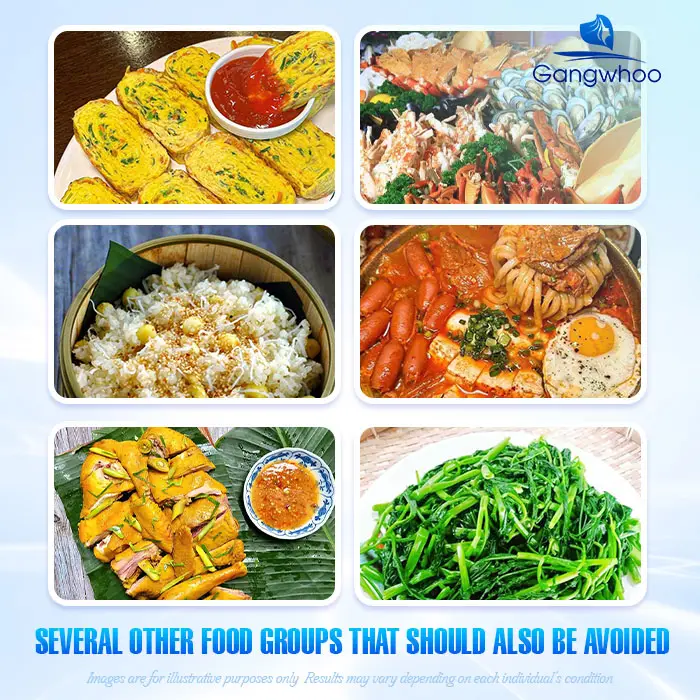
- Water spinach (rau muống): may cause raised scars.
- Glutinous foods: may increase heat and promote pus formation.
- Seafood and some poultry: may cause itching and trigger eye rubbing.
- Spicy, greasy foods, alcohol: increase body heat and blood flow, prolonging swelling.
Avoiding these foods helps ensure smooth healing and minimizes the risk of dark scars or raised eyelid creases.
What Should You Eat After Eyelid Surgery to Heal Faster?
Instead of focusing only on what to avoid, it is better to eat foods that support healing:
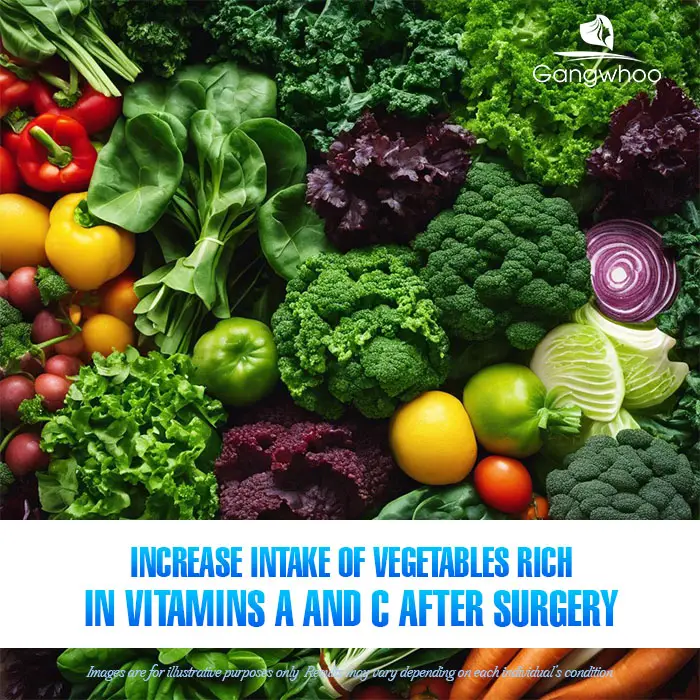
- Vitamin A–rich vegetables: carrots, pumpkin, leafy greens.
- Vitamin C–rich fruits: oranges, kiwis, pineapples.
- Zinc-rich foods: nuts and whole grains.
During the first 7 days, prioritize soft foods to reduce facial muscle movement. Chewing hard foods can indirectly apply tension to the eyelids, slowing healing.
A light, vitamin-rich diet will help the recovery process be quicker and more comfortable.
Postoperative Care Beyond Diet – Crucial for Eyelid Surgery Results
Patients should not only focus on dietary restrictions but also on daily habits:
- Cold compress during the first 48 hours to reduce swelling.
- Warm compress from day 4 to reduce bruising.
- Keep the eyelid clean and dry; avoid water early on.
- Avoid makeup and contact lenses.
- Do not rub your eyes, sleep face-down, or exercise vigorously.
- Sleep with your head elevated and follow prescribed medications.
- Attend follow-up appointments for proper healing assessment.
At Gangwhoo Aesthetic Hospital, we closely monitor every postoperative case and personalize care plans to ensure the safest and best results for our clients.